





Why Eat Seasonally?
Before diving into what to buy and when, it’s worth understanding why seasonal eating matters so much. First, flavour and nutrition are at their peak. Produce that is naturally ripened and picked at the right time is simply tastier and packed with more
vitamins and antioxidants. Second, it’s often cheaper. When fruits and vegetables are in season, they are abundant, which drives prices down at local markets. This also means you are supporting local farmers and reducing the environmental impact that comes from long-distance transportation and cold storage. Aligning your diet with nature’s clock is a traditional wisdom that modern science continues to validate, promoting better gut health through dietary diversity.
India's Main Produce Seasons
India's vast and diverse geography means there isn't one single calendar for the whole country. However, we can broadly think in terms of three main agricultural seasons that influence what you'll find at your local sabzi mandi. The summer (Zaid) season runs from March to June, the monsoon (Kharif) from July to September, and winter (Rabi) from October to February. While some produce like bananas and papayas are available year-round, most fruits and vegetables have a distinct peak season that can vary slightly by region.
Summer's Bounty (March - June)
Summer is a time for cooling, hydrating produce. This is the season when the undisputed king of fruits, the mango, reigns supreme, with varieties like Alphonso and Kesar making their much-awaited appearance. You'll also find an abundance of watermelons, muskmelons, and litchis, perfect for beating the heat. On the vegetable front, look for hydrating cucumbers, various gourds like bottle gourd (lauki) and ridge gourd (turai), and the ever-popular okra (bhindi). These are light, easy to digest, and rich in water content to help you stay refreshed.
Monsoon Harvest (July - September)
The monsoon brings a different kind of abundance. This is the prime time for delicious corn on the cob (bhutta), a quintessential rainy-day snack. The markets are also filled with fruits like jamun, plums, and cherries. Vegetables that thrive in this season include bitter gourd (karela), snake gourd, and taro (arbi). In many regions, this is also a time for unique, foraged greens and wild mushrooms like the prized Rugda from Jharkhand, which make a brief but celebrated appearance. Paying attention during these months can introduce you to incredible local specialities.
Winter's Crisp Offerings (October - February)
Winter is a season for hearty, nutrient-dense produce. The air gets crisp, and the markets fill with a stunning variety of leafy greens like spinach (palak), fenugreek (methi), and mustard greens (sarson), forming the base for iconic dishes like sarson da saag. This is also the peak season for root vegetables like carrots, beets, and radishes, which are sweeter and crunchier in the cold weather. Fruits like oranges, guava, pomegranates, and strawberries are at their juicy best, providing a much-needed dose of Vitamin C to boost immunity.
How to Create Your Own Calendar
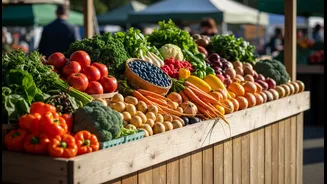
The best way to create a truly regional produce calendar is to become an observer. The next time you visit your local market or vegetable vendor, take note of what is piled high and priced low—that’s a clear sign of what’s in season. Talk to the vendors; they are a wealth of knowledge about local and seasonal availability. Start a simple notebook or a note on your phone. Divide it by month and jot down what you see each time you shop. After a few months, you'll start noticing patterns. This simple habit will not only make you a smarter shopper but also connect you more deeply with the food you eat and the natural cycles of your specific region.