




The Siren Song of a Samosa
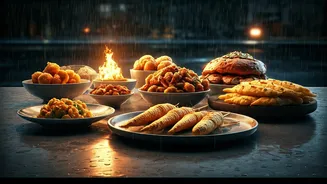
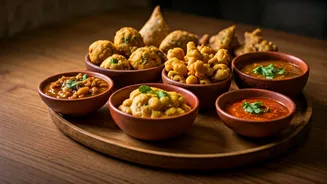
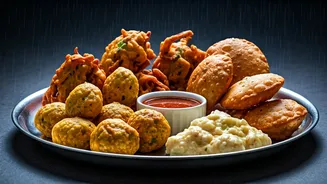
There is a near-Pavlovian response to the sound of rain in India. Dark clouds gather, the temperature drops, and an almost universal craving for fried food awakens. Whether it's the humble street-side samosa, a plate of assorted pakoras, or a crispy vada
pav, the allure is undeniable. This isn't just a cultural habit; there's a science to it. The gloomy weather and lack of sunlight can cause a dip in serotonin, our natural mood-booster. Our bodies then crave carbohydrates and fatty foods, which can provide a temporary lift. The crunchy texture provides a satisfying contrast to the damp, sluggish feeling of a humid day, creating a sense of comfort and nostalgia that is deeply ingrained in our collective memory.
When Texture Turns Traitor
The very thing we crave—crispiness—is the hardest to achieve and maintain during the monsoon. High humidity is the enemy of a good crunch. Moisture in the air is quickly absorbed by fried foods, turning that delightful snap into a disappointing sogginess within minutes. For restaurants and street vendors, it's a constant battle against the elements. But the issue with texture goes beyond simple disappointment. The desire for fried food often leads us to choices that are heavy and hard to digest, which is particularly challenging during a season when our digestive systems are naturally weaker, according to Ayurvedic principles. This is where the headline's wisdom comes into play: focusing solely on texture can be a trap.
The Monsoon's Trust Deficit
Here’s the unavoidable truth of the season: the monsoon is also prime time for health risks. The high humidity and waterlogging create a perfect breeding ground for bacteria like E. coli and Salmonella. Water sources can become contaminated, making anything prepared with unboiled or unfiltered water a potential hazard—a major concern for popular street foods like pani puri or chutneys. Food spoils faster, and the open-air nature of many beloved food stalls exposes them to flies and environmental contaminants. This is the trust deficit. Every time we choose to eat out, especially from a street vendor, we are making a calculation. Is the pleasure of this snack worth the risk? This is why, more than any other time of year, trust becomes the most valuable ingredient on any menu.
What a Trustworthy Menu Looks Like
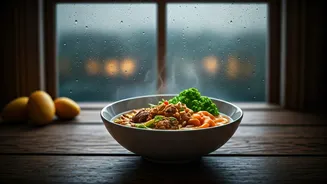
If texture is fleeting, trust is built. So what does a trustworthy monsoon menu look like? It often leans into seasonal wisdom. Instead of fighting the humidity with fried foods, it embraces what the season provides. This means focusing on light, warm, and easily digestible meals. Think steaming hot soups like rasam, which is packed with immunity-boosting spices like black pepper and turmeric. Menus might feature seasonal vegetables known to be robust during this time, like gourds and pumpkins, often in cooked forms like stews and light curries. Ayurveda suggests favouring cooked foods over raw salads during this time to aid digestion. A trustworthy menu often highlights ingredients like ginger, garlic, and tulsi, all celebrated for their antiviral and antibacterial properties. Many restaurants are now creating special monsoon menus that celebrate these principles, offering everything from comforting ramen bowls to dim sum and tea pairings.
Beyond the Plate: Building Diner Confidence
Building trust isn't just about the food itself; it's about the entire dining experience. A clean, dry establishment that visibly prioritizes hygiene offers immediate reassurance. Smart restaurants understand this and use it as a marketing tool, highlighting their use of filtered water, fresh ingredients, and clean cooking environments. Some go further, creating themed menus and events that turn the restaurant into a cozy sanctuary from the rain. By acknowledging the specific challenges and desires of the season—the need for comfort, warmth, and, above all, safety—these establishments don't just sell food; they sell peace of mind. They understand that when it pours, customers aren't just looking for a meal; they're looking for a refuge they can trust.