








The Renter’s Monsoon Dilemma
Living in a rental property during the monsoon presents a unique set of challenges. Unlike homeowners, renters can't undertake major structural repairs like professional waterproofing of external walls or roofs. You are often at the mercy of a landlord’s
willingness to invest in preventative maintenance. This leaves you to deal with the consequences of humidity, which in India can regularly exceed 80-90% from June to September. The primary threats are dampness seeping through walls, the swelling of wooden furniture, the rapid growth of mould and mildew, and a pervasive musty odour that clings to everything. These issues aren't just about aesthetics; they can pose health risks and damage personal belongings, from clothes to important documents. For a renter, the goal is twofold: maintain a healthy, comfortable living space and ensure the property is returned in good condition to avoid disputes over the security deposit.
Battling Damp Walls and Peeling Paint
Damp patches and peeling paint are the most visible signs of monsoon havoc. While you can't fix underlying seepage issues, you can manage the indoor environment. The first line of defence is ventilation. Whenever it’s not raining, open windows to allow cross-ventilation, as this helps reduce indoor humidity. Using exhaust fans in the kitchen and bathroom is also crucial to expel moist air. For persistent dampness, consider using moisture absorbers. Small bowls of rock salt, baking soda, or activated charcoal placed in corners can effectively soak up excess moisture. Silica gel packets, often found in new shoe boxes, are excellent for enclosed spaces like cabinets. If walls are particularly unsightly, a temporary, renter-friendly solution is to apply waterproof peel-and-stick wallpaper, which can be removed without damaging the paint underneath.
Protecting Your Wooden Furniture
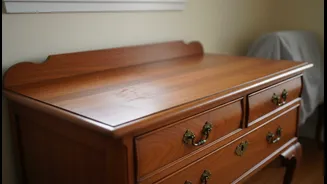
Wood is especially vulnerable to high humidity, causing it to swell, warp, and become a breeding ground for fungus. A simple yet effective strategy is to create space. Move all wooden furniture, like beds and cupboards, at least a few inches away from the walls. This allows air to circulate behind them, preventing moisture from getting trapped between the furniture and a damp wall. Regularly wipe down wooden surfaces with a dry cloth; avoid using wet cloths which add to the problem. Placing naphthalene balls or camphor inside wardrobes and cabinets not only helps absorb moisture but also repels pests that thrive in damp conditions. Before the monsoon sets in, applying a coat of varnish or wax can provide an extra protective layer for your cherished pieces.
Winning the War on Mould and Mildew
Mould and mildew are more than just ugly spots; their spores can trigger allergies and respiratory issues. Prevention is key. These fungi thrive in damp, stagnant air, so air circulation is your greatest weapon. At the first sign of mould, you can treat it with a simple, non-toxic solution. A spray bottle filled with a 1:1 mixture of white vinegar and water is highly effective at killing mould spores. Spray the affected area, let it sit, and then wipe it clean. Regularly inspect hidden corners, behind furniture, and inside closets, as these are common hotspots. Ensure clothes are completely dry before storing them, and avoid leaving damp towels lying around. Keeping closets and storage areas ventilated, perhaps by leaving doors slightly ajar, can also make a huge difference.
Smart Choices for Fabrics and Furnishings
The fabrics in your home can either fight humidity or become its victim. Heavy materials like velvet and wool absorb and retain moisture, leading to musty smells and fungal growth. During the monsoon, it’s wise to switch to lighter, breathable fabrics. Cotton and linen are excellent choices for curtains, bedsheets, and sofa covers as they don’t trap moisture and dry quickly. This is also the perfect time to roll up and store away any expensive carpets or thick rugs. They can easily trap dampness from the floor and become breeding grounds for germs. Instead, opt for practical, all-weather options like bamboo or coir mats, which are resistant to moisture and easy to clean.