






What is the 'Direct to Cell' Plan?
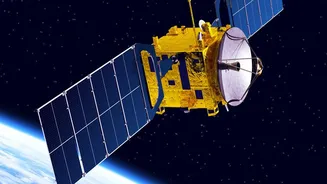
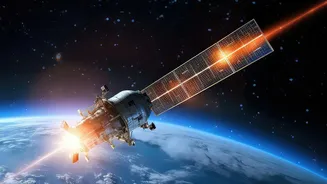
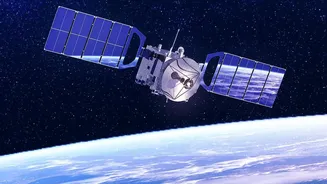
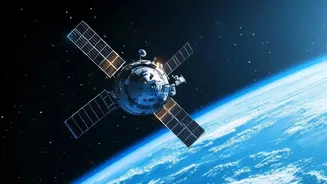
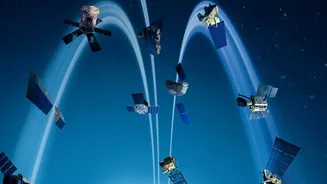
At its core, the plan involves using Starlink satellites that act as floating cell towers in space. This service, called 'Direct to Cell', is designed to work with existing 4G LTE smartphones without any hardware modifications. Instead of your phone connecting
to a nearby terrestrial tower, it would connect directly to a satellite orbiting hundreds of kilometers above Earth. The goal is to provide service for texting, voice calls, and data in areas where traditional mobile coverage is weak or non-existent. In India, this ambition has led SpaceX to seek partnerships and regulatory approvals to bring this technology to one of the world's largest internet markets. While Starlink has secured a key license, its commercial launch is still pending final security clearances and spectrum allocation from the Indian government.
The Crucial Role of Spectrum
For this plan to work effectively, especially indoors, Starlink needs access to the right kind of radio frequencies, known as spectrum. Recently, SpaceX made a significant move in the US by agreeing to acquire low-band 800 MHz spectrum. This type of spectrum is highly valuable because its physical properties allow signals to travel farther and, most importantly, penetrate obstacles like concrete walls and foliage much more effectively than high-frequency signals. By combining this low-band spectrum for building penetration with its existing mid-band spectrum for high-speed data, Starlink aims to create a hybrid network capable of delivering reliable mobile service virtually everywhere. This strategy addresses a major historical weakness of satellite-based communication: poor indoor reception.
Forging Alliances in India
Recognising the complexities of the Indian market, Starlink has shifted its strategy from going it alone to building partnerships. In a significant turnaround from previous opposition, both Reliance Jio and Bharti Airtel signed deals with SpaceX in March 2025 to explore distributing and integrating Starlink's services. These agreements could involve selling Starlink hardware in their retail stores and using the satellite network to complement their own terrestrial services, particularly in hard-to-reach rural areas. These alliances are seen as a crucial step to accelerate regulatory approvals and navigate a market where both telecom giants are also investing in their own satellite communication ventures.
The Challenge for Existing Mobile Networks
The prospect of Starlink becoming a direct mobile provider has sent ripples through the telecom industry. In the US, news of its spectrum acquisition caused the stock prices of major carriers to tumble. While some industry executives view satellite-to-phone technology as a complementary service for filling in the last few percentage points of coverage, others see a more disruptive future. Elon Musk has stated the goal is for Starlink Mobile to become a major competitor by offering unrivaled coverage. For consumers in India, this could eventually mean a powerful new option for connectivity, potentially forcing existing operators to compete more aggressively on both price and network reach, especially in underserved regions.
What Are the Hurdles Ahead?
Despite the ambitious vision, the path forward has obstacles. In India, the primary hurdle remains regulatory. Starlink's launch is contingent on final security clearances from the government, which has raised concerns about data sovereignty and the level of control it would have over a foreign-owned network during a national crisis. The government requires that all Indian user traffic passes through gateways located within the country, a complex compliance issue for Starlink's global network architecture. Beyond regulation, there's the physics. While the new low-band spectrum is intended to solve indoor coverage, the real-world performance of a satellite signal competing with a dense urban environment of terrestrial towers is yet to be proven at scale.