






It's the classic Indian travel dilemma. Do you embrace the romance of the rails, with its rhythmic chugging and chai-wallahs, or the freewheeling adventure of the open road? Both offer a unique way to see the country. Let's break it down.
The Romance of the Rails
There is a certain
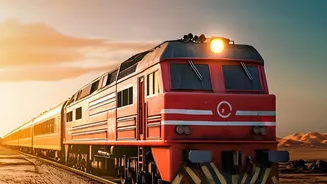
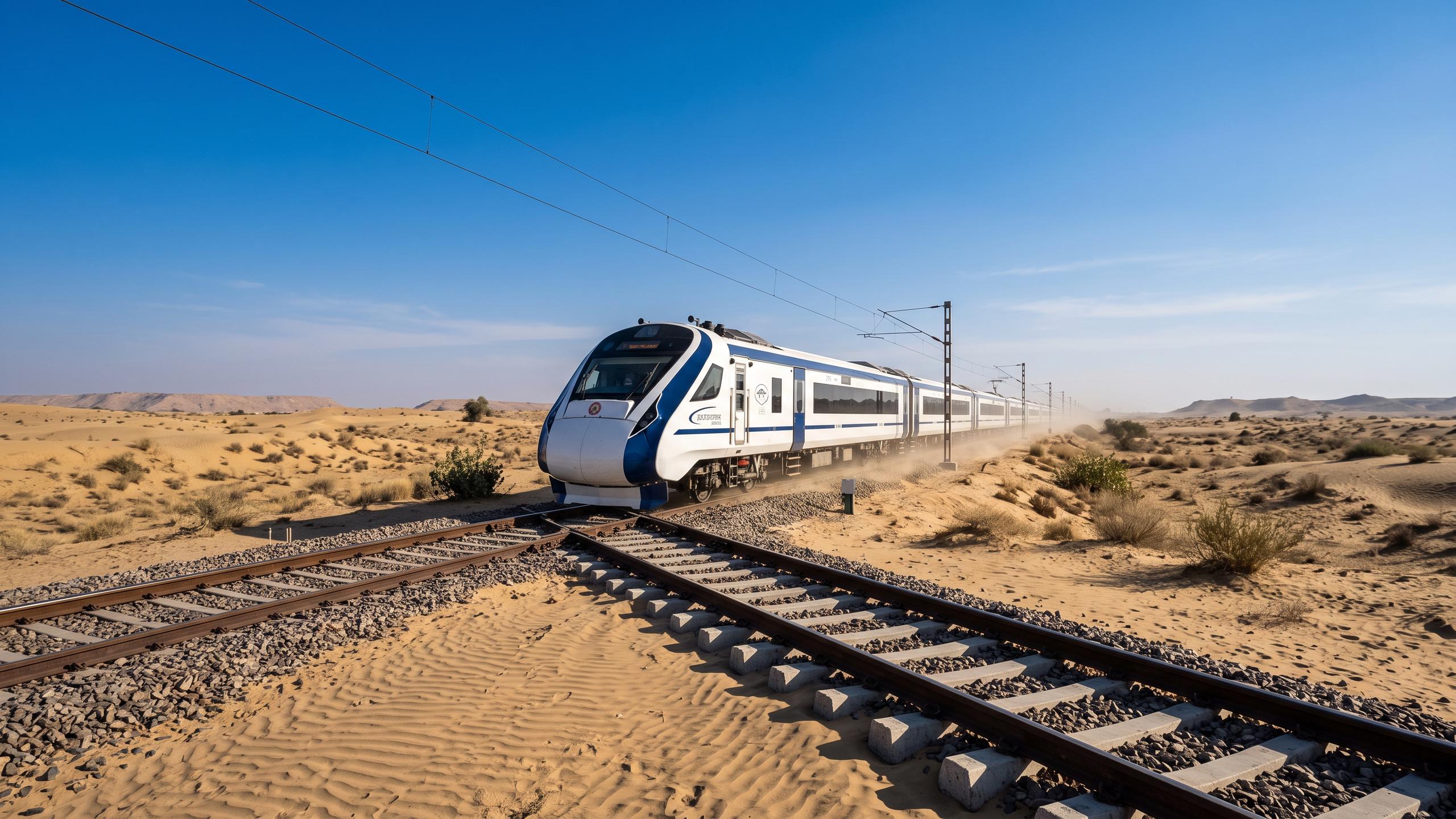
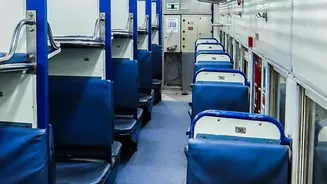
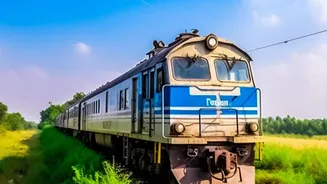
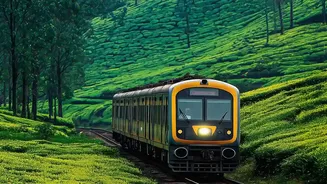
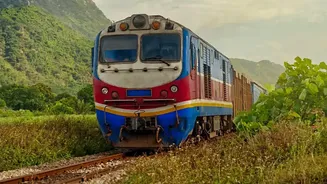
magic to an Indian train journey that is hard to replicate. It's a theatre on wheels, a cross-section of society rolling through ever-changing landscapes. For many, the journey itself is the destination. You can sink into your seat with a book, watch the countryside glide by, and engage in conversations with fellow passengers from all walks of life. The experience is communal and immersive; you are part of the pulse of the nation. On long-distance overnight journeys, trains are particularly efficient, saving you the cost of a hotel for a night. Modern trains like the Vande Bharat Express are also changing the game, offering faster, smoother, and more comfortable experiences with amenities that rival air travel, such as cleaner coaches, automatic doors, and better seating.
The Freedom of the Road
A road trip offers one thing a train never can: complete and utter freedom. You travel on your own schedule, not the railway's. See a tempting dhaba by the roadside? Pull over for a meal. Spot a hidden temple or a scenic viewpoint? It's yours to explore. This flexibility is invaluable, especially in regions like Rajasthan or the Western Ghats, where the most interesting sights often lie between the major cities. A car offers door-to-door convenience, eliminating the need to haul luggage through crowded stations or haggle with autos at your destination. For families with children, or those carrying a lot of luggage, this private, controlled space can be a significant stress-reducer.
The Great Cost Debate
On a per-person basis, train travel is almost always the more budget-friendly option, especially for long distances. An AC 2-Tier or 3-Tier ticket can be significantly cheaper than the cost of fuel, tolls, and potential driver fees for a car journey of the same length. However, the value proposition of a car becomes more appealing when you travel as a group or family. Splitting the cost of a hired car and driver over two to four people can make it surprisingly economical, especially when you factor in the door-to-door service and the ability to make multiple stops without extra cost. For solo travellers, the train usually wins on price; for groups, a car can offer better overall value.
Comfort, Convenience, and Speed
Comfort is subjective. For some, the ability to get up, walk around, and stretch your legs on a train is the ultimate luxury. AC coaches are generally comfortable, and overnight trains allow you to sleep through the longest part of the journey. For others, the privacy and personal space of a car are non-negotiable. Road trips, however, can be tiring for the driver and passengers alike, especially on long stretches. When it comes to speed, the answer is route-dependent. On routes with excellent expressways, like Delhi-Agra, a car might be faster door-to-door. However, with the advent of semi-high-speed trains like the Vande Bharat, which cut down travel time significantly on key routes, the railways are often the quicker option between major city centres.
The Verdict: What Kind of Traveller Are You?
The ideal choice ultimately boils down to your priorities and travel style. If you are a budget-conscious solo traveller, a student, or someone seeking cultural immersion and the romance of slow travel, the train is an unbeatable experience. It’s for those who want to feel connected to the country in a raw, authentic way. If you are travelling with family, value privacy and comfort above all, or want the flexibility to explore off-the-beaten-path destinations, a private car is the superior choice. It's for those who prioritise convenience, control, and a stress-free logistical experience. Many seasoned travellers recommend a hybrid approach: use trains for long, overnight hauls between big cities and hire a car for regional circuits where flexibility is key.