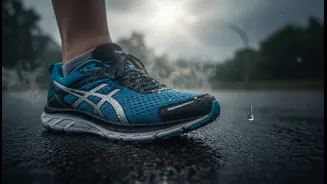








The Science of a Rainy Run
When you work out, your body sweats to cool itself down through evaporation. In humid or rainy conditions, however, the air is already saturated with moisture. This means your sweat can't evaporate effectively, so it lingers on your skin. Your body's
cooling system becomes less efficient, and to compensate, it may produce even more sweat, accelerating fluid loss without providing the cooling relief you'd expect. To make matters worse, this environment can blunt your body's natural thirst signals, creating a dangerous gap between your actual hydration level and how thirsty you feel. You might not feel parched, but you could be heading towards significant dehydration.
Why You Can't Trust Thirst Alone
Thirst is often the first signal that your body needs fluid, but it's a lagging indicator. By the time you feel thirsty, you may already be experiencing mild dehydration. This is especially true in cool, wet weather where the psychological cue of feeling hot and sweaty is absent. Other subtle signs of dehydration are more reliable indicators. These include developing a headache, feeling unusually tired or foggy, having a dry mouth, or experiencing muscle cramps. Acknowledging that thirst isn't a foolproof guide is the first step toward building a smarter hydration strategy for all weather conditions.
Method 1: The Weigh-In Technique
The most accurate way to measure your personal fluid loss is to calculate your sweat rate. To do this, weigh yourself nude right before your workout. After your session, towel off completely and weigh yourself nude again. The difference between your pre-workout weight and post-workout weight is the amount of fluid you lost. For a more precise calculation, you should also measure any fluids you consumed during the workout and add that amount to your total weight loss. For example, if you lost 1 kg and drank 500 ml of water, your total fluid loss is 1.5 litres. Knowing this number helps you create a personalised plan to rehydrate properly.
Method 2: Check Your Urine Colour
A simple, albeit less precise, method for gauging hydration is to monitor your urine colour. Adequately hydrated individuals typically have urine that is a pale straw or light yellow colour. If your urine becomes dark yellow or amber, it's a clear sign that your kidneys are conserving water and you need to increase your fluid intake. While this method is a useful daily check-in, be aware that certain B vitamins and some foods can alter urine colour, so it's best used as one of several tools in your hydration toolkit.
Method 3: Implement Scheduled Drinking
Since you can't rely on thirst, be proactive. Create a drinking schedule and stick to it, regardless of whether you feel you need it. A general guideline is to consume about one cup of water for every 15-20 minutes of moderate to intense exercise. For workouts lasting over an hour, your fluid replacement needs become more critical. Using your calculated sweat rate from the weigh-in method can help you tailor this schedule precisely. Set a timer on your watch or phone as a reminder to sip regularly throughout your workout. This ensures a consistent intake that prevents dehydration from setting in.
Don't Forget Electrolytes
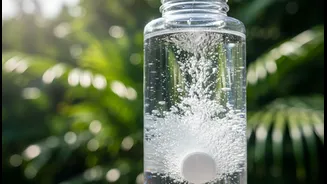
When you sweat, you don't just lose water; you also lose essential minerals called electrolytes, with sodium being the most prominent. These minerals are vital for muscle function and maintaining your body's fluid balance. In high-humidity workouts where you might be sweating profusely, replacing these electrolytes is crucial. For exercise sessions longer than 60-90 minutes, plain water may not be enough. Consider adding an electrolyte tablet or powder to your water or consuming a sports drink to replenish lost sodium, potassium, and magnesium, which can help prevent cramps and maintain performance.