






First, What Are Blue Bonds?
Think of blue bonds as a cousin to the more familiar green bonds. While green bonds raise money for a broad range of environmental projects like renewable energy and clean transport, blue bonds are specifically designed to finance projects that protect
and sustain marine ecosystems. They are debt instruments issued by governments or companies to raise capital from investors. The crucial part is that the money raised—the 'proceeds'—is earmarked exclusively for ocean-friendly initiatives. This ensures that investors’ money is channelled directly into activities that support a sustainable 'blue economy'. The world's first sovereign blue bond was issued by Seychelles in 2018 to fund sustainable fishing and expand marine protected areas, setting a precedent for other coastal nations.
Why Is India Pursuing This Now?
India's interest in blue bonds is driven by a combination of economic ambition and environmental necessity. The nation boasts a vast coastline of around 7,500 kilometres and a blue economy that already contributes about 4% to its GDP. However, there is a consensus that its full potential is yet to be unlocked. Recognizing this, the Securities and Exchange Board of India (SEBI) has been exploring a formal framework for blue bonds. SEBI released a consultation paper to introduce blue bonds as a distinct category of sustainable finance, aiming to align with international standards and attract both domestic and global investors. This move is part of a larger push to fund the country's climate commitments and develop its maritime sector, as seen in initiatives like the Sagarmala Programme and the Deep Ocean Mission.
An Ocean of Opportunity: What Could Be Funded?
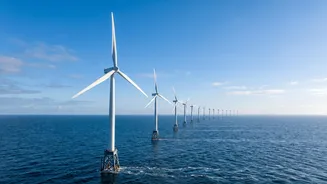
So, where could the funds from India's blue bonds actually go? The possibilities are as vast as the ocean itself. SEBI's initial proposals have highlighted several key areas. A major focus would be on promoting sustainable fisheries, which provide livelihoods for millions of people along India's coasts. Funds could also be directed towards marine pollution control, tackling the pervasive issue of plastics and other waste in our seas. Another significant area is the development of marine renewable energy, such as offshore wind and tidal power projects, helping India meet its clean energy targets. Other potential projects include the restoration of critical coastal ecosystems like mangroves and coral reefs, managing and creating marine protected areas, and fostering sustainable marine tourism. These investments would not only protect biodiversity but also enhance coastal resilience against climate change.
The Path Forward: Challenges and Potential
While the potential is immense, the journey is still in its early stages. One of the main challenges is creating a clear and credible framework that defines what qualifies as a 'blue' project to prevent 'blue-washing'—where environmental benefits are exaggerated. Establishing robust monitoring and reporting standards will be crucial to build investor confidence and ensure the funds deliver a measurable positive impact. The market regulator is also working to reduce compliance costs for issuers to make the domestic market more attractive compared to foreign exchanges. Despite these hurdles, the move towards blue bonds represents a significant step. If successful, it could unlock a new stream of capital to protect India's vital marine resources while simultaneously driving economic growth, creating jobs in coastal communities, and positioning India as a leader in the global blue economy.