

Beyond the Traditional Mithai Box
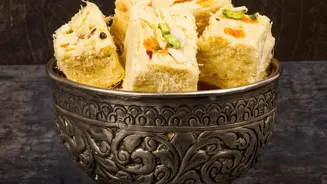
For generations, festive celebrations in India have been marked by the familiar presence of laddoos, barfis, and jalebis. These sweets are not just food; they are woven into the fabric of celebration and nostalgia. However, a creative shift is underway.
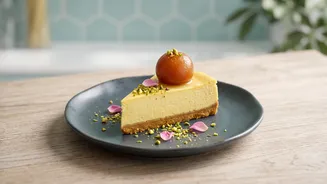
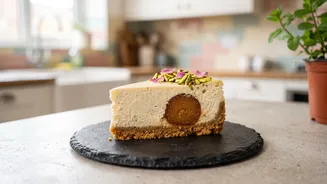
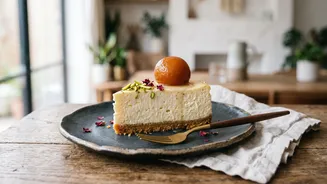
Home cooks and boutique sweet makers are now venturing beyond these time-honoured recipes, creating a new category of desserts that are both nostalgic and novel. This trend sees Indian flavours and ingredients being fused with Western dessert concepts, resulting in imaginative creations that are capturing the attention of a new generation. Think of a classic Gulab Jamun, but instead of being served in syrup, it’s nestled inside a creamy cheesecake. Or the delicate flavours of Rasmalai reinterpreted as a moist Latin American Tres Leches cake. This culinary crossover is about celebrating tradition while embracing a global palate.
The Rise of the Culinary Mash-Up
Several factors are driving this sweet evolution. The rise of social media has played a significant role, turning desserts into highly visual, "Instagram-worthy" statements. A beautifully constructed Rasmalai Tres Leches or a Gajar Ka Halwa cake with cardamom cream cheese frosting isn't just a treat; it’s a centrepiece. Furthermore, younger generations of home cooks are more globally exposed than ever before. They have grown up with access to international food trends and ingredients, from cream cheese to panna cotta, and feel empowered to experiment. This isn't about replacing the old but about remixing it with confidence. The result is a vibrant dessert landscape where home cooks are transforming their favourite mithai flavours into cakes, cupcakes, parfaits, and mousses. This movement reflects a modern Indian identity: one that is deeply rooted in its heritage but also open, curious, and globally connected.
A Fusion of Flavours and Textures
The possibilities in this new world of fusion desserts seem endless. The Gulab Jamun Cheesecake has become a breakout star, combining the syrupy sweetness of the mithai with the rich, tangy creaminess of a classic cheesecake. Another popular creation is the Rasmalai Tres Leches, where a soft sponge cake is soaked in saffron and cardamom-infused milk, offering the essence of rasmalai in a new format. Other inventive examples include Thandai Panna Cotta, Kesar Pista (saffron and pistachio) cupcakes, Motichoor Ladoo parfaits, and even Jalebi-inspired caviar. These desserts succeed because they honour the core flavours that people love—the floral notes of rose and saffron, the warmth of cardamom—while introducing exciting new textures and forms. It's a culinary dialogue between the familiar comfort of mithai and the refined techniques of global patisserie.
Celebrating Heritage, One Bite at a Time
While the presentation may be modern, the soul of these desserts remains distinctly Indian. This trend is not about abandoning tradition but celebrating it in a new language. Chefs and home cooks are careful to ensure the essence of the original dish is not lost in the translation. A Motichoor Ladoo Cheesecake still needs to deliver that quintessential nutty, gram-flour flavour, just as a Paan-flavoured macaron must capture the unique, refreshing taste of the original. The goal is to evoke nostalgia while providing a delightful surprise. This approach makes traditional sweets more accessible and exciting for a younger audience who might be drawn to the novelty of a fusion creation. It proves that tradition doesn't have to be static; it can evolve, adapt, and become even more vibrant in the process.