



What is Neem Oil?
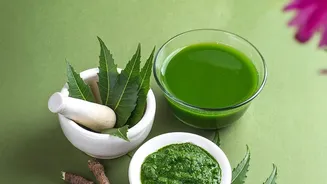
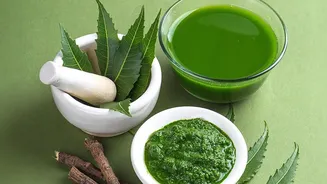
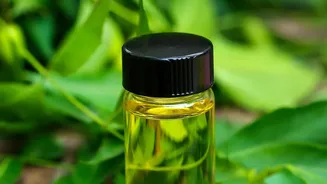
Neem oil is a natural pesticide extracted from the seeds of the neem tree (Azadirachta indica), which is native to the Indian subcontinent. For centuries, it has been a cornerstone of traditional agriculture and medicine in India. The oil contains several
compounds, most notably Azadirachtin, which is responsible for its powerful pest-controlling properties. This natural origin makes it a biodegradable and environmentally friendly option for gardeners who are conscious about what they use on their plants and around their homes.
A Natural Pest and Fungus Fighter
Neem oil offers a dual-action defence for your plants. It acts as both a pesticide and a fungicide. As a pesticide, it targets a wide array of damaging insects like aphids, mealybugs, spider mites, whiteflies, and caterpillars. It works not by poisoning them on contact, but by disrupting their life cycle. When pests ingest the oil, it interferes with their hormonal systems, stopping them from feeding, growing, and reproducing. As a fungicide, it can help prevent and control common issues like powdery mildew, black spot, and rust. It does this by preventing fungal spores from germinating on the leaves.
Why It's Great for Home Gardens
One of the biggest advantages of neem oil is its safety profile when used correctly. Unlike many synthetic pesticides, it is generally considered safe for use in homes with pets and children. It primarily affects insects that chew on and ingest the plant's leaves. This makes it less harmful to beneficial insects like bees, butterflies, and ladybugs, which are crucial for pollination and natural pest control, as they are not typically eating the plant's tissue. This selective action helps maintain a healthy micro-ecosystem in your balcony garden.
Simple DIY Neem Oil Spray Recipe
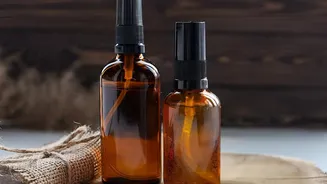
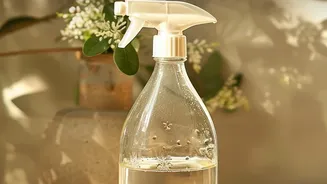
Making your own neem oil spray is both easy and cost-effective. Commercial pre-mixed sprays are available, but a homemade solution is often more potent and affordable. You will need three simple ingredients: 1 Litre of warm water 1 Teaspoon (about 5ml) of good-quality, cold-pressed neem oil * 1/4 to 1/2 Teaspoon of a mild liquid soap (like a simple dish soap) The soap is crucial as it acts as an emulsifier, allowing the oil and water to mix. Without it, the oil will simply float on top. To prepare, add the soap to the warm water first and mix it well. Then, slowly add the neem oil while stirring continuously. Pour the solution into a spray bottle and shake it well before use.
How to Apply Your Spray Effectively
For the best results, timing and technique are key. Always apply neem oil spray in the early morning or, preferably, in the evening. Spraying during the midday sun can cause the oil-coated leaves to burn. You should also avoid spraying if rain is expected within 24 hours, as it will wash the oil away. When you spray, ensure you get complete coverage. This means spraying the tops and, most importantly, the undersides of the leaves, where many pests like to hide. You should also spray the plant's stems. Use the mixture right away, as it is most effective when fresh and can separate or thicken over time.
Important Precautions to Take
While neem oil is natural, it's still a powerful substance. Always perform a 'spot test' before spraying an entire plant. Apply the spray to one or two leaves and wait 24-48 hours to check for any signs of damage or stress, like leaf discoloration or wilting. Avoid using neem oil on very young seedlings or plants that are already stressed from underwatering or recent transplanting, as they are more susceptible to leaf burn. Though it has a low toxicity for mammals, it's wise to wear gloves and avoid getting the spray in your eyes.