






What Exactly Is Myristicin?
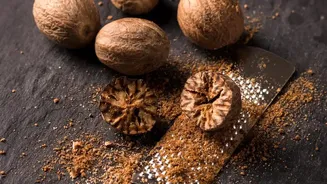
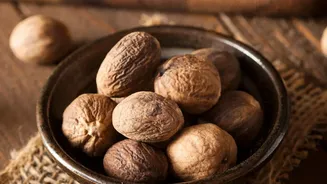
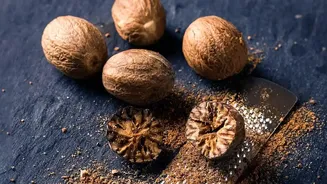
Myristicin is a naturally occurring compound found in the essential oils of several plants, including parsley, dill, and most notably, nutmeg. It is the primary chemical responsible for nutmeg's distinct aroma and flavour. Structurally, myristicin is related
to other psychoactive compounds and, when ingested in very large quantities, can affect the central nervous system. In the body, it is partially metabolized into a compound called MMDA, which is structurally similar to MDMA (ecstasy) and can produce hallucinogenic effects. However, this process is not a simple or clean 'high'; it is a state of poisoning.
The So-Called 'Nutmeg High'
The idea of using nutmeg to get high is not new, with reports of its intoxicating effects dating back centuries. In modern times, it has occasionally gained notoriety as a cheap, legal high, sometimes popularized by ill-advised social media challenges. Users attempt to achieve a hallucinogenic state by consuming large amounts of the spice, often several teaspoons or even tablespoons at once. The desired effects are said to include euphoria and hallucinations. However, the experience is widely reported to be unpleasant, unpredictable, and accompanied by severe and distressing side effects.
The Reality: A Toxic Experience
What is often framed as a 'high' is actually myristicin poisoning. The toxic dose of nutmeg is estimated to begin at around 5 grams, which is roughly one to two teaspoons. Symptoms of nutmeg intoxication typically set in several hours after ingestion and can be severe and long-lasting. The most common effects include intense nausea, vomiting, dizziness, confusion, and a painful dry mouth. More severe symptoms can involve a rapid heart rate, agitation, a feeling of impending doom, and hallucinations. In some cases, nutmeg overdose has led to organ failure, seizures, and other serious medical emergencies requiring hospitalization.
How Much Is Too Much?
The difference between a safe culinary amount and a toxic dose is significant. Most recipes call for a very small quantity, typically between 1/4 and 1/2 a teaspoon of ground nutmeg for a dish that serves multiple people. An individual serving, therefore, contains a tiny, harmless amount. Doses of 5 to 30 grams are considered recreational or toxic and are where the danger lies. Because the concentration of myristicin can vary depending on the freshness and origin of the spice, attempting to ingest it for psychoactive effects is highly unpredictable. The bottom line is that any amount large enough to cause intoxication is also large enough to cause poisoning.
Safe in the Kitchen, Dangerous as a Drug
For anyone worried about their spice rack, it's important to be clear: using nutmeg in cooking and baking is perfectly safe. A sprinkle on your eggnog or a pinch in a batch of cookies will not cause any adverse effects. The spice has been a valued part of global cuisine for centuries, prized for its warmth and aroma. The health risks associated with myristicin only appear when the spice is deliberately misused in quantities far exceeding anything used in the kitchen. The historical and modern claims about nutmeg's psychoactive properties are not an invitation to experiment, but rather a warning about the substance's inherent toxicity when consumed improperly.