



The Great Green Escape
For years, the quintessential Indian holiday often involved a mad dash through a bustling city or a fight for a spot on a crowded beach. But a quiet revolution is underway. Spurred by a collective burnout from city life and a post-pandemic craving for open
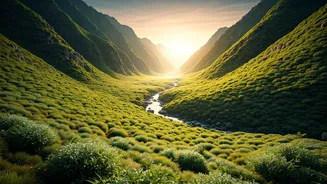
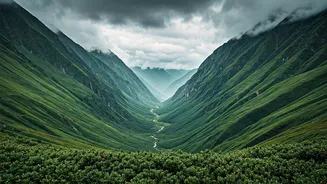
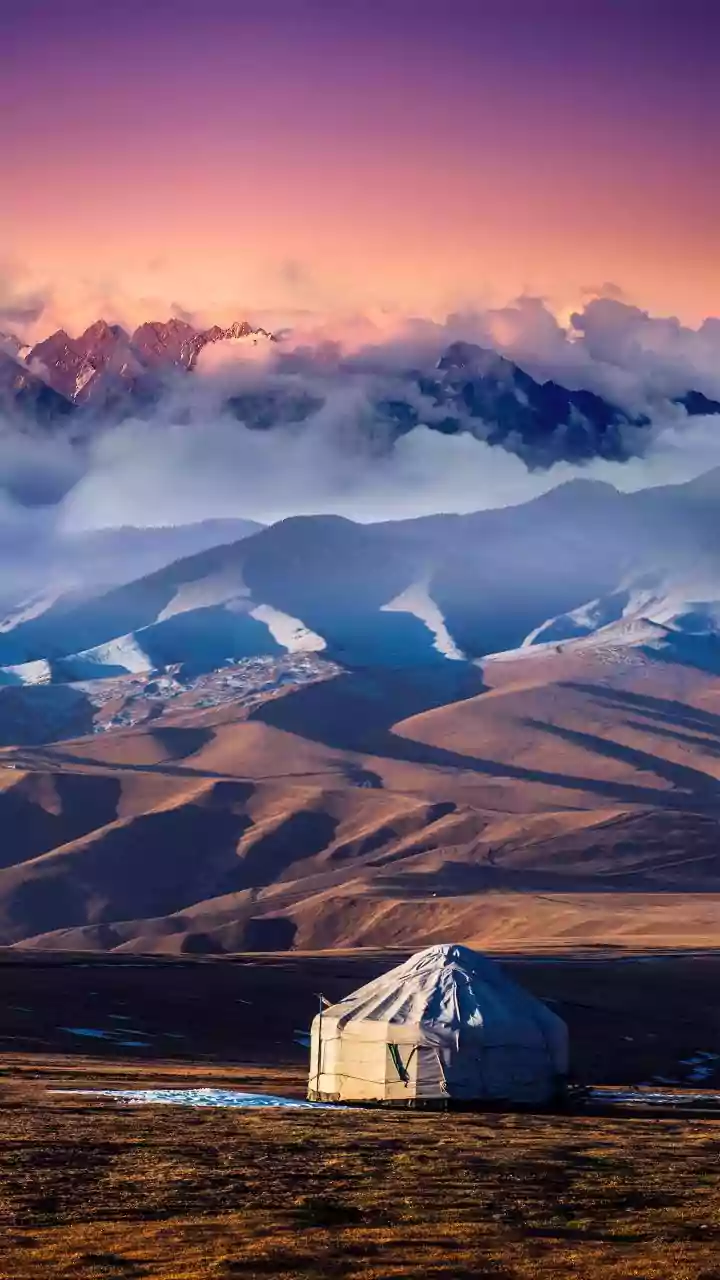
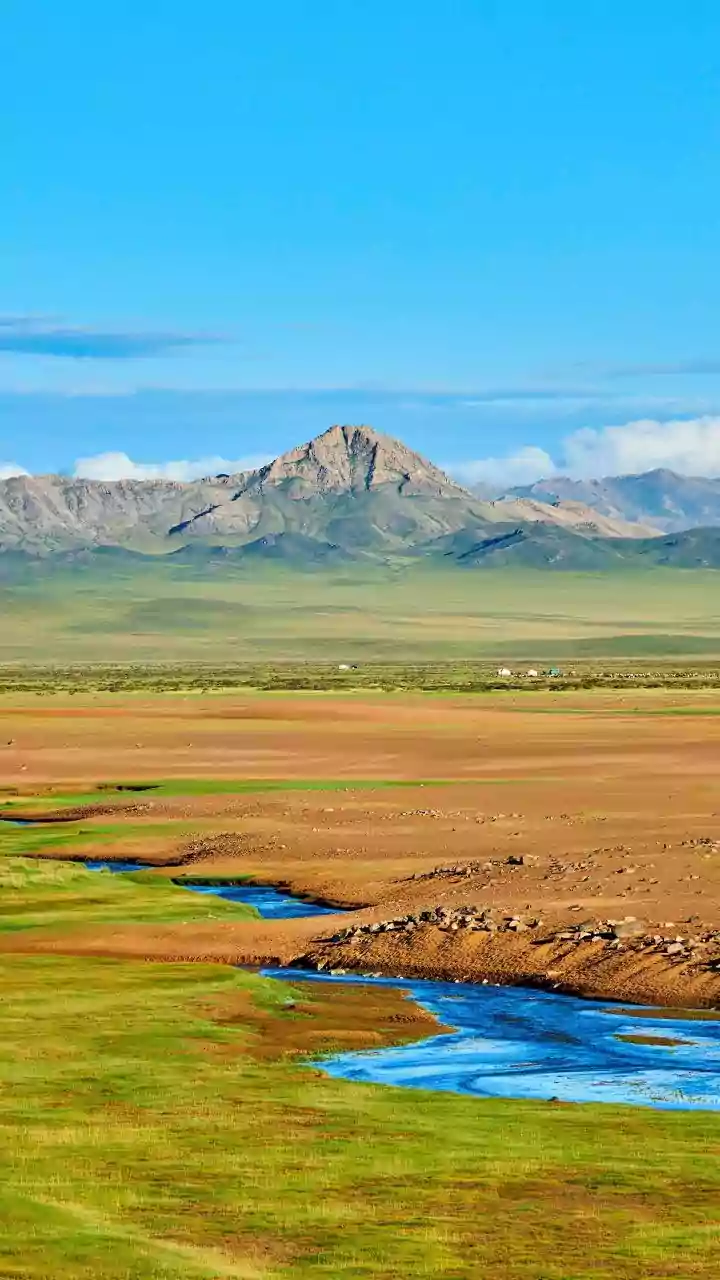
spaces, travellers are redefining what a vacation means. The new luxury isn't a five-star hotel lobby; it's the unfiltered sound of a flowing river, the sight of a star-filled sky, and the scent of pine needles on a forest floor. This isn't just about escaping noise; it's about finding peace. Travel industry reports confirm this shift, with booking platforms noting a significant surge in searches for rural homestays, eco-lodges, and properties near national parks. It’s a move away from consumption-driven tourism towards experience-driven connection.
From Concrete Jungles to Eco-Lodges
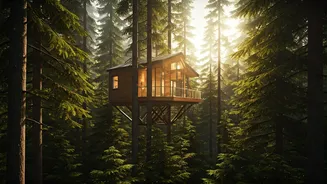
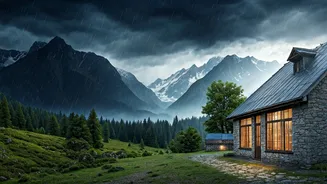
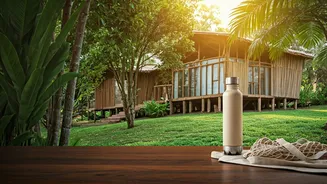
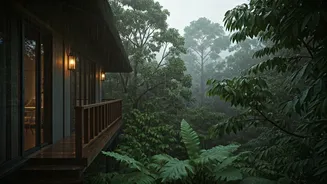
A key part of this trend is where we choose to stay. The generic, air-conditioned hotel room is losing its appeal. In its place, a vibrant ecosystem of unique, nature-integrated accommodations is thriving. Think of the charming farm stays in Punjab where you can wake up to the rhythm of rural life, or the boutique eco-lodges in the Western Ghats built with local materials and a minimal environmental footprint. These places are destinations in themselves. They offer more than a bed for the night; they offer an ethos. Staying in a family-run homestay in Himachal Pradesh or a sustainable jungle retreat near a tiger reserve in Madhya Pradesh allows for a deeper immersion into the local culture and environment. It transforms accommodation from a mere commodity into an integral part of the travel story.
Activities That Reconnect and Restore
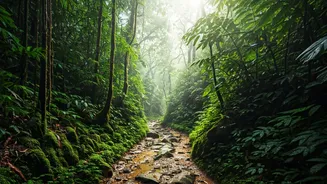
With a focus on nature comes a shift in activities. The itinerary is no longer about cramming in as many sights as possible. Instead, it’s about slow, mindful engagement. Forest bathing, or 'Shinrin-yoku', a Japanese practice of simply being in and connecting with the forest, is gaining popularity. Gentle treks that focus on appreciating the journey, not just conquering the peak, are becoming the norm. Bird-watching expeditions in sanctuaries like Sattal in Uttarakhand or Thattekad in Kerala are drawing enthusiasts of all ages. This deliberate slowing down allows travellers to notice the small wonders—the call of a specific bird, the texture of a leaf, the way the light filters through the canopy. It’s a form of active meditation that provides a genuine respite from the constant stimulation of our digital lives.
Beyond 'Do No Harm': The Rise of Regenerative Travel
The most forward-thinking aspect of this trend is the move from sustainable to regenerative travel. Sustainability aims to leave no negative impact, but regeneration goes a step further: it aims to leave a place better than you found it. This can take many forms. It might mean choosing a tour operator who invests a portion of their profits back into local community projects or wildlife conservation. It could involve participating in a beach clean-up, planting trees as part of your stay, or staying at a property that actively restores local ecosystems. This approach flips the script on tourism. The traveller is no longer a passive consumer but an active participant in the well-being of the destination. It fosters a sense of responsibility and creates a more profound and meaningful connection to the places we visit.
How to Plan Your Nature-First Trip
Embracing this trend is easier than you think. Start by looking for certified eco-friendly accommodations; labels like 'Ecotel' or recognition from responsible tourism bodies can be a good guide. When booking activities, ask operators about their conservation policies and their relationship with the local community. Pack smart: carry a reusable water bottle and coffee cup to minimise plastic waste, and use reef-safe sunscreen if you're heading to the coast. Most importantly, adopt a mindset of curiosity and respect. Learn a few words of the local language, ask questions, and be mindful of your impact. The goal is to be a guest of nature, not its conqueror.