





1. Rethink Your Rain Gear
An umbrella is a start, but it's often not enough against wind and sideways rain. A quality, lightweight, and packable waterproof jacket is a commuter's best friend. Look for one with a hood to keep your hands free. For cyclists, a jacket with a longer
back and reflective strips offers crucial protection and visibility. The right fabrics for your clothes also matter. Avoid heavy materials like denim and wool that get waterlogged and take forever to dry. Instead, opt for quick-drying synthetics or lightweight wools. If your commute involves walking, waterproof shoes with good traction are non-negotiable to avoid slips and the misery of wet socks. And don't forget your bag—a waterproof backpack or a simple rain cover can save your laptop and important documents from a costly disaster.
2. Adjust Your Route and Timing
Rain means delays. Traffic slows, public transport schedules are disrupted, and waterlogged streets can bring everything to a halt. Check the weather forecast and traffic conditions before you even leave the house. Use live-tracking apps for buses and trains to get real-time information on delays or cancellations. Planning your journey with a tool that allows you to find routes with the least amount of walking can be a game-changer. The single most important adjustment, however, is time. Leaving just 15-20 minutes earlier than usual can make all the difference, reducing the stress of rushing on slippery surfaces and allowing you to navigate your journey with more caution and less frustration.
3. Conduct a Vehicle Safety Check
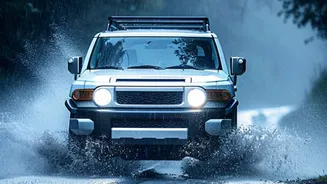
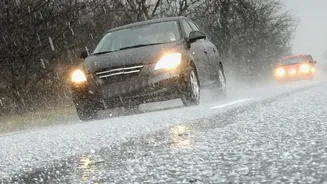
If you commute by car, two-wheeler, or bicycle, a pre-emptive check is essential for safety. For car drivers, ensure your windshield wipers are working effectively and your tyres have adequate tread and pressure. Wet roads dramatically increase stopping distances, and good tyres are your first line of defense against hydroplaning. Turn on your headlights, even in daytime rain, to increase your visibility to other drivers. For those on two-wheelers, the same principles apply, with an added emphasis on visibility. Bright or reflective gear is a must. Cyclists should also consider adding mudguards to prevent backsplash from the road, which keeps you cleaner and drier. In all cases, slow down, increase your following distance, and be extra cautious of other road users.
4. Pack an 'Arrival Kit'
Despite your best efforts, sometimes you just get wet. The key to not letting it ruin your day is to be prepared for your arrival. Keep a small 'dry kit' at your workplace. This could include a spare pair of socks and shoes, which can feel like the ultimate luxury after a damp commute. Others go a step further, keeping a spare shirt or even a full change of clothes at the office. A small, quick-drying towel can also be incredibly useful for drying off your face, hands, and hair. Having these items waiting for you means you can quickly freshen up and get on with your workday in comfort, rather than sitting in damp clothes, which is not only unpleasant but can also leave you feeling chilled in an air-conditioned office.
5. Upgrade Your Mindset and Entertainment
A rainy commute can be a mental battle as much as a physical one. Dreading the journey can make it feel ten times worse. Try to shift your mindset from one of annoyance to one of acceptance and preparation. Think of it as a challenge you're fully equipped to handle. This is also a perfect opportunity to upgrade your commute's entertainment. Prepare a new podcast, an engrossing audiobook, or a playlist of your favourite upbeat music. Having something to look forward to can transform the journey from a miserable slog into a welcome pocket of personal time. Instead of focusing on the rain lashing against the window, you can get lost in a compelling story or a great album, making the travel time pass more pleasantly and putting you in a better mood by the time you arrive.