


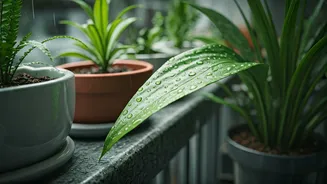


Prioritise Drainage Above All Else
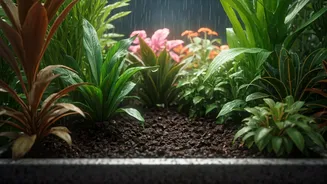
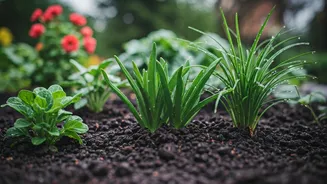
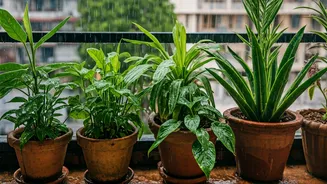
The single biggest threat to potted plants during the monsoon is waterlogging, which leads to root rot. [7] Before the season begins, ensure every pot has multiple drainage holes. [12] If your pots sit flat on the floor, elevate them using bricks, stones,
or pot feet to allow excess water to escape freely and prevent them from sitting in puddles. [13, 12] A well-draining potting mix is also crucial. Avoid heavy, clay-like soil and instead opt for a lighter mix containing components like cocopeat, sand, or perlite to improve aeration and prevent water from suffocating the roots. [7, 14]
Choose Monsoon-Happy Plants
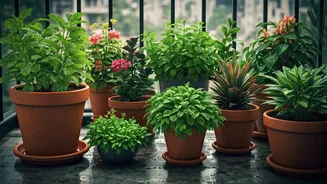
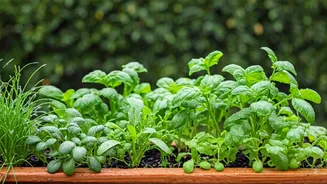
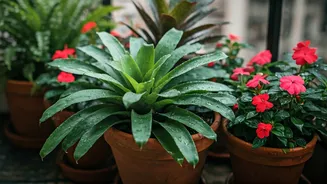
Not all plants enjoy constant humidity and rain. For a successful monsoon garden, select species that thrive in these conditions. [17] Flowering plants like hibiscus, jasmine, marigold, and rain lilies are excellent choices that bloom beautifully during this season. [2, 9] For lush foliage, consider ferns and money plants, which love the humid, shady conditions. [10] You can also grow a variety of edibles. Herbs like mint and vegetables such as spinach, okra, and various gourds grow rapidly in the moist environment. [2]
Master the Art of Watering
With frequent rain, your plants will rarely need manual watering. [2] One of the most common beginner mistakes is overwatering during the monsoon. [20] Before reaching for the watering can, always check the soil. Stick your finger about an inch or two into the soil; if it feels moist, wait another day. [7, 13] Let nature do most of the work and only water when the topsoil feels dry to the touch, preventing the risk of fungal infections and yellowing leaves. [2, 8]
Watch Out for Pests and Diseases
The damp, humid weather is an open invitation for pests like snails, slugs, aphids, and mealybugs. [15, 24] Fungal diseases also thrive in these conditions. [14] Inspect your plants regularly, paying close attention to the undersides of leaves where pests often hide. [3] Ensure there is good air circulation by leaving adequate space between pots. [7] As a preventative measure, you can spray a natural pesticide like neem oil solution every 10-14 days to keep pests and fungal issues at bay. [15, 16]
Provide Shelter and Support
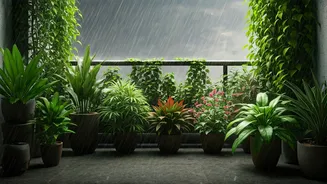
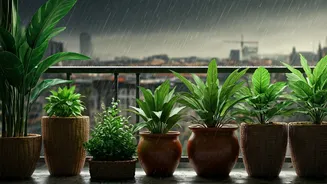
While rain is beneficial, heavy downpours accompanied by strong winds can damage delicate plants, break stems, and strip leaves. [11, 19] If possible, move more sensitive plants to a covered part of your balcony during intense storms. [17] For taller plants or climbers, provide support by using stakes or tying them gently to railings to prevent them from breaking in the wind. [8, 11] Grouping smaller pots together can also create a more stable cluster that is less likely to tip over. [25]
Prune and Maintain Regularly
Regular pruning is essential during the monsoon to maintain plant health and appearance. The high humidity can cause leaves and flowers to decay quickly. [17] Trimming your plants helps improve air circulation, which reduces the risk of fungal diseases. [19] Promptly remove any yellowing leaves, dead flowers, or diseased branches. [19, 14] This not only keeps your garden looking neat but also encourages fresh, bushy growth. [5]