



Beyond the Hashtag: What Is Slow Travel?
The term ‘slow travel’ is more than just a trendy hashtag; it’s a mindset. It’s the conscious decision to trade a packed itinerary for a meaningful one. Instead of ticking off a checklist of sights, slow travellers aim to connect deeply with a single
place. This means spending weeks, not days, in one region, choosing homestays over hotels, learning a few words of the local language, and prioritising experiences over expenses. It's an antidote to the burnout of modern life and the superficiality of whirlwind tourism. The goal isn't to see everything, but to truly experience something—a conversation with a village elder, the taste of a local delicacy prepared in a family kitchen, or the rhythm of life in a place untouched by the rush of the 21st century.
Arunachal: The Perfect Canvas for Slow Travel
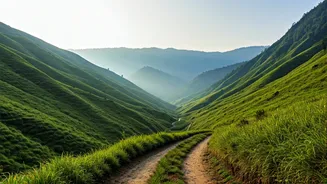
Why Arunachal Pradesh? This remote northeastern state has become the unofficial capital of slow travel in India for several reasons. Firstly, its geography demands a slower pace. The winding roads, breathtaking mountain passes, and vast, sparsely populated valleys aren't meant to be rushed through. Reaching places like Mechuka or Anini is a journey in itself, filtering out those looking for a quick weekend getaway. Secondly, the state's unique permit system, the Inner Line Permit (ILP) required for all domestic tourists, naturally encourages longer, more planned trips. It fosters a sense of intentionality. Travellers who go through the process of securing a permit are already invested in a more thoughtful exploration of the region.
Life in the Valleys: Ziro and Mechuka
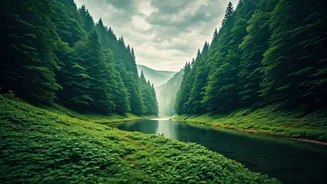
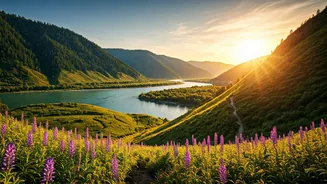
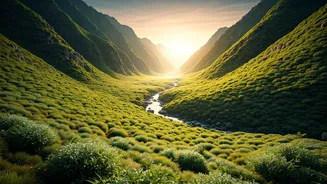
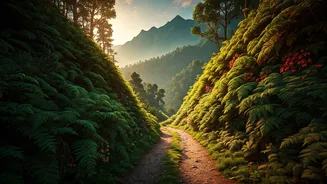
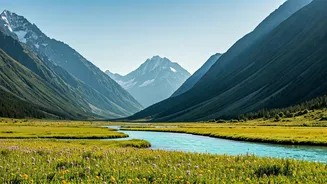
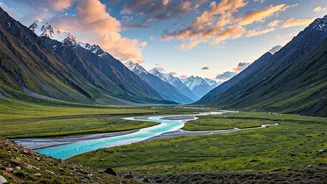
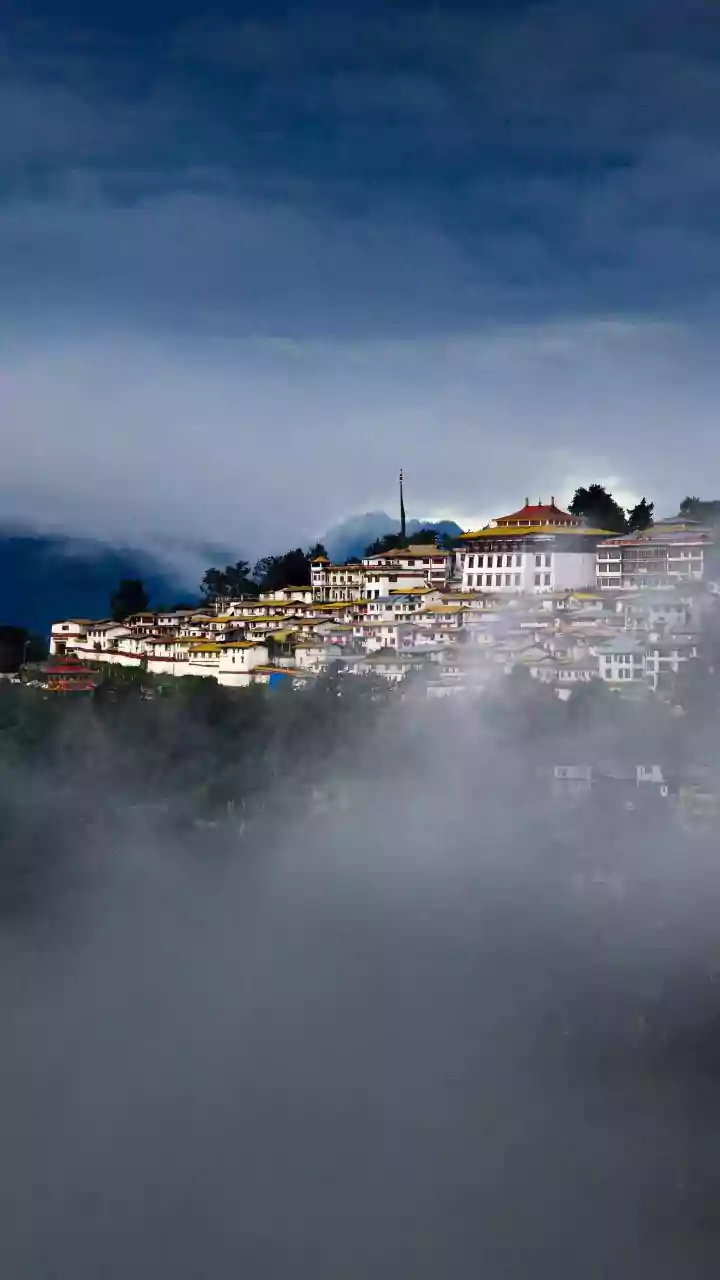
The trend is most visible in valleys that seem suspended in time. Take Ziro Valley, a UNESCO World Heritage site candidate. It’s famous for the Apatani tribe, their unique sustainable agriculture, and the iconic facial tattoos of the elder women. Backpackers aren't just visiting for the famous Ziro Festival of Music; they are staying for weeks, living in traditional bamboo homes, helping with farm work, and learning about the Apatani way of life. Farther afield is Mechuka, the ‘Forbidden Valley’ near the Indo-Chinese border. Known for its stunning landscapes, pristine rivers, and the Memba tribe, Mechuka rewards those who make the arduous journey. Here, days are measured by the rising sun and the flow of the Yargyapchu River, not by the clock. The main activities are trekking to ancient monasteries, crossing swaying suspension bridges, and simply being present.
The Homestay Heartbeat
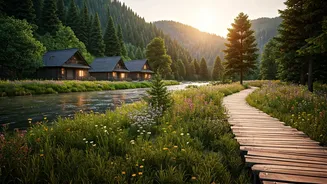
At the core of Arunachal's slow travel movement is the homestay. These are not just budget accommodations; they are the primary mode of cultural exchange. Staying with a local family offers an unfiltered glimpse into their world. Mornings might start with a cup of butter tea, followed by a walk through the village with your host. Evenings are spent around the kitchen fire, sharing stories over a meal of rice, local greens, and perhaps some freshly brewed 'apong' (rice beer). This is where the magic happens. It’s in these simple, unscripted moments that travellers find the connection they crave. The homestay economy also ensures that tourist revenue directly benefits local communities, empowering them to preserve their culture and environment rather than selling out to large-scale, impersonal tourism.
A More Conscious Way to Explore
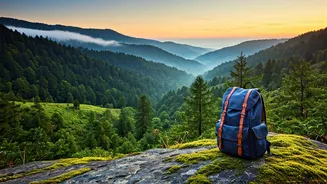
This trend signifies a shift in what Indian travellers, particularly the younger generation, value. After years of chasing international destinations or rushing through domestic tourist circuits, there's a growing desire for authenticity and sustainability. Slow travel in Arunachal is not about escapism but engagement. It requires patience, respect, and a willingness to be a guest rather than a customer. It's about leaving a place better, or at least no worse, than you found it. As more backpackers share their stories of misty mornings in Ziro and quiet afternoons in Mechuka, they inspire others not just to visit Arunachal, but to rethink how they travel altogether.