







What Is This Viral Elixir?
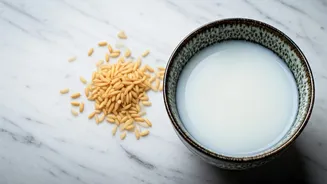
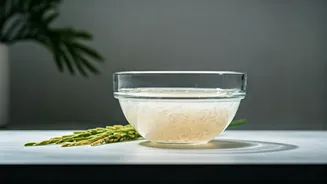
At its core, rice water is exactly what it sounds like: the starchy water left behind after soaking or boiling rice. This simple, milky liquid is packed with nutrients that seep from the rice grains, including amino acids, B vitamins, vitamin E, minerals,
and antioxidants. For centuries, across many Asian cultures, it has been a go-to, low-cost beauty treatment for hair and skin. While modern beauty shelves are flooded with complex formulas, the appeal of this humble kitchen byproduct lies in its simplicity and perceived natural benefits, making it a perfect fit for today’s back-to-basics wellness trend.
An Ancient Beauty Tradition
The most famous proponents of rice water are the Yao women of Huangluo village in China, who are Guinness World Record holders for their astonishingly long, healthy hair, which they claim to wash with fermented rice water. This practice is part of a tradition that has kept their hair strong, dark, and free of greys well into their 80s. But the tradition isn’t limited to China. In Japan, court ladies during the Heian Period (794 to 1185 AD) were known to comb their floor-length hair with rice water (known as 'Yu-Su-Ru') to keep it healthy and beautiful. This long history gives the trend a sense of time-tested authenticity that modern fads often lack.
The Science Behind the Shine
So, is there any science to back up these ancient claims? The answer is a promising 'maybe'. The star ingredient in rice water is thought to be inositol, a carbohydrate that has been shown in some studies to penetrate damaged hair and repair it from the inside out. It also remains in the hair even after rinsing, offering continued protection. The amino acids present help strengthen the hair roots, while the vitamins and minerals nourish the scalp. Dermatologists agree that rice water can help reduce friction between hair strands and improve elasticity, which leads to less breakage and a smoother appearance. However, it's important to note that most evidence is anecdotal or from small-scale studies. It's not a magic bullet for hair growth, but it can certainly boost hair health.
Why Is It Trending Now?
The resurgence of rice water can be traced to a perfect storm of cultural trends. The global lockdowns saw a massive surge in DIY beauty, as people sought effective, affordable treatments at home. Rice water fits the bill perfectly. Furthermore, the 'skinimalism' and 'clean beauty' movements have made consumers wary of long, chemical-laden ingredient lists, pushing them towards simple, natural alternatives. Social media platforms like TikTok and Instagram have acted as a powerful amplifier, with viral 'before and after' videos and easy-to-follow tutorials making the practice accessible to a global audience. It’s an empowering ritual that connects users to both ancient traditions and a modern digital community.
How to Make Your Own
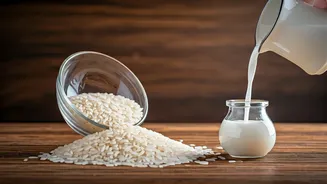
Ready to try it? Making rice water at home is incredibly simple. There are three popular methods: 1. **Soaking:** The quickest method. Rinse half a cup of uncooked rice, then place it in a bowl with two to three cups of water. Let it soak for at least 30 minutes, then strain the water into a clean bottle. 2. **Boiling:** Simply use the excess water left over after you cook rice. It will be more concentrated, so you might want to dilute it with plain water before use. 3. **Fermenting:** This is the traditional method used by the Yao women and is considered the most potent. After soaking the rice for 30 minutes, strain the water and leave it at room temperature for 12 to 24 hours to ferment. This enhances the nutrient levels but also gives it a sour smell. You can add a few drops of lavender or rosemary essential oil to counter the odour.
Things to Keep in Mind
While generally safe, rice water isn't for everyone. Because it's rich in proteins and starches, it can cause 'protein overload' in certain hair types (especially low-porosity hair), leading to dryness and brittleness. Overuse can also cause buildup on the scalp. It's best to start by using it once a week as a rinse after shampooing and before conditioning. Leave it on for up to 20 minutes, then rinse thoroughly. Always listen to your hair; if it starts to feel stiff or dry, reduce the frequency or stop using it. As with any new product, a patch test on your skin is also a good idea to rule out any irritation.