

The Festival on a Plate
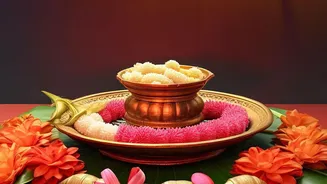
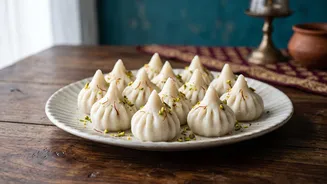
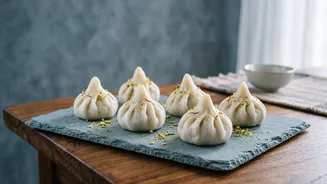
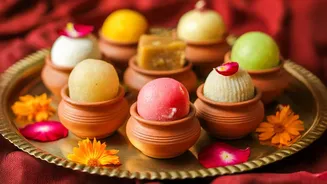
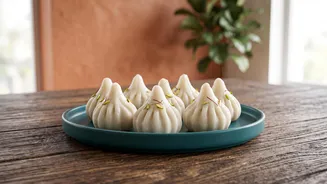
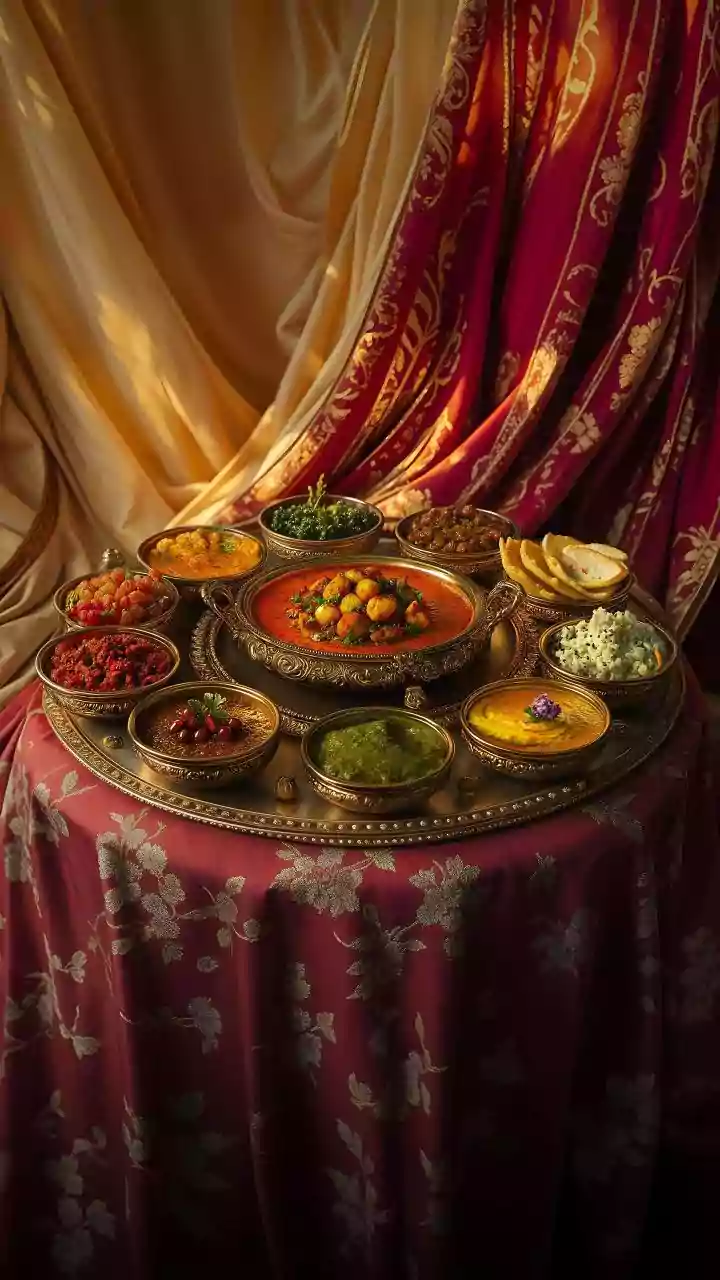
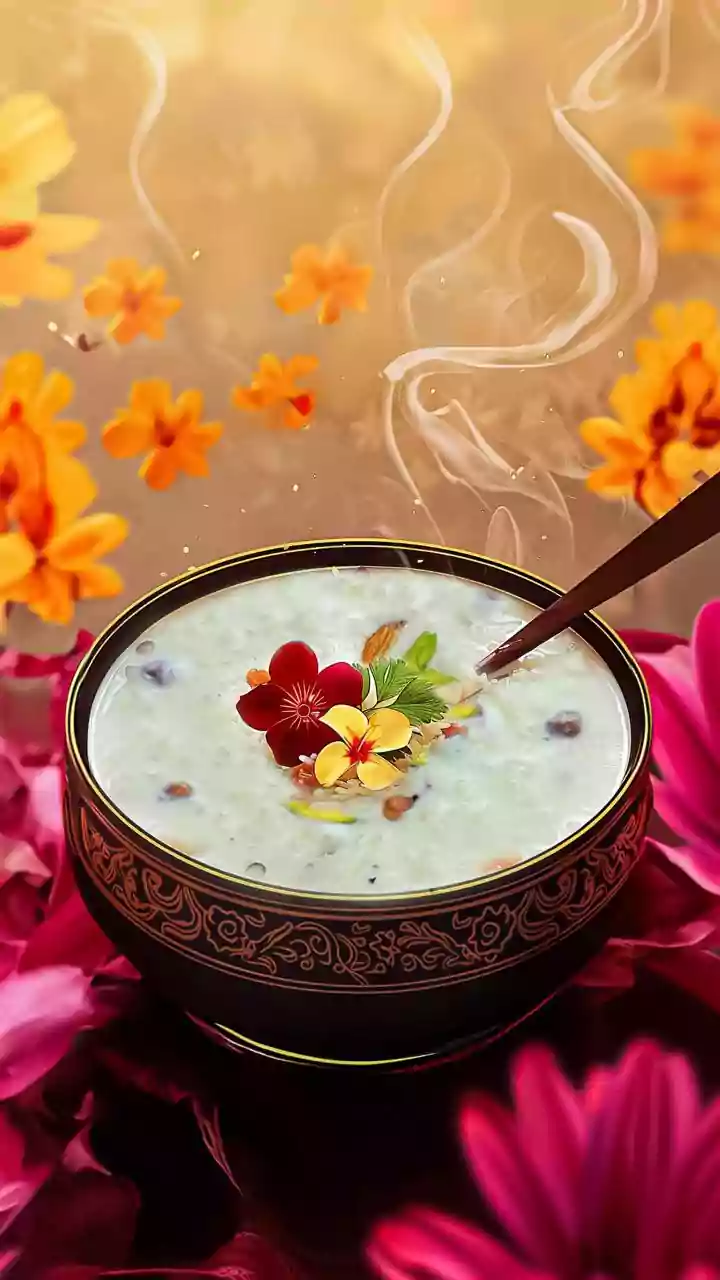
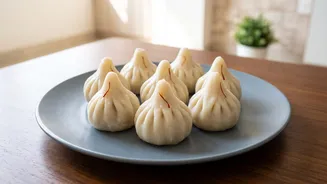
The ten-day period of Ganeshotsav culminates in a feast of experiences, and food is at its heart. While modaks remain the undisputed star offering, cities are witnessing a culinary explosion tied directly to the festival's rhythm. Restaurants in Mumbai,
Pune, and Hyderabad are curating special 'Visarjan' menus, offering elaborate thalis and modern interpretations of traditional sweets like Puran Poli and various laddoos. It’s not just about dining in. On the crowded days of immersion, food delivery services see a significant uptick in orders, catering to families who prefer to celebrate at home without the hassle of cooking. Home chefs and cloud kitchens, too, are creating bespoke festive meal boxes, delivering everything from appetisers to prasad, making the celebration both convenient and authentic for thousands of devotees.
Journeys for a Final Farewell
Ganesh Visarjan has become a significant travel magnet, drawing people not just from across the country but from around the world. Major immersion sites like Mumbai’s Girgaon Chowpatty and Juhu Beach, Pune's riverside ghats, and Hyderabad's Hussain Sagar Lake transform into sprawling spectacles of devotion and artistry. This has given rise to 'festival tourism,' with travel agencies and tour operators offering specialised packages. These tours provide curated experiences, guiding visitors through the most iconic pandals and securing prime spots to witness the grand processions on Anant Chaturdashi. Hotels in these cities see a surge in bookings weeks in advance, as people plan trips specifically to witness the final, grand farewell to Lord Ganesha. The festival dictates local travel as well, with extensive traffic diversions and special public transport arrangements made to manage the massive crowds.
Culture Beyond the Procession
While the immersion procession is the main event, the cultural experiences surrounding Visarjan are becoming richer and more diverse. The festival has evolved into a platform for artistic and community expression that extends beyond traditional rituals. Across cities, art installations inspired by Ganesha and the festival's themes are becoming common. Community groups and NGOs organise workshops on creating eco-friendly idols and decorations, turning the festival into an educational experience. The powerful beats of dhol-tasha groups, once confined to the processions themselves, are now part of dedicated cultural performances. Social media plays a huge role, with digital creators and devotees sharing everything from pandal-hopping guides to live streams of the Visarjan, creating a shared cultural experience that transcends geographical boundaries.
An Eco-Conscious Evolution
A significant and welcome trend shaping the modern Visarjan experience is the growing emphasis on environmental sustainability. Concerns over water pollution from Plaster of Paris (PoP) idols and chemical paints have led to a powerful grassroots and administrative push for greener celebrations. Cities like Mumbai and Kolhapur have set up hundreds of artificial immersion tanks to reduce the burden on natural water bodies. The concept of immersing the idol at home in a bucket or tub has also gained widespread acceptance, with the dissolved clay later used for garden plants. This shift has created a new market for artisans specialising in natural clay and seed-based idols, which grow into plants after immersion. This eco-conscious approach is more than just a trend; it's a re-interpretation of the festival's core message, linking devotion with a respect for nature.