







Banish Dampness and Moisture
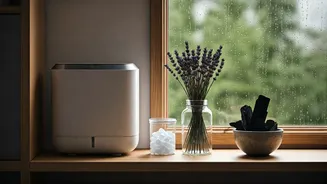
Dampness is the number one enemy during the monsoon. To fight it, create your own DIY moisture absorbers. Place bowls of coarse rock salt or uncooked rice in the corners of rooms, on windowsills, and inside cupboards. Both are excellent desiccants, meaning
they naturally absorb excess moisture from the air. For a more powerful solution, you can use activated charcoal, which is incredibly porous and effective. Simply place a few pieces in a breathable bag or a bowl. Remember to replace the salt or rice every few weeks, or when it becomes visibly saturated with water.
Protect Your Clothes and Cupboards
Musty-smelling clothes are a common monsoon complaint. The culprit is moisture trapped in your wardrobe. The classic Indian solution is camphor (kapur). Wrap a few camphor balls in a muslin cloth and hang them in your closet. They not only absorb moisture but also act as a natural pest repellent. Alternatively, you can place a few silica gel packets (the kind you find in new shoe boxes or bags) in your drawers. For a fragrant touch, add a few dried neem leaves or cloves to the cloth pouches to keep fabrics smelling pleasant and mildew-free.
Master the Art of Indoor Drying
Drying clothes indoors can feel like an impossible task. The key is to maximise air circulation. Space your clothes out on the drying rack; overcrowding traps moisture and slows down the process. Place the rack in a well-ventilated room, ideally with a fan running. Point the fan directly at the clothes to mimic a breezy day. Hang clothes on hangers first and then on the rack, as this creates more surface area for air to pass through. For smaller items like socks and undergarments, wring them out in a dry towel to remove excess water before hanging them to dry.
Create a No-Entry Zone for Pests
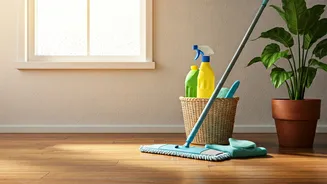
Wet weather often invites unwanted guests like insects and silverfish. Keep them at bay with natural repellents. Mop your floors with water that has a few drops of neem oil or citronella oil added to it. Place dried neem leaves in cupboards, under mattresses, and in bookshelves to deter silverfish and other crawlies. A small bowl of vinegar placed near windows or doors can help repel flies. For ants, a mixture of equal parts vinegar and water sprayed along their entry points can disrupt their trails and keep them out of your home. These simple tricks are effective and free of harsh chemicals.
Eliminate That Lingering Damp Smell
Even with moisture absorbers, a musty smell can linger in the air. Time to neutralise it. A bowl of white vinegar left in a room overnight can absorb strong odours. While the vinegar itself has a strong smell, it dissipates quickly once removed, taking the musty scent with it. Another great option is used coffee grounds. Once dried, they can be placed in a bowl or a small pouch to absorb odours in small spaces like bathrooms or shoe racks. For a quick fix before guests arrive, simmering a pot of water with cinnamon sticks, cloves, and orange peels will fill your home with a warm, welcoming aroma.
Care For Your Wooden Furniture
Wooden doors, windows, and furniture tend to swell during the monsoon due to high humidity, making them difficult to open and close. To prevent this, apply a fresh coat of wax or varnish just before the season begins. This creates a protective barrier against moisture. For doors that are already sticking, you can rub the edges with a wax candle or a bar of soap to reduce friction. Ensure there is good ventilation in rooms with a lot of wooden furniture, and avoid placing items directly against damp walls. A light polish with an oil-based cleaner can also help repel moisture.