





Why Immunity Takes Centre Stage
The monsoon creates an environment where bacteria and viruses flourish. High humidity, contaminated water sources, and sudden temperature fluctuations can weaken our body's defenses. [4, 9, 23] This makes us more susceptible to common ailments like the
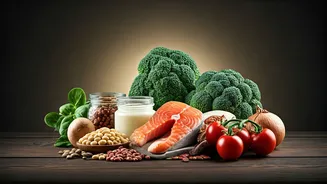
cold, flu, and various gut-related issues. [3, 21, 26] As a result, strengthening the immune system becomes a priority. The focus shifts from just comfort food to meals that are light, nutritious, and packed with ingredients that actively support our body's ability to fight off infections. This isn't about magic cures, but about providing your body with the right nutritional tools to function at its best. [23]
The Rise of Probiotic Power
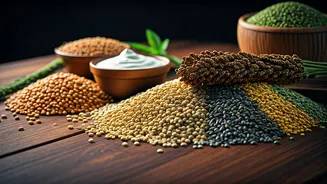
A key trend is the renewed appreciation for gut health, with the understanding that a significant portion of our immune system resides in our gut. [21] Probiotic-rich foods are front and center. Traditional choices like homemade curd (yogurt) and buttermilk are being celebrated for their ability to support a healthy gut microbiome. [3, 10] Fermented foods, which are a cornerstone of many regional Indian diets, are also gaining popularity. This includes items like idli, dosa, and traditional pickles, which promote the growth of beneficial gut bacteria, helping to fend off gastrointestinal infections that are common during this season. [10, 24]
Herbal Teas and Kadhas Reimagined
The simple act of staying hydrated is being elevated with a focus on warm, herbal infusions. While chai is a perennial favourite, the trend is moving towards specific immunity-focused blends. [19] Herbal teas made with tulsi (holy basil), ginger, cinnamon, and black pepper are especially popular. [6, 8] These ingredients are revered in Ayurveda for their anti-inflammatory and antimicrobial properties. [7, 9] Traditional 'kadhas' or decoctions, combining several of these spices, are being consumed not just as a remedy for a cough or cold, but as a daily preventive measure to keep the body warm and resilient. [6, 20]
The Spice Box as a Medicine Cabinet
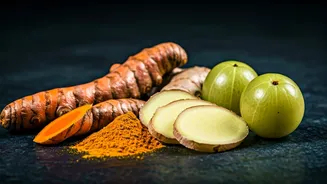
Indian cooking has always relied on a rich palette of spices, and this monsoon, their medicinal properties are being highlighted more than ever. Turmeric, with its powerful compound curcumin, is a star ingredient, often consumed in 'haldi doodh' (turmeric milk) for its anti-inflammatory and immune-boosting effects. [6, 9] Garlic, known for its antiviral properties, and ginger, which aids digestion and soothes sore throats, are being used generously in daily cooking. [7, 9] Spices like cloves, cumin, and fenugreek are also recommended for their ability to support digestion, which can be sluggish during the humid months. [17, 20]
Embracing Light, Seasonal Produce
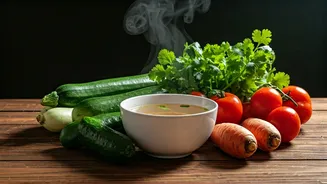
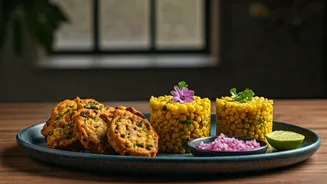
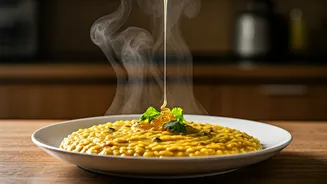
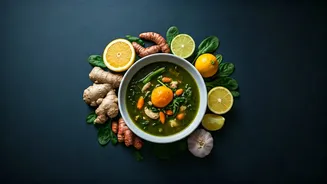
There is a strong emphasis on eating light, warm, and freshly cooked meals. [2, 15] Heavy, oily, and fried foods, including the much-loved pakoras, are being consumed in moderation, as they can be hard on the digestive system. [8, 19] Instead, the focus is on seasonal vegetables like gourds (lauki, turai), pumpkin, and bitter gourd (karela). [10, 17] These vegetables are not only easy to digest but are also packed with essential nutrients. Hot soups and broths made with these seasonal vegetables are a popular choice, providing both hydration and nourishment. [10, 20]
A Note of Caution
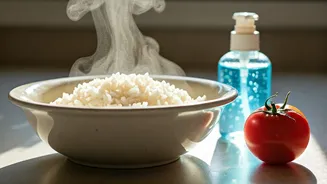
While embracing monsoon foods, there's also a growing awareness of what to be careful about. Street food, especially items exposed to open air and potentially contaminated water, is best avoided. [8, 26] Raw foods, like salads and cut fruits from outside vendors, pose a higher risk of carrying pathogens. [11, 15] Even leafy green vegetables, while nutritious, need to be washed with extreme care, preferably in clean, boiled, or treated water, to eliminate contaminants. [4, 7] The guiding principle is to favour freshly prepared, home-cooked meals where the hygiene of the ingredients and water is assured. [24]