





The Pre-Trip Planning Phase
The secret to a stress-free travel food experience begins a week before you even pack your bags. This is your prime 'holding time'. Start by considering the length of your journey and the number of meals you'll need. For overnight train trips, you'll need to plan
more carefully than for a six-hour road trip. Think about the preferences and dietary needs of everyone travelling. Are there kids who are picky eaters or elderly members who need simpler food? Make a master list of meals—breakfast, lunch, dinner, and snacks. This isn't about cooking complex dishes; it's about having a clear idea of what you’ll eat and when, which will guide your shopping and preparation. A good plan might involve a mix of fresh homemade food for the first day and reliable, non-perishable snacks for the rest of the trip.
Smart Shopping for the Journey
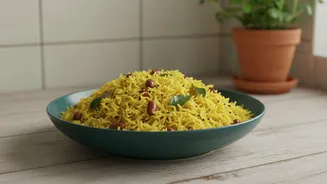
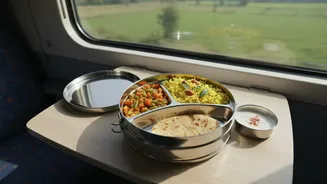
Once your plan is ready, it's time to shop. Focus on foods that are durable, require no refrigeration, and are easy to eat with minimal mess. For homemade meals popular in India, think about items that travel well like theplas, stuffed parathas, idlis, and lemon rice. For snacks, the options are plentiful. Roasted makhana (fox nuts), roasted chana (chickpeas), khakhra, whole wheat biscuits, and nuts are excellent choices that are both healthy and easy to carry. Trail mixes, granola bars, and fruit leather are also fantastic for keeping hunger at bay. When buying packaged goods, always check the shelf life to ensure it outlasts your trip, with a little extra margin for unexpected delays. And don't forget hydration—carry enough water, and perhaps some powdered drink mixes or tetra packs of buttermilk (chaas).
Prep and Pack Like a Pro
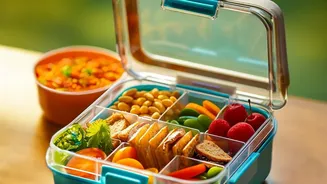
The day before your journey is for execution. Prepare any homemade items you've planned. Once cooked, allow everything to cool down completely before packing. Packing warm food can cause it to spoil faster due to trapped moisture. Use airtight and leak-proof containers to prevent spills and maintain freshness. For items like parathas or sandwiches, wrapping them in foil before placing them in a container can keep them fresh for longer. Portion out snacks into smaller, single-serving bags or containers. This makes them easy to grab and distribute, preventing the entire stash from getting stale. Label your containers if you’re carrying multiple meals; it saves you from having to open each one to see what's inside.
Organise Your Food Bag Strategically
How you organise your food bag is just as important as what you pack. Think in layers and categories. Keep the food you plan to eat first, like fresh homemade meals, at the top for easy access. Snacks that you'll reach for frequently should also be readily available. Group similar items together—all the dry snacks in one section, drinks in another. This system prevents you from having to empty the entire bag just to find a small packet of biscuits. If you're using a cooler for a road trip, a good strategy is to place block ice at the bottom, then meals, with grab-and-go items on the very top. A well-organised bag means less time rummaging and more time enjoying your journey.
A Mix of Homemade and Store-Bought
While homemade food offers a touch of comfort and is often healthier, don't shy away from supplementing it with convenient, ready-to-eat options. The reality of long journeys, especially on Indian trains, is that delays can happen. Having a few extra ready-to-eat meal packets, which only require hot water, can be a lifesaver when you're unexpectedly hungry between stations. This combination approach gives you the best of both worlds: the reliability and taste of home-cooked food for the initial part of your trip, and the convenience and long shelf-life of packaged items as a backup. This balanced strategy ensures you are never left dependent on the limited or questionable options available from platform vendors.