



The End of the Single-Light Era
The purely functional approach to lighting is fading. A single, harsh overhead light can make a room feel flat, sterile, and unwelcoming, casting unflattering shadows. As homes have become multi-functional spaces for work, relaxation, and entertaining,
the need for more adaptable and atmospheric lighting has grown. The shift is towards treating light fixtures as key decorative elements in their own right, chosen as much for their form and material as for their brightness. This new approach focuses on creating an inviting environment that feels personal and comfortable, moving beyond mere illumination to enhance the mood and highlight the decor of a space.
The Magic of Layered Lighting
The secret to a well-lit home is layering. Interior designers combine three main types of lighting to create depth, flexibility, and character. The first is 'ambient lighting', which provides the room's overall base illumination, like a soft glow from a chandelier or recessed ceiling lights. Next is 'task lighting', which is focused light for specific activities such as reading or cooking, provided by fixtures like desk lamps or under-cabinet strips. Finally, 'accent lighting' adds drama and personality by highlighting artwork, architectural details, or decor. This can be achieved with spotlights or wall sconces. Together, these three layers allow a room's atmosphere to change based on the occasion or time of day.
Choosing Your Fixtures
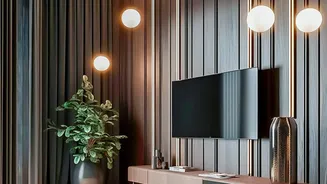
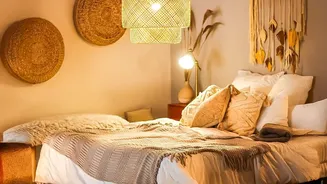
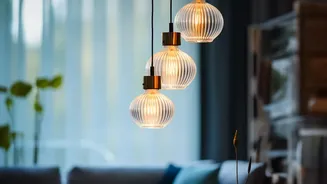
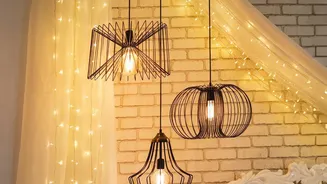
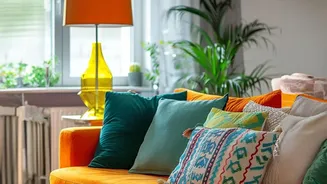
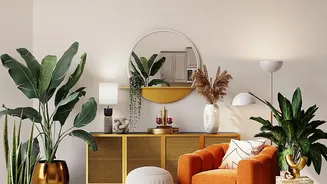
This layered approach opens up a world of decorative possibilities. For ambient light, instead of a stark tube light, consider a chandelier, a stylish flush-mount fixture, or even a series of pendant lights. Wall sconces are excellent for adding a soft, ambient glow while also acting as accent pieces. For task lighting, a sculptural floor lamp next to a sofa or elegant pendant lights over a dining table can become focal points. The biggest trend is towards fixtures made from natural and textured materials. Lampshades in jute, rattan, and bouclé fabric are increasingly popular, as they diffuse light beautifully and add a sense of organic warmth. Fixtures featuring brushed brass, natural stone like marble, and amber-toned glass are also in vogue, replacing the cool, high-polish chrome of the past.
Getting the 'Warmth' Right
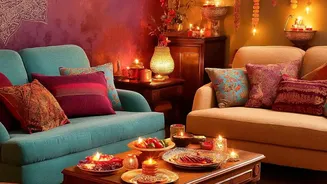
A crucial element in this shift is the colour temperature of the bulb itself, measured in Kelvin (K). Many office and retail spaces use 'cool white' light (4000K and above), which can appear bluish and feel clinical in a home setting. For the cozy, inviting atmosphere that is now in demand, 'warm white' bulbs are the answer. Look for a Kelvin rating between 2700K and 3000K. This range produces a soft, golden glow similar to candlelight or a sunset, which is psychologically linked to feelings of relaxation and comfort. This warm light is especially flattering for the earthy tones, wood finishes, and rich textiles often found in Indian interiors.
Practical Tips for Indian Homes
Adopting this trend doesn't require a complete overhaul. Start by adding a single decorative table or floor lamp to a living room corner to see the immediate difference. For renters, the rise of stylish, plug-in options like portable cordless lamps and floor lamps means you can create a layered scheme without any wiring changes. When combining different light sources in one room, try to keep the colour temperature consistent for a cohesive look. Using dimmers is also a game-changer, allowing you to adjust brightness levels from energetic and bright for a party to soft and low for a quiet evening in.