



The Rise of Guilt-Free Indulgence
In the world of Indian sweets, tradition is paramount. Yet, a new wave of health-consciousness is gently rewriting the rules. We still crave the comforting flavours of our childhood—the rich malai, the fragrant cardamom, the slow-churned goodness—but
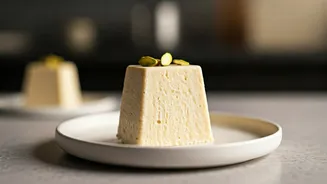
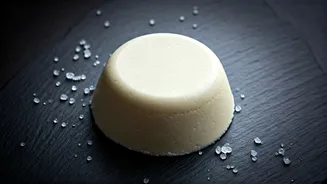
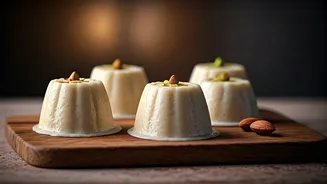
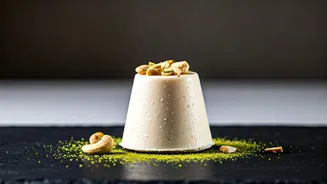
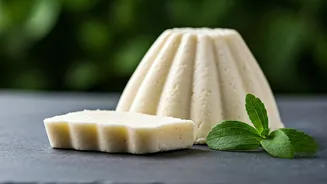
we're also seeking ways to enjoy them more mindfully. This is where the viral cashew almond kulfi comes in. It represents a perfect marriage of nostalgia and modern wellness. It’s not about deprivation; it's about smart substitution. Social media has amplified its appeal, with home cooks and food bloggers showcasing stunning photos of their creations, proving that 'healthy' can also be incredibly decadent and visually appealing.
Deconstructing the Dessert
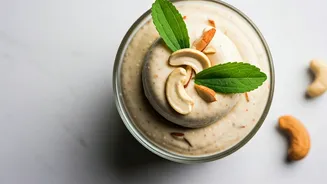
What makes this kulfi so special? The magic lies in its simple, yet ingenious, ingredient list. First, the base: instead of heavy cream or khoya, it uses a blend of soaked cashews and almonds. When blitzed with water, these nuts transform into a luxuriously thick and creamy liquid that beautifully mimics the texture of traditional kulfi, while adding its own distinct, rich flavour. Second, the sweetener: stevia replaces sugar entirely. This plant-based, zero-calorie sweetener provides the desired sweetness without the glycemic impact of sugar, making the dessert accessible to a wider audience. Finally, it’s still kulfi. It’s frozen slowly, without churning, which gives it that characteristic dense, slightly icy texture that melts slowly in your mouth, a welcome sensation in the Indian heat.
The Stevia Solution
For many, the mention of an alternative sweetener can be a deal-breaker, often due to concerns about a bitter aftertaste. However, stevia has come a long way. Modern, high-quality stevia extracts are formulated to minimise any lingering bitterness, especially when paired with strong, rich flavours like nuts and cardamom. In a frozen dessert like kulfi, the cold temperature also helps to mute any potential aftertaste, leaving you with a clean, pleasant sweetness. The key is to use it judiciously. Most stevia products are far sweeter than sugar, so a little goes a long way. Always follow the conversion instructions on the packaging to get the balance just right, ensuring your kulfi is sweet, not saccharine.
Your Step-by-Step Kulfi Recipe
Ready to try it yourself? Here’s a simple, reliable method. Start by soaking half a cup of cashews and half a cup of blanched almonds in hot water for at least one hour (or in cold water for 4-6 hours). This is crucial for achieving a smooth, creamy texture. Drain the nuts and add them to a high-powered blender with one cup of water. Blend on high for 2-3 minutes, or until the mixture is completely smooth and silky, with no graininess. This is your kulfi base. Next, pour the nut cream into a saucepan. Add your stevia to taste—start with the equivalent of 4-5 tablespoons of sugar and adjust from there. Stir in half a teaspoon of cardamom powder and a pinch of saffron strands for authentic flavour and colour. Heat the mixture on low, stirring constantly, for about 5-7 minutes until it thickens slightly. Do not let it boil. This step helps cook the raw flavour out of the nuts and meld the flavours together.
Finishing and Freezing
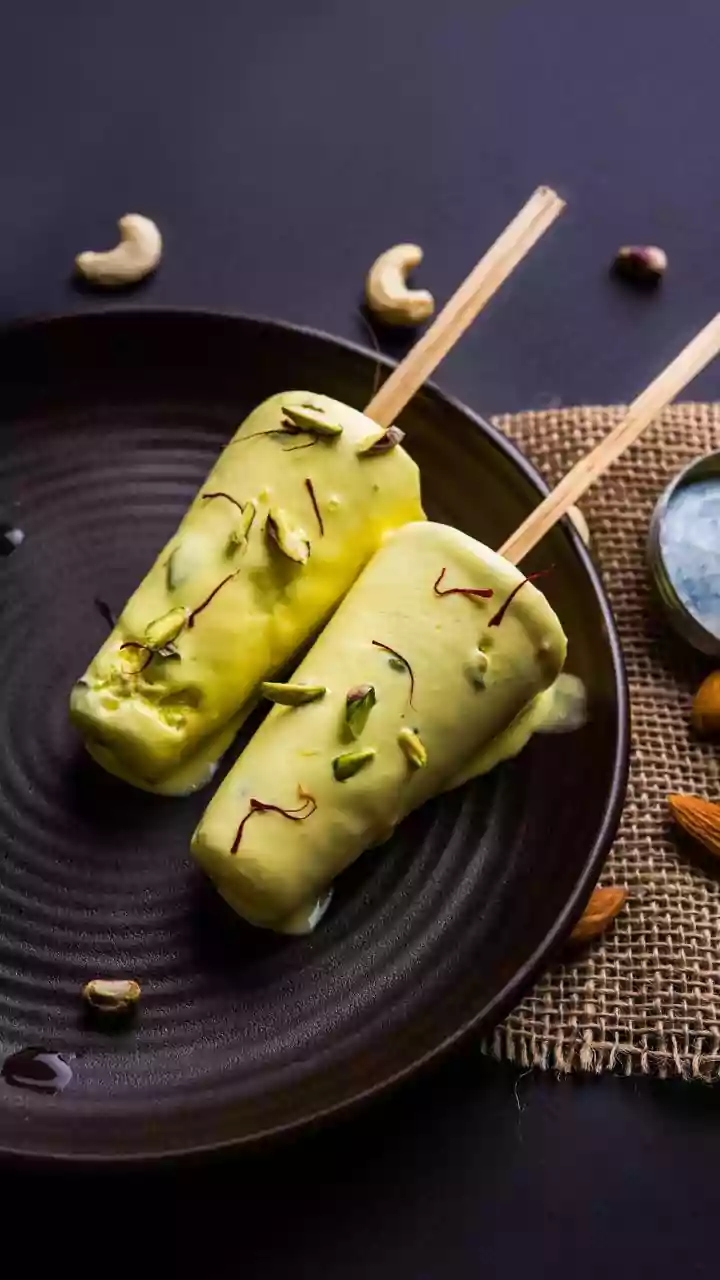
Once thickened, remove the mixture from the heat and let it cool completely to room temperature. This prevents ice crystals from forming. For extra richness, you can stir in two tablespoons of almond flour or finely chopped pistachios. Once cool, pour the mixture into traditional kulfi moulds, small glasses, or even an ice cube tray. Cover with foil and insert a wooden stick if you like. Freeze for at least 6-8 hours, or overnight, until solid. To serve, briefly run the outside of the mould under warm water to loosen the kulfi, then gently pull it out. Garnish with more chopped nuts or a sprinkle of saffron for that social-media-worthy finish.