



Goodbye to the Showhome
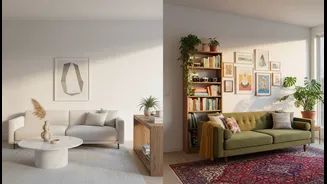
The long reign of stark minimalism, with its clean lines, neutral palettes, and obsession with decluttering, is finally giving way to a more human-centric approach. For years, design trends pushed a vision of perfection that often felt cold, impersonal,
and difficult to maintain. Homes began to resemble pristine showrooms or museums, where a single misplaced item could disrupt the entire aesthetic. This push for flawlessness, amplified by perfectly curated social media feeds, created a standard that was often unachievable and, for many, undesirable. The backlash has been a collective exhale—a move away from spaces that look untouched and toward homes that feel genuinely lived in.
The Rise of Lived-In Aesthetics
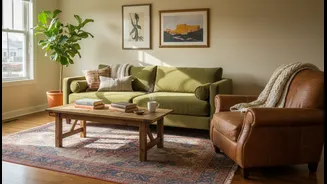
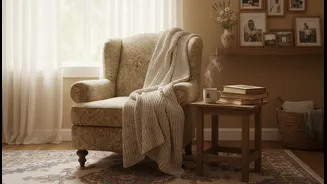
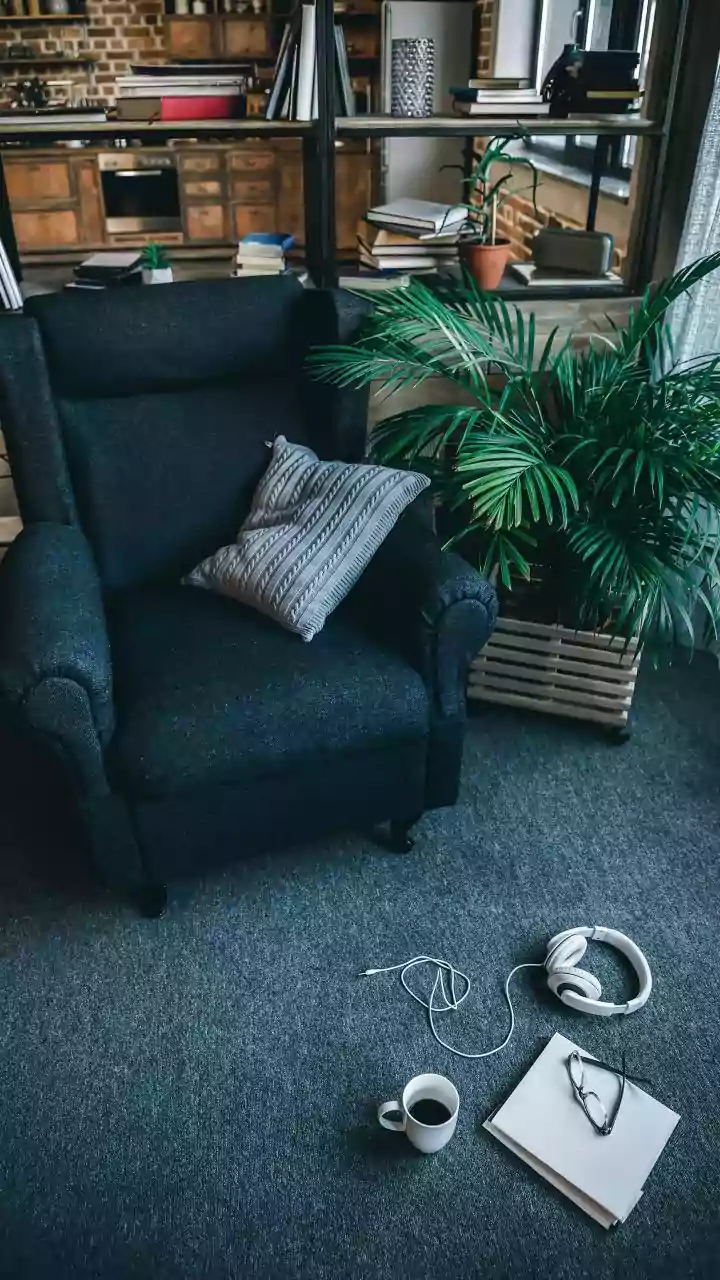
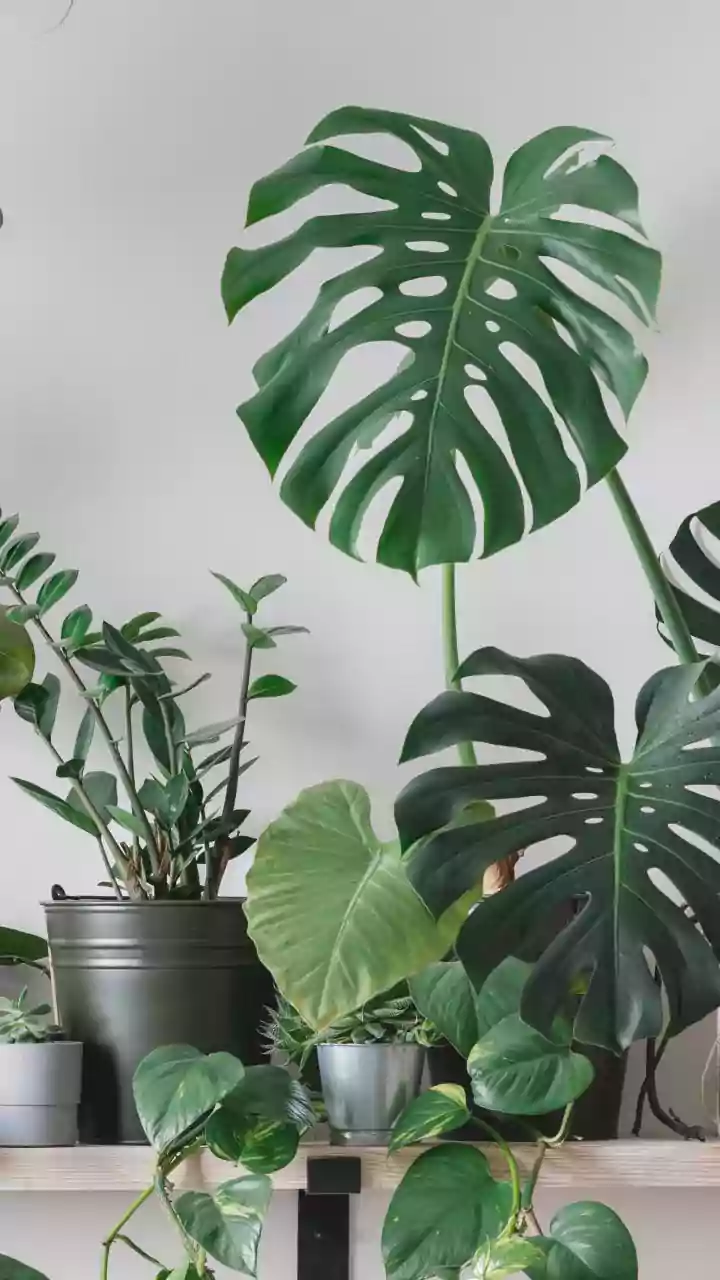
So, what does this 'imperfect era' look like? It's less a single style and more of a philosophy. It finds beauty in items that show their age and history, a concept rooted in the Japanese philosophy of wabi-sabi. Wabi-sabi celebrates the transient and imperfect, finding value in a scratch on a wooden table or the uneven glaze of a handmade ceramic bowl. This trend also overlaps with 'cluttercore' and 'cosy maximalism', which encourage displaying meaningful objects and collections. It's not about messy hoarding, but a curated abundance of books, plants, art, and trinkets that tell your personal story. The goal is to create a comfortable, inviting cocoon that reflects your personality.
A Reaction to Digital Perfection
This movement is more than just a visual preference; it's a cultural response to an increasingly digital and polished world. The pressure to present a flawless life online has extended to our living spaces, and many are now seeking an offline sanctuary that is real and forgiving. The 'imperfect' home is an act of rebellion against the algorithm, prioritising authenticity over aesthetics. It’s about creating a space where you can be yourself, free from the need to maintain an illusion of perfection. Homes are becoming places for living, not just for showcasing. This shift places value on emotional comfort and individuality, acknowledging that real life is a bit messy, and that's perfectly fine.
Every Object Tells a Story
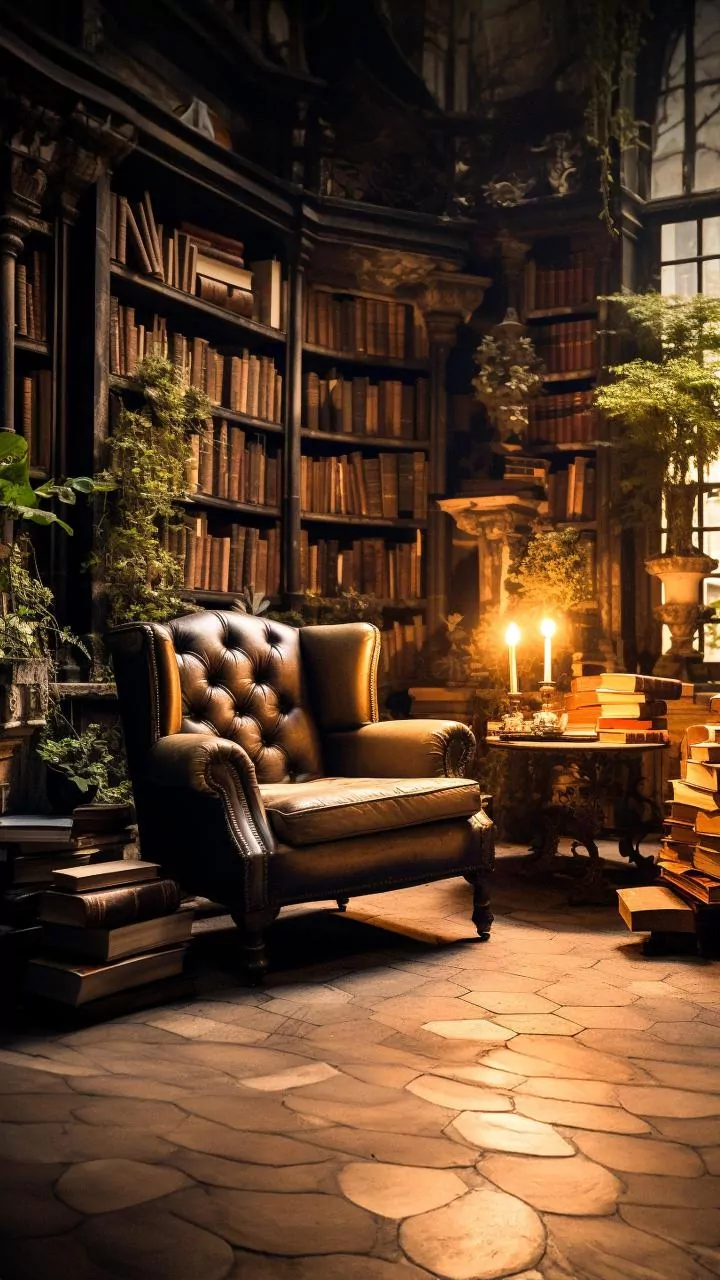
A key element of the imperfect aesthetic is the focus on items with history and character. This means embracing vintage finds, family heirlooms, and handcrafted pieces. Choosing a distressed wooden cabinet or a worn leather armchair adds a layer of narrative that new, mass-produced items often lack. This approach is also inherently sustainable, giving new life to pre-loved objects and reducing waste. Instead of hiding signs of wear, this trend celebrates them as part of an object's journey. Those small cracks, faded colours, and signs of use are not flaws; they are evidence of a life lived, adding soul and depth to your home.
How to Cultivate Cosy Imperfection
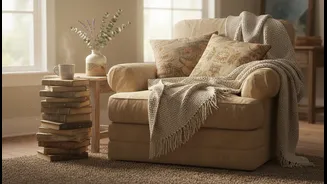
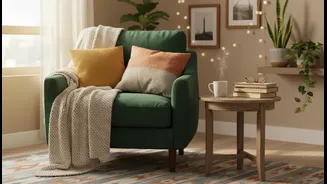
Embracing this trend doesn't mean letting your home descend into chaos. It's about intentional choices. Start by surrounding yourself with things you truly love, regardless of whether they 'match'. Mix old and new, high-end and thrifted. Play with textures like natural woods, linen, wool, and stone to add warmth and depth. Don't be afraid to display your collections, photos, and travel souvenirs; these are the things that make a space uniquely yours. Above all, be patient. A truly authentic home is built over time, not ordered from a catalogue. It evolves with you, reflecting your story and your journey.