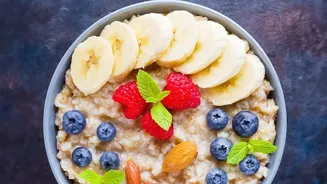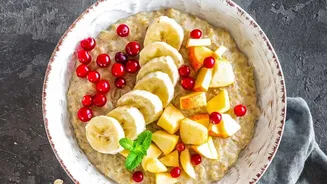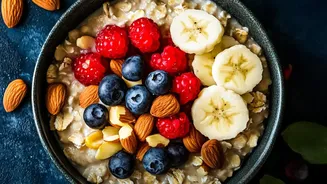







The universal challenge of a hectic morning often forces a difficult choice for breakfast. Enter two oat-based contenders: cosy, hot porridge and convenient, chilled overnight oats. But does one really save you more time when it matters most?
The Ultimate Morning Time Trial
Let's be
direct: the headline is true. In the contest for morning speed, overnight oats win by a significant margin. The 'work' for overnight oats is done the night before—a few minutes spent combining rolled oats with a liquid like milk or yogurt in a jar. In the morning, your active time is mere seconds: grab the jar, add a topping if you wish, and your breakfast is served. Hot stovetop porridge, on the other hand, demands real-time attention. You need to get out a pan, measure oats and liquid, bring it to a boil, and simmer while stirring for anywhere from 5 to 15 minutes to prevent sticking and achieve that creamy consistency. After eating, you're left with a pot that often requires a good scrub. So, while the total preparation time might be similar when you factor in the previous night's effort for oats, the time saved during the precious morning rush is undeniable.
A Surprising Nutritional Showdown
While both breakfasts start with the same healthy whole grain, the preparation method creates subtle but important nutritional differences. The star of overnight oats is resistant starch. Because the oats are soaked cold rather than cooked, they retain significantly more of this unique carbohydrate. Resistant starch 'resists' digestion in the small intestine, instead feeding beneficial gut bacteria and promoting a more stable blood sugar response, which can help you feel fuller for longer. Soaking also helps break down phytic acid, an anti-nutrient that can inhibit the body's absorption of minerals like iron and zinc. On the other hand, a warm breakfast like porridge can be easier on the digestive system for some, as the body doesn't need to expend extra energy warming it up. Cooking also makes the beta-glucan fibre in oats, known for its cholesterol-lowering benefits, slightly more available. Ultimately, both are healthy, but your choice might depend on whether you want to prioritise gut health and mineral absorption (overnight oats) or digestive ease (hot porridge).
Flavour, Texture, and Customisation
This is where personal preference reigns. Hot porridge offers a comforting, creamy, and uniform texture. It’s a perfect canvas for flavours that meld together when heated, like a swirl of brown sugar, a sprinkle of cinnamon, or melted butter. The warmth itself is a ritual for many, especially on a cool morning. Overnight oats offer a different experience entirely. The texture is denser, more like a pudding. It's ideal for creating layers of flavour and texture that remain distinct—think a stripe of fruit compote, a crunchy layer of nuts and seeds, or a dollop of nut butter. Because they are prepared in individual jars, they are infinitely customisable for different family members and can be made several days in advance, ready for a grab-and-go start.
Beyond the Clock: The Lifestyle Fit
The choice between these two breakfasts often comes down to your personality and what you need from your morning routine. For some, the act of slowly stirring a pot of porridge is a mindful, grounding ritual that provides a gentle start to the day. It’s a moment of calm before the chaos. For others, the mental freedom of waking up to a prepared breakfast is the ultimate luxury. It eliminates one more decision from a crowded morning, reducing stress and ensuring a nutritious meal is ready no matter how little time you have. This 'set it and forget it' approach can be a game-changer for those who consistently struggle to fit in a healthy breakfast.