


Beyond the Usual Chai
For centuries, communities across the Himalayas have brewed wellness in a cup using local flowers, leaves, and berries. These naturally caffeine-free herbal infusions are deeply tied to the seasons and traditional medicine, offering a taste of the region's
unique biodiversity. Unlike the black teas from Assam or Darjeeling, these brews are almost always enjoyed without milk, allowing their delicate and complex flavours to shine. They represent a side of India's vast tea culture that remains largely unexplored, a tradition steeped in nature rather than steeped with milk and sugar. As we look for healthier and more authentic beverage experiences, these forgotten Himalayan teas are finding a new voice.
Buransh: The Crimson Flower Tea
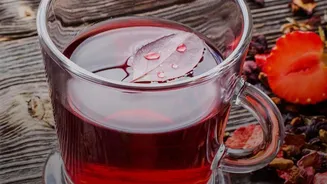
One of the most visually stunning Himalayan infusions is made from the petals of the Rhododendron arboreum, locally known as Buransh. During spring, the hills of Uttarakhand and Himachal Pradesh are set ablaze with these vibrant red flowers. Locals handpick and sun-dry the petals to create a tea that is both beautiful and beneficial. The resulting brew has a delicate floral sweetness with a slightly tangy finish. Traditionally, Buransh tea is consumed for its purported heart and liver benefits and is known to be rich in antioxidants. It is considered a welcoming drink and a natural remedy for fatigue, making it a true essence of Himalayan hospitality.
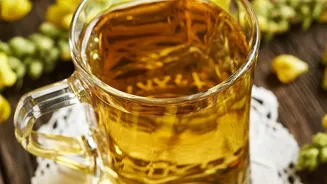
Sea Buckthorn: The Tangy Super-Berry
Known as the 'elixir of the Himalayas', sea buckthorn tea is made from the bright orange berries of a hardy shrub that grows in the high-altitude desert regions of Ladakh and Lahaul-Spiti. These berries are a powerhouse of nutrients, particularly Vitamin C. The tea, which can be made from either the berries or the leaves, has a distinctively tangy, citrusy flavour that is incredibly refreshing. Traditionally consumed by mountain communities for an immunity boost and vitality, this caffeine-free infusion is now gaining recognition as a superfood beverage. It can be enjoyed hot or cold and offers a zesty alternative to conventional teas.
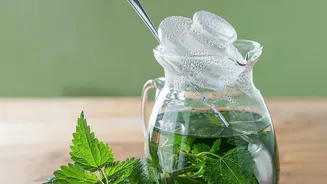
Kandali Chai: The Stinging Nettle Brew
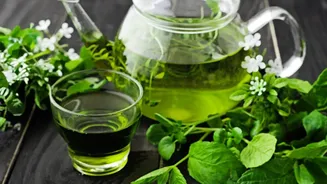
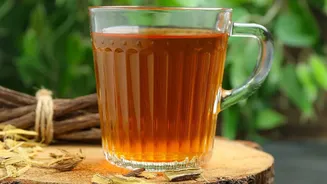
The idea of making tea from stinging nettle might sound intimidating, but it is a cherished tradition in the mountains of Uttarakhand and Himachal Pradesh, where it's known as 'Kandali' or 'Bichhu Ghas'. Once the leaves of the Urtica dioica plant are dried or blanched, they lose their sting completely. The resulting infusion is a smooth, earthy, and surprisingly gentle green-tasting tea. It is highly regarded in local folklore as a remedy for joint pain and a source of essential minerals. This humble 'weed' transforms into a deeply nourishing and grounding beverage, embodying the resourcefulness of Himalayan culinary traditions.
Himalayan Tulsi: The Sacred Herbal Infusion
While Tulsi (Holy Basil) is revered across India, the variety that grows in the Himalayas has a unique potency. Often found in household courtyards, Himalayan Tulsi is a staple for everyday wellness infusions. The tea has a warm, spicy aroma with notes of clove and pepper. It’s a comforting, caffeine-free brew enjoyed at any time of day for its calming properties and to help ward off seasonal colds. Often blended with other mountain herbs like lemongrass or mint, Himalayan Tulsi tea is a simple yet profound ritual that connects the drinker to the sacred plant traditions of the region.