


The Life and Times of the Statement Sofa
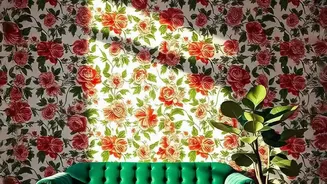
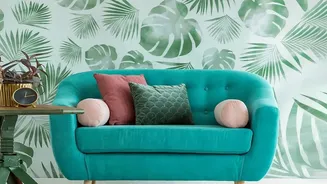
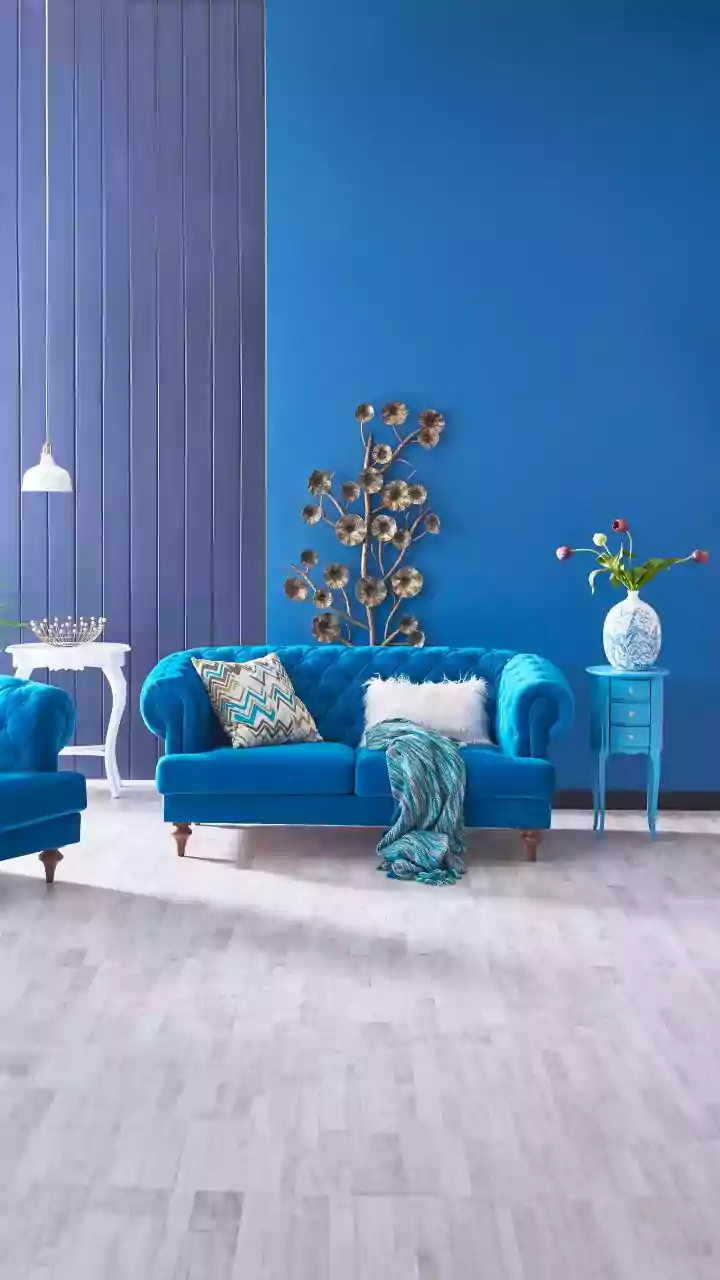
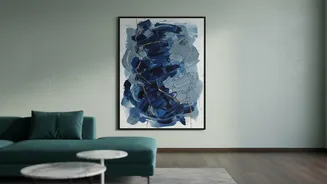
It seemed to happen all at once. Suddenly, our social media feeds were flooded with perfectly plump sofas in jewel tones and vibrant, look-at-me hues. The 2026 bold-sofa trend was a direct, joyful response to years of minimalist greys and whites. It was about
personality, confidence, and creating an Instagram-worthy focal point in the most important room of the house. For many, buying that velvet mustard or deep teal sofa was an exhilarating design choice. It instantly injected life into tired spaces. But a single, dominant piece of furniture can also be a design trap, leaving homeowners wondering how to decorate around it and what to do when the novelty wears off. The trend served its purpose, but it has left many wanting a more nuanced and sustainable approach to colour.
Thinking Beyond a Single Piece
The secret to a beautifully decorated home isn't about chasing one specific trend; it's about creating harmony. Professional designers often speak of a 'whole home colour scheme', an intentional palette that connects each room. This doesn't mean every room looks the same. Instead, it means creating a flow, where colours in one room whisper to the colours in the next. Moving from a 'statement piece' mindset to a 'holistic palette' mindset is the first step toward true colour confidence. Rather than letting a sofa dictate the entire room, a broader palette allows you to make more flexible and personal choices. Your home's colour story should be a foundation you build upon, not a single loud voice that drowns everything else out.
Embracing the 'New Neutrals'
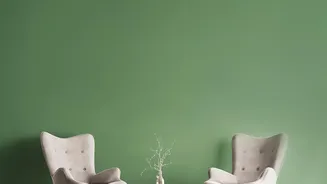
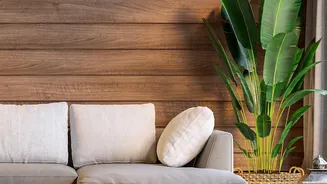
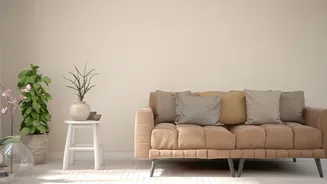
For years, 'neutral' meant grey, beige, or white. But the new palette for Indian homes is far warmer and more interesting. Earthy tones are replacing the cool greys that once dominated. Think of terracotta, sage green, dusty blues, warm browns, and muted mustards as the new foundation colours. These shades, often called 'new neutrals', are inspired by nature and create a sense of calm and groundedness. They are incredibly versatile, pairing beautifully with the natural light and wooden furniture common in Indian homes. A wall painted in a soft, earthy terracotta or a calming sage green provides warmth and depth without overwhelming the space, creating a perfect backdrop for other design elements.
The Sophistication of Layered Tones
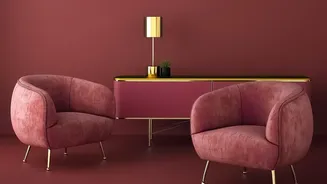
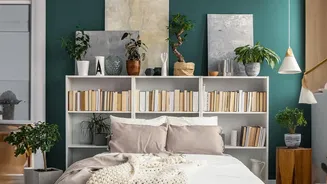
Instead of high contrast, the next wave of colour focuses on subtlety and depth. This involves using a tonal palette, where you decorate a room using various shades, tints, and tones of a single colour family. Imagine a living room built around green: the walls might be a soft sage, the curtains a deeper olive, with accent cushions in a brighter mint. This approach creates a sophisticated, immersive, and incredibly calming effect. It’s less about a single 'pop' of colour and more about a rich, layered experience. This method works with almost any hue, from earthy browns and warm terracottas to calming blues and greys. It makes a space feel intentional and professionally designed, yet deeply personal and comfortable.
Using Accents as the Supporting Cast
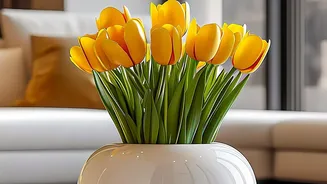
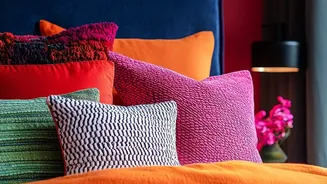
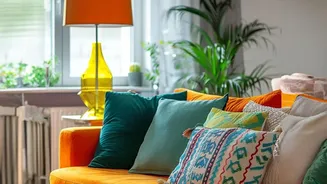
This doesn't mean your home has to be devoid of bright, bold colours. It just means reframing their role. If your main palette is built on warm neutrals and layered tones, bold hues become the exciting 'supporting characters' rather than the main star. This is a far more flexible and affordable way to play with trends. A splash of a jewel tone like emerald or plum can be introduced through cushions, a piece of art, a vase, or a throw blanket. These smaller items can be easily swapped out as your tastes change or as seasons shift, without requiring the commitment of a large, expensive piece of furniture. It allows for playfulness and personality, but within a cohesive and calming framework.