






Beyond Rote-Learned Food Groups
For decades, nutrition education in many Indian schools has been confined to a few pages in a science textbook. Students are taught to memorise the functions of carbohydrates, proteins, and fats, but these lessons often fail to translate into real-world
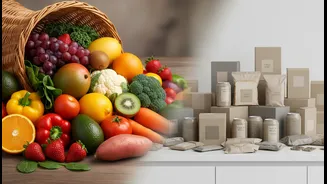
choices. The curriculum is frequently theoretical, lacking practical assignments and a connection to the food students actually encounter. This academic approach is often contradicted by the widespread availability of processed, energy-dense snacks in and around schools, creating a disconnect between what is taught and what is eaten. The result is a generation that can define a 'balanced diet' for an exam but lacks the practical skills to build one for themselves.
What is Food Literacy, Really?
Food literacy is much more than just nutrition knowledge; it's a practical, lifelong skill. It empowers individuals to understand the entire food system—from how food is grown and produced to how to select, prepare, and consume it in a way that supports health. It includes the ability to read and understand complex food labels, see through marketing claims, and make informed choices. Crucially, it also involves developing confidence in the kitchen, learning to cook, and fostering a positive relationship with food. It's the difference between knowing a vegetable is healthy and knowing how to buy it, cook it, and enjoy it as part of a meal.
Tackling the Double Burden
India is currently grappling with a 'double burden' of malnutrition: the simultaneous prevalence of undernutrition (like stunting and anaemia) and a rapid rise in overnutrition (overweight and obesity). Many children and adolescents suffer from micronutrient deficiencies, while consumption of ultra-processed foods drives up rates of obesity and related non-communicable diseases like diabetes. Food literacy offers a powerful tool to address both sides of this crisis. By equipping children with the knowledge to question their food environment, they can learn to choose nutrient-dense local foods over cheap, calorie-heavy snacks. This empowers them to navigate a world of conflicting food messages and make choices that genuinely nourish their bodies.
Reviving and Celebrating Local Diets
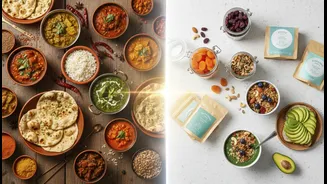
A robust food literacy program could also serve as a powerful bridge to India's rich and diverse culinary heritage. As globalised fast food culture becomes more pervasive, traditional diets—often inherently balanced, sustainable, and suited to local climates—are at risk of being forgotten. Food literacy can reintroduce children to the value of regional ingredients and preparations. School gardens, cooking classes focused on local recipes, and discussions about the seasonality of produce can build a sense of pride and connection to their own food culture. This not only preserves cultural knowledge but also promotes diets that are often healthier and more environmentally sustainable.
Creating a Generation of Savvy Consumers
The impact of food literacy extends far beyond the school gates. Children who understand food become catalysts for change within their own families and communities. They can influence household purchasing decisions, question unhealthy eating habits, and grow into adults who are savvy consumers. This creates a ripple effect, fostering a population that demands better food standards, transparency from manufacturers, and healthier options in the marketplace. By moving from passive instruction to active empowerment, food literacy equips young people with the critical thinking skills needed to build a healthier future not just for themselves, but for the nation.