







The High Price of Urban Eating
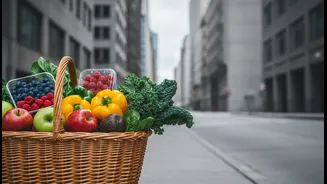
The first piece of the puzzle is economics. In cities, the journey from farm to plate is long and costly. Complicated supply chains, storage, and transportation add layers of expense that ultimately land on the consumer's bill. This is why the vegetables
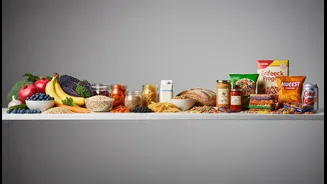
at a city supermarket or local vendor can cost significantly more than they do closer to the source. Inflation further squeezes household budgets, making essential food items more expensive. This economic pressure disproportionately affects lower-income families, who spend a larger portion of their income on food. When fresh produce becomes a luxury, cheaper, energy-dense processed foods become the default option, contributing to a dual burden of malnutrition where undernutrition coexists with rising rates of obesity and lifestyle diseases.
Designed for Concrete, Not Cuisine
How a city is built directly impacts how its residents eat. Much of India's rapid urbanisation has prioritized roads and real estate over spaces for food. As cities expand, agricultural land on the periphery is often concretised, pushing food production further away. This sprawl can create 'food deserts'—neighbourhoods, often in low-income areas but also sometimes in upscale ones, where access to fresh, affordable produce is severely limited. Residents may find an abundance of convenience stores selling packaged snacks but no markets with fresh fruits and vegetables. Without easy access to traditional mandis or well-stocked grocery stores, obtaining healthy food requires a car or a long trip on public transport, a significant barrier for many.
The Scarcity of Time
The third critical factor is time—or the lack of it. The fast-paced nature of urban life, marked by long work hours and draining commutes, creates 'time poverty'. This is especially pronounced for women, who often bear the double burden of professional work and unpaid domestic labour. With limited hours in the day, the convenience of ordering in or grabbing quick, processed meals often wins over the time-consuming tasks of grocery shopping and cooking from scratch. This reliance on convenience foods, while practical, has significant health consequences. These meals are often high in salt, sugar, and unhealthy fats, contributing directly to the rise of non-communicable diseases like diabetes and hypertension that are plaguing urban India. The lack of time effectively outsources our diets, trading nutrition for convenience.