







Decode the Official Weather Alerts
Before you even pack your bags, your first stop should be the India Meteorological Department (IMD) forecast. The IMD uses a colour-coded system to warn citizens about the severity of weather. A 'Green' alert means all is well, while a 'Yellow' alert advises
you to 'Be Aware', suggesting the possibility of moderate rain and localised flooding. An 'Orange' alert is a sign to 'Be Prepared' for heavy rainfall that could disrupt transport and power. If you see a 'Red' alert, it means 'Take Action'. This is the highest warning, indicating extremely heavy rain with a significant threat to life and property. Travel under a red alert is strongly discouraged.
Know Your Destination’s Terrain
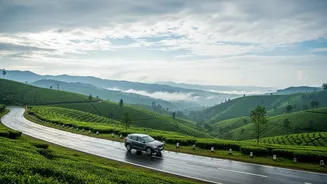
Not all destinations are equal during the monsoon. Hilly and mountainous regions in states like Himachal Pradesh, Uttarakhand, and parts of the Western Ghats become highly susceptible to landslides after prolonged rain. Rain saturates the soil, making slopes unstable. Key warning signs include new cracks in the ground, leaning trees, or a sudden change in water flow from clear to muddy in streams. Coastal areas and low-lying plains, on the other hand, are more prone to waterlogging and flash floods. A flash flood can happen rapidly, and just six inches of moving water is enough to knock a person down. Research your destination's specific risks and avoid areas with a recent history of landslides or flooding during heavy rain forecasts.
On-the-Road Red Flags to Watch For
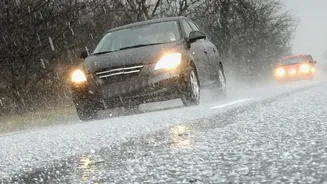
If you decide to drive, stay vigilant. The first few hours of rain can be the most dangerous, as rainwater mixes with oil and grime on the road, making it incredibly slick. Always reduce your speed, increase the distance from the vehicle in front, and use dipped headlights for better visibility. Never drive through waterlogged streets or flooded roads. It is impossible to judge the depth of the water, and just two feet of rushing water can sweep away an SUV. If you see collapsed pavement, fallen rocks, or mud on the road, especially in hilly areas, it's a clear sign of instability and a good reason to turn back. Avoid driving at night in the hills during a downpour, as visibility is poor and the risk of falling debris is higher.
Your Pre-Trip Safety Checklist
A little preparation goes a long way. Before you leave, run through this final checklist. First, check your vehicle. Ensure your tyres have adequate tread, and your wipers and headlights are in perfect working order. Pack an emergency kit containing essentials like a first-aid kit, a torch, a fully charged power bank, dry snacks, and drinking water. Share your detailed itinerary, including your route and accommodation details, with a family member or friend. It's also wise to book hotels with flexible cancellation policies, as the weather might force a last-minute change of plans. Finally, save offline maps and important emergency contacts on your phone, as network connectivity can be unreliable in remote areas during bad weather.