





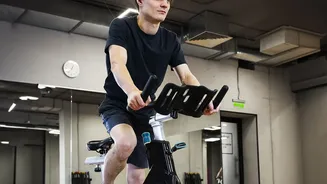


The HIIT Hangover: Too Much of a Good Thing?
High-Intensity Interval Training (HIIT) has been praised for its efficiency, promising big results in short bursts. For many, it's the perfect solution to a packed schedule. However, for the chronically tired and stressed—a common profile for many office
workers—intense exercise can be a double-edged sword. HIIT is a significant physical stressor. During a session, your brain signals a 'fight-or-flight' response, flooding your system with the stress hormone cortisol. While this response is beneficial in short, controlled doses and helps drive fitness adaptations, problems arise when your baseline stress levels are already high. If you're dealing with work deadlines, poor sleep, and constant mental fatigue, adding intense workouts can keep your cortisol levels elevated, potentially leading to burnout, disrupted sleep, and even more fatigue instead of the revitalization you seek.
The Case for Slowing Down: Introducing Zone 2
Enter Zone 2 cardio, a low-intensity training style that is gaining significant attention from longevity experts and exercise scientists. Unlike HIIT’s all-out sprints, Zone 2 is about steady, sustained effort. It's often called 'base training' because it builds the foundation of your cardiovascular fitness. The goal isn't to feel breathless or completely exhausted. Instead, it’s about finding a rhythm you can maintain for a longer duration, like 30 to 60 minutes. The perfect example for most people? A brisk walk. This approach works with your body, especially when it's already under strain, providing a way to build fitness without piling on more stress.
What Is Zone 2, Exactly?
Zone 2 refers to exercising at 60% to 70% of your maximum heart rate. A simple way to estimate your max heart rate is to subtract your age from 220. For a 40-year-old, the max would be 180 beats per minute (bpm), making their Zone 2 range approximately 108 to 126 bpm. However, the easiest way to know you're in the zone is the 'talk test'. You should be able to hold a conversation in full sentences without gasping for air. If you can sing, you're going too slow; if you can only get out a word or two, you're pushing too hard. At this intensity, your body undergoes some quiet magic. It becomes incredibly efficient at using fat for fuel and improves the function of your mitochondria—the tiny powerhouses inside your cells responsible for energy production.
Building Your Energy Engine, Not Burning Out
For the tired office worker, the primary benefit of Zone 2 isn't just about burning fat; it's about building a bigger, more efficient energy engine. By improving mitochondrial function, Zone 2 training increases your body's overall capacity to produce energy. This translates directly into feeling more energetic throughout your workday, not just during exercise. It builds your aerobic base, which means everyday activities—like climbing stairs or running for the bus—become easier. Unlike HIIT, which can be taxing and requires significant recovery, Zone 2 sessions are less stressful on the body, allowing you to exercise more consistently without risking burnout or injury. This makes it a sustainable practice for long-term health and consistent energy levels.
Your Practical Brisk Walking Plan
Integrating Zone 2 into your life doesn't require a gym membership or fancy equipment. A brisk walk is one of the most accessible and effective Zone 2 workouts. Aim for three to four sessions per week, each lasting 30 to 60 minutes. To ensure you’re in the right zone, walk at a pace that elevates your heart rate but still allows you to chat comfortably. This might mean walking at around 5-6.5 km/h or finding a route with a gentle incline. You can take a walking meeting over the phone, use your lunch break for a quick loop around the block, or invest in an under-desk treadmill for your home office. The key is consistency. By swapping a couple of high-stress HIIT days for these rejuvenating walks, you may find your energy, mood, and overall fitness improving more than ever.