
The August Gauntlet for Balcony Gardens
If your balcony feels like a sauna this August, imagine what your potted plants are going through. This month represents a perfect storm of stressful conditions. The air is thick with moisture, which sounds good for plants, but when combined with high
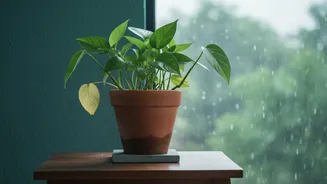
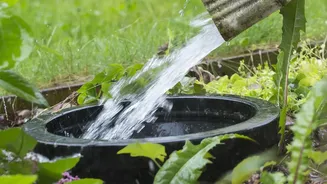
heat, it creates an environment ripe for problems. Then come the monsoon downpours. A single heavy shower can completely saturate a pot, leaving the plant's roots sitting in a stagnant pool of water. This combination of high humidity and waterlogged soil is what we call the 'balcony test'—a trial by fire and water that many common plants are simply not equipped to handle.
The Science of a Suffocating Pot
The primary killer of potted plants during the monsoon is not the rain itself, but what it leads to: root rot. Plant roots need oxygen to survive and function, which they get from air pockets in the soil. When a pot becomes waterlogged, these air pockets fill with water, effectively suffocating the roots. The constantly damp and warm conditions are also an open invitation for fungal diseases like powdery mildew to flourish. Leaves may turn yellow, stems can become mushy, and you might notice a musty smell from the soil—all signs that your plant is losing its battle with excess moisture.
Meet the Monsoon Champions
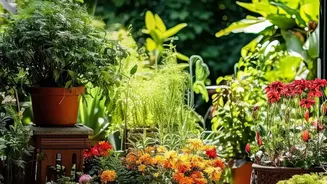
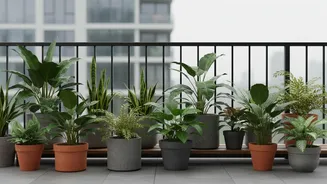
The secret to a thriving August balcony is not to fight the weather, but to choose plants that are adapted to it. Several species naturally thrive in high humidity and can tolerate the 'wet feet' of a monsoon downpour far better than their desert-dwelling cousins like succulents and cacti, which should be moved under cover. These waterlogging-resistant heroes often have thinner leaves and are native to tropical, rainy climates. They don't just survive the monsoon; they flourish in it.
Plant Profile: Spider Plant (Chlorophytum comosum)
The spider plant is a classic for a reason. It's incredibly resilient and forgiving. During the monsoon, its tolerance for moisture means it's less prone to root rot than many other houseplants. The high humidity actually encourages it to grow faster and produce more of its signature 'babies' or plantlets. These can be easily snipped and potted to create new plants for free, making it a gift that keeps on giving through the rainy season.
Plant Profile: Peace Lily (Spathiphyllum)
Peace lilies are native to tropical rainforest floors, so they are genetically programmed to handle humidity and lower light conditions—perfect for overcast monsoon days. While they don't like to sit in water indefinitely, their roots are more robust against occasional waterlogging than many other flowering plants. Their lush, dark green leaves look particularly vibrant in the humid air, adding a touch of elegance to a rain-swept balcony.
Plant Profile: Areca Palm (Dypsis lutescens)
If you want to create a tropical vibe, the Areca Palm is an excellent choice. It thrives in the warm, humid conditions typical of the Indian monsoon. These palms appreciate consistently moist soil, so they are less fussy about the frequent rains. They also help improve air circulation with their feathery fronds, adding both beauty and function to your balcony space during the steamiest months of the year.
Smarter Care for a Soaked Season
Choosing the right plant is half the battle; the other half is smart management. The most crucial step is ensuring every pot has functional drainage holes. Elevating pots on stands or bricks prevents them from sitting in puddles on the balcony floor, allowing excess water to escape freely. It’s also wise to use a light, well-draining potting mix containing materials like coco peat or perlite, rather than heavy garden soil that compacts when wet. Finally, on days with heavy rain, skip manual watering entirely. Always check the soil moisture before reaching for the watering can.