







Upgrading Gateways to the City
The first point of contact for most visitors is undergoing a significant transformation. Varanasi's Lal Bahadur Shastri International Airport is being expanded to handle a much higher volume of flights and passengers, with a new runway tunnel being built
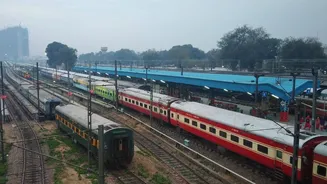
to improve road connectivity underneath. The city's three main railway stations—Varanasi Cantt, Banaras, and Kashi—are part of an integrated redevelopment plan. The Banaras City Railway Station, for instance, has been revamped with airport-style amenities, including modern lounges, escalators, and improved passenger information systems, a stark contrast to the chaotic stations of the past. The goal is to more than double the city's daily train-handling capacity, preparing for a future with even greater visitor numbers. On the roads, a new six-lane elevated corridor across the Ganga has been approved to decongest the city's arterial routes, making travel to key landmarks like the Kashi Vishwanath Temple and Banaras Hindu University significantly faster.
A Smarter, Safer Pilgrim Experience
At the heart of the city's preparations is the Kashi Vishwanath Corridor, which has already reshaped the pilgrim experience by providing direct, spacious access from the ghats to the temple. This has been crucial for managing the daily footfall, which can swell to over half a million during festivals. Now, technology is being layered on top of this physical infrastructure. As part of the 'Sustainable Cities Challenge,' Varanasi is implementing AI-powered mobility solutions. These systems use big data and computer vision to monitor crowd movement in real-time, allowing authorities to proactively manage congestion. For visitors navigating the city's ancient, narrow lanes, innovations like 'Janjatra' are being introduced, which use color-coded wayfinding and digital signage to guide pedestrians and reduce pressure on the busiest routes.
Expanding Accommodation and Amenities
With tourist numbers soaring, the demand for quality accommodation has surged. The hospitality sector is responding, with several new hotels opening and heritage properties being converted into boutique stays. The inventory of branded hotel rooms is expected to more than double by 2030 to meet the demand that consistently outstrips supply. Beyond permanent structures, the city also sets up temporary 'tent cities' during peak festival seasons to provide additional lodging. To improve the overall visitor experience, significant investment is being directed towards public amenities. A recent initiative will see the redevelopment of 119 public parks, complete with new walking paths, open gyms, and better lighting. Furthermore, new food street hubs are being developed at key locations like Sarnath and Maidagin, offering organized vending areas, sanitation facilities, and CCTV surveillance for a more comfortable and secure experience for both tourists and locals.
Managing Crowds on the Ground
Effective crowd management during festival days is a top priority. The area around the Kashi Vishwanath temple has been designated a 'no vehicle' zone, with four-wheelers stopped over a kilometre away to ensure pedestrian safety. The police force has also been equipped with tools to enhance their effectiveness in crowded conditions, including electric scooters for quicker movement through dense areas. During major events like the Shrawan month, authorities implement strict traffic diversions and deploy a heavy police presence to manage the flow of devotees. Officials constantly review routes used by pilgrims and work to clear any encroachments or obstructions to ensure smooth passage. These on-ground strategies, combined with the new technological systems, are designed to create a secure environment where devotees can focus on their spiritual journey without being overwhelmed by logistical hurdles.