




The Enduring Power of Finger Millet
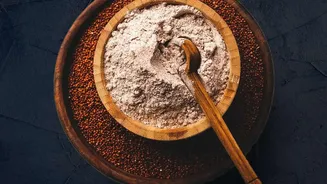
Ragi has been a staple food in parts of India for centuries, and for good reason. This hardy millet is celebrated not just for its resilience as a crop but for its dense nutritional profile. It is naturally gluten-free, making it an excellent choice for those
with gluten sensitivities or coeliac disease. More impressively, it boasts an exceptional amount of calcium, crucial for bone health, containing significantly more than other common cereals like rice or wheat. A single 100-gram serving can fulfil a substantial portion of your daily calcium needs. Beyond calcium, ragi is also a rich source of iron, which helps combat anaemia, and dietary fibre, which is essential for good digestion.
Why Ragi is the Ideal Breakfast Choice
Starting your day with ragi can have a profound impact on your energy levels and overall well-being. The complex carbohydrates and high fibre content in finger millet ensure a slow and steady release of energy, preventing the mid-morning slump often associated with sugary breakfasts. Its low glycemic index helps in managing blood sugar levels, making it a particularly beneficial food for individuals with diabetes. The fibre also promotes a feeling of fullness, which can aid in weight management by curbing cravings and preventing overeating. Furthermore, ragi is packed with antioxidants that help protect your cells from damage and boost your immune system.
An Easy Recipe for Savoury Ragi Crepes
These savoury crepes, often called ragi dosa, are simple to prepare and endlessly customisable. This instant version requires no fermentation. To make about 8-10 crepes, you will need: 1 cup of ragi flour, ½ cup of rice flour, ¼ cup of fine semolina (rava), 1 finely chopped onion, 1-2 finely chopped green chillies, minced ginger, finely chopped coriander and curry leaves, 1 teaspoon of cumin seeds, salt to taste, and about 4 cups of water. In a large bowl, whisk together the ragi flour, rice flour, and semolina. Add the chopped onion, chillies, ginger, herbs, cumin, and salt. Gradually pour in the water while whisking continuously to create a smooth, lump-free batter. The consistency should be thin and runny, similar to that of a rava dosa batter. Let the batter rest for 15-20 minutes.
Tips for Perfect, Crispy Crepes
The secret to a crispy ragi crepe lies in the pan's temperature and the batter's consistency. Your griddle or tawa must be very hot before you pour the batter; a sprinkle of water should sizzle and evaporate immediately. Always stir the batter well right before making each crepe, as the flours tend to settle at the bottom. Pour the batter from the outside edge of the pan, moving towards the centre to create a lacy texture. Don't try to spread it with the ladle. Drizzle a little ghee or oil around the edges and cook on a medium-high flame until the bottom is crisp and golden brown. These crepes are delicate and typically don't need to be flipped.
Serving Suggestions and Variations
Savoury ragi crepes are wonderfully versatile. They pair beautifully with a variety of traditional Indian accompaniments. Serve them hot with coconut chutney, tomato chutney, or a flavourful sambar for a complete and satisfying meal. For added nutrition and flavour, you can add other finely grated vegetables to the batter, such as carrots or beetroot. Some recipes also incorporate curd or buttermilk into the batter for a slightly tangy taste. For a protein boost, you can serve the crepes alongside scrambled eggs or a paneer bhurji. These options transform a simple crepe into a well-rounded meal, perfect for breakfast, lunch, or even a light dinner.