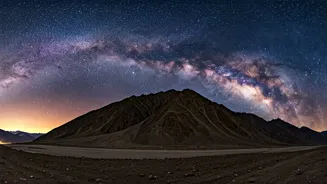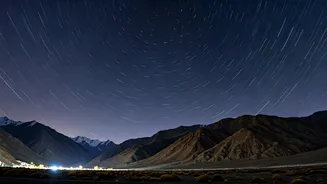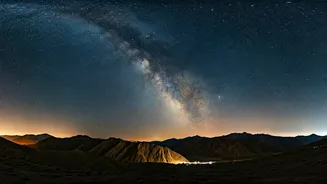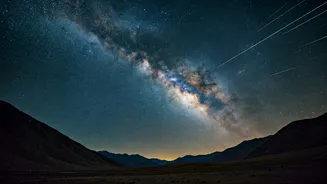




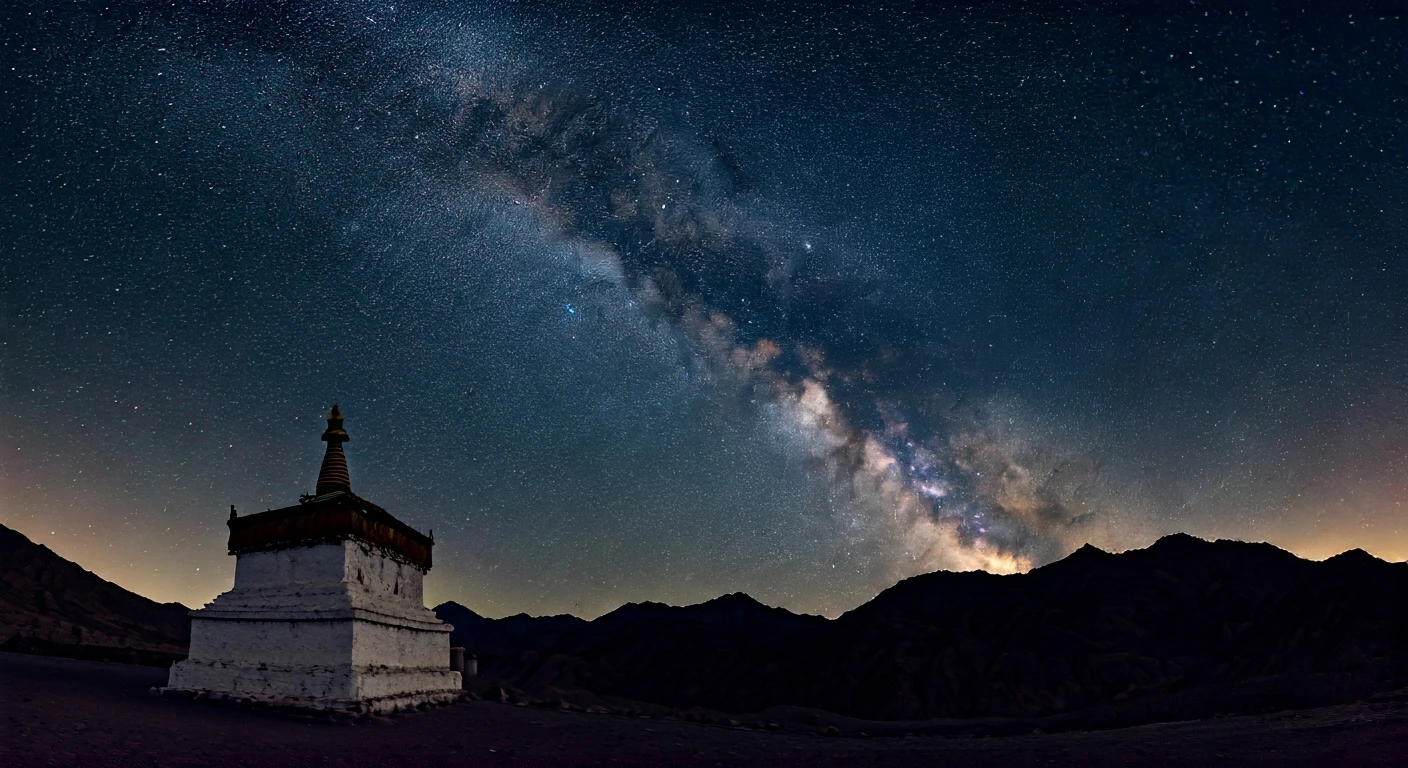


Why Ladakh is an Astronomer’s Paradise
Ladakh's reputation as a stargazer's dream is well-earned. Perched at altitudes often exceeding 10,000 feet, the region's thin, dry atmosphere results in exceptionally clear skies. This, combined with its remoteness and minimal light pollution, makes
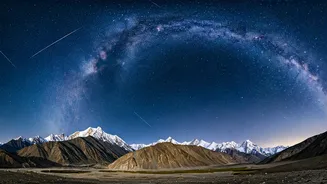
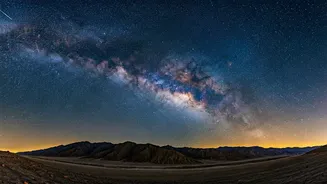
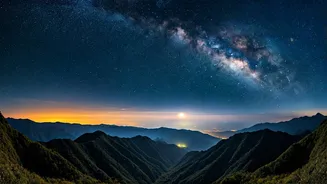
it one of the darkest and best places on Earth for astronomical observation. The area is so ideal that it's home to India's first-ever Dark Sky Reserve in Hanle, a region protected specifically to preserve its pristine night skies for both scientific research and tourism. With around 300 clear nights annually, your chances of witnessing cosmic wonders here are incredibly high. The stark, beautiful landscape of the high-altitude desert only adds to the profound experience of looking up at a sky blanketed in stars.
The Celestial Show of Late July
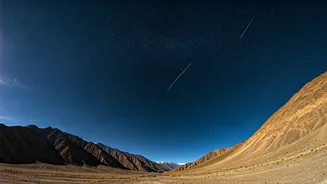
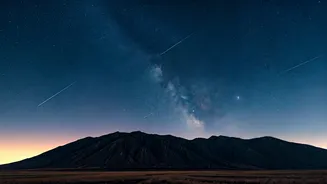
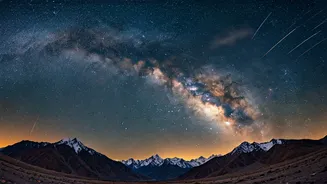
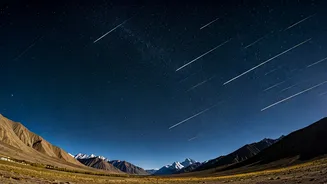
Late July offers a celestial double-feature. The two main meteor showers active are the Southern Delta Aquariids and the Alpha Capricornids, both peaking around July 30-31. The Delta Aquariids are known for a steady stream of faint meteors, producing up to 20 per hour in ideal conditions. The Alpha Capricornids, while less frequent at about five meteors per hour, are famous for producing slow, incredibly bright fireballs that can even outshine the moonlight. This year, a bright moon on the peak nights will make viewing faint meteors tricky, but the fireballs from the Alpha Capricornids should still be visible. Adding to the excitement, the famous Perseid meteor shower, which peaks in August, begins its activity in late July, offering a chance to spot some early arrivals.
Prime Viewing Locations
While almost anywhere in Ladakh offers great views, some spots are truly exceptional. Hanle is the crown jewel. As India's first Dark Sky Reserve, it's home to the Indian Astronomical Observatory and offers professionally guided astro-tourism experiences. Another top spot is Pangong Tso; on a clear, moonless night, the lake's surface can reflect the Milky Way, creating a surreal, mirrored cosmos. Tso Moriri offers a quieter, less-crowded alternative with equally dark skies. For those seeking accessibility, the Nubra Valley provides excellent stargazing with the benefit of a lower altitude and slightly warmer nights. Even spots near Leh, like Shanti Stupa, provide elevated platforms for impressive sky-watching away from the town's direct lights.
Planning Your Astro-Adventure
Timing is everything. For the best experience, plan your trip around the new moon to ensure the darkest skies possible. Although the late July 2026 showers coincide with a full moon, you can still plan your trip the week prior (July 21-26) to catch the early activity in moon-free pre-dawn hours. A crucial part of any Ladakh trip is acclimatization. Spend at least two full days in Leh (which is at 11,500 feet) before venturing to higher altitudes like Hanle or Pangong Tso to prevent Acute Mountain Sickness (AMS). Remember that many remote areas, including Hanle and Pangong, require an Inner Line Permit for Indian tourists, which can be easily obtained online or in Leh. Booking accommodations in advance, especially in popular areas, is also highly recommended.
What to Pack for a Night Under the Stars
Even in summer, night temperatures in Ladakh can drop dramatically. Dressing in layers is key. Pack thermal inners, a fleece jacket, and a windproof outer layer. Warm gloves, a woolen cap or balaclava, and thick socks are non-negotiable for comfortable night viewing. For your gear, you don't necessarily need a telescope; the naked-eye view is spectacular, and a good pair of binoculars can enhance it. If you're into astrophotography, a sturdy tripod and a camera with manual settings are essential. Also, carry a torch with a red light setting, as it preserves your night vision, unlike bright white light. Finally, pack essentials like sunscreen for the day, moisturizer for the dry air, and a reusable water bottle to stay hydrated.