





The Great Indian Protein Myth
For decades, the idea of prioritising protein was seen as a niche concern, reserved for athletes and bodybuilders chasing specific physique goals. The general perception was that a typical Indian diet, with its staples of dal, roti, and rice, was sufficient
for the average person. This belief created a blind spot in the national health conversation. The result? A widespread, often unacknowledged, protein deficiency. Surveys have repeatedly shown that a vast majority of the Indian population, upwards of 70%, consumes inadequate protein. Disturbingly, one study highlighted that 93% of urban Indians were unaware of their daily protein requirement, making it difficult to address a problem they didn't know they had. The stereotype not only limited the conversation but also contributed to a silent health crisis affecting immunity, energy levels, and overall well-being across all age groups.
Why Our Dal and Roti Aren't Enough
The Indian plate is rich in tradition and flavour, but it's often heavy on carbohydrates. While dals and pulses are good protein sources, they are not a complete solution on their own. Studies show that cereals like rice and wheat make up nearly half of the daily protein intake for many Indians, a much higher proportion than recommended. Cereal-based proteins have lower digestibility and lack the complete amino acid profile of sources like dairy, eggs, or meat. The Indian Council of Medical Research (ICMR) recommends about 0.8 to 1 gram of protein per kilogram of body weight for a sedentary adult. For a 60kg person, this translates to roughly 48-60 grams daily. However, the average consumption often falls short at around 0.6 grams per kilogram. This gap highlights that while our meals contain some protein, the quantity and quality are often insufficient to meet the body’s needs for muscle maintenance, hormone regulation, and immune function.
The New Wellness Wave
So, what changed? A confluence of factors has pushed protein into the mainstream. Rising health consciousness, increased disposable income, and a growing focus on preventive wellness have made urban families reconsider their nutritional habits. The conversation is no longer just about building biceps; it's about holistic health, including managing weight, supporting active aging, and boosting immunity. This cultural shift has created a massive opportunity, with India's protein market projected to grow significantly. This growth isn't just in traditional supplements but in what's being called the 'lifestyle protein' segment, which is expanding faster than the performance-focused category. This trend sees working professionals, women, and entire families adopting protein as a key part of daily nutrition, not just a post-workout ritual.
Beyond the Shaker Bottle
The market has responded with a wave of innovation that makes protein more accessible and convenient than ever. Instead of asking consumers to change their habits entirely, brands are fortifying the foods they already love. Supermarket shelves now feature protein-fortified atta, where three rotis might fulfill a quarter of one's daily needs, protein-rich biscuits, dosa batter, protein chips, and even high-protein paneer and ice cream. Major players like Amul, ITC, and Britannia are launching entire ranges dedicated to high-protein products, from shakes to buttermilk. This strategy of 'stealth health,' or seamlessly integrating nutrients into familiar products, is effectively democratising protein, moving it from specialty fitness stores to the local kirana shop and family breakfast table.
Making Protein Work for You
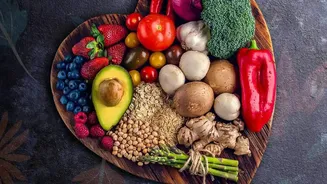
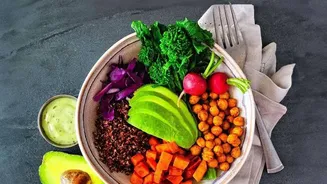
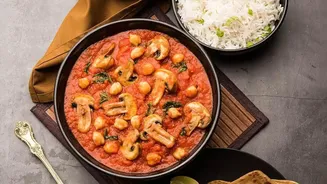
As protein steps into the spotlight, navigating the advice is key. The goal isn't to start living on supplements, but to make conscious choices. For vegetarians, this means strategically combining different sources like dals, legumes, paneer, tofu, curd, and seeds to ensure a complete amino acid profile. Non-vegetarians can incorporate eggs, chicken, and fish. A simple rule of thumb is to include a source of protein in every meal. This could be a bowl of dal or curd with lunch, a handful of nuts as a snack, and paneer or eggs for dinner. For active individuals, needs are higher, potentially ranging from 1.2 to 2.0 grams per kilogram of body weight, but for most, small, consistent additions to their existing diet can bridge the nutritional gap effectively. The focus is on balance and awareness, not obsession.