







The Tale of Two Markets
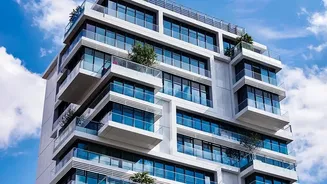
The Indian residential market is increasingly divided. On one side, demand for premium and luxury homes from affluent domestic buyers and Non-Resident Indians (NRIs) is robust. This has encouraged developers to focus on high-end projects with world-class
amenities, often in partnership with international brands. This segment is driven by a desire for a better lifestyle, larger spaces, and a stable investment that can act as a hedge against inflation. On the other side, the affordable and mid-income segments are facing a squeeze. A recent report noted that homes priced below ₹1.5 crore constituted only 47% of new launches in early 2026, a sharp drop from 85% in 2022. This indicates that while demand for affordable homes remains, supply is shrinking. Developers cite rising construction and land costs as factors making budget projects less profitable.
The Supply Squeeze on Budget Homes
For budget buyers, the most direct impact of the luxury boom is a reduction in the supply of new, affordable homes. As developers pivot to higher-margin luxury projects, fewer mid-range and budget-friendly units are being launched. This supply-side constraint can have a ripple effect. With fewer new affordable options available, competition for existing properties in the budget and mid-segments can intensify, potentially putting upward pressure on their prices. Data from early 2026 shows that while overall housing sales saw a slight dip, the decline was concentrated in the affordable segment, whereas premium housing sales remained resilient. This creates a challenging environment where budget buyers are chasing a shrinking pool of properties.
Watch Out for 'Luxury Lite'
In a market buzzing with the word 'luxury', budget buyers must be cautious of projects that use the term as a mere marketing gimmick. Some developers may brand their projects as 'premium' or 'luxurious' to justify higher prices, without offering the corresponding quality, amenities, or prime location. True luxury properties offer features like superior design, high-end security, wellness facilities, and unique architectural elements. As a budget buyer, it's crucial to look past the brochure and evaluate what you are truly getting for your money. Scrutinise the carpet area versus the super built-up area, check the quality of fittings, and assess the practical value of the amenities offered. Don't let a fancy label trick you into overpaying for a standard apartment.
The Opportunity in Tier-2 and Tier-3 Cities
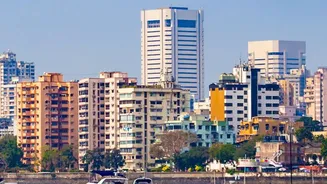
The intense focus on luxury properties is most prominent in major metropolitan areas like Mumbai, Delhi-NCR, and Bengaluru, where prices have seen significant appreciation. This price saturation is creating opportunities in emerging Tier-2 and Tier-3 cities. Developers are also beginning to explore these markets, and for budget buyers priced out of the metros, these cities can offer a better value proposition. Cities like Pune and Hyderabad, for example, are becoming popular alternatives for buyers seeking a balance of affordability and lifestyle amenities. When considering a property, look at the location's future potential, including upcoming infrastructure, transport connectivity, and job growth.
The Resale Market Is Your Friend
While new launches are heavily skewed towards the premium end, the resale market can be a treasure trove for budget-conscious buyers. The secondary market often has a wider variety of properties in the affordable and mid-income brackets. These homes might be in established localities with developed social infrastructure, offering a different kind of value compared to a new-build on the outskirts. When exploring resale options, be thorough with your due diligence. Verify all property documents, check the building's structural health and legal status, and if possible, consult a property lawyer to ensure a clean title. A well-chosen resale flat can often provide more space and a better location for your budget than a new, smaller unit.