




The Anatomy of a Twist
When you twist your torso, your body naturally wants to take the path of least resistance. For many people, this means the hips and pelvis will swivel along with the spine. While this might feel like you're achieving a deeper twist, you're actually bypassing
the intended target. The primary goal of a standing spinal twist is to create rotation in the thoracic spine—the upper and middle part of your back. This area is designed for rotation, unlike the lumbar spine (your lower back), which has very limited rotational capacity. When the hips move, the rotation often comes from the lumbar spine and sacroiliac (SI) joint, which can lead to strain or instability over time.
Stabilisation for Spine Safety
The instruction to 'square your hips' is fundamentally about creating a stable foundation. By actively keeping your pelvis and hips pointing forward, you anchor your lower body. This stability forces the twisting motion to originate from your core and move up into the thoracic spine, which is built to handle it. This protects your lower back and the sensitive SI joints, which connect your spine to your pelvis. Forcing a twist with mobile hips can put undue pressure on these areas, especially if you have pre-existing tightness or instability. Engaging your core muscles becomes essential not just for movement, but for spinal protection.
Benefits of an Isolated Twist
Beyond safety, keeping the hips stable delivers a more effective and beneficial stretch. Isolating the movement allows you to specifically target and improve the mobility of your thoracic spine. Improved thoracic rotation can lead to better posture, reduced neck and shoulder tension, and even improved breathing mechanics, as the rib cage has more freedom to expand. Furthermore, this technique requires significant engagement from your oblique muscles, which are the primary drivers of the twist, helping to build functional core strength. You are training your body to differentiate movement between the pelvis and the torso, which is a crucial skill for athletic performance and daily activities.
How to Keep Your Hips Square
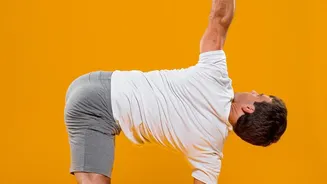
Achieving hip stability is an active process. Start with your feet hip-width apart and ground down firmly. Engage your leg muscles and glutes to 'lock' your hips in place. A helpful mental cue is to imagine your hip bones are headlights that must continue shining straight forward. As you exhale, initiate the twist from your waist, thinking of your spine lengthening upwards as it rotates. The movement should come from your torso, not from swinging your arms. It's better to have a smaller, controlled twist with stable hips than a larger, sloppy one. A mirror can be a great tool to check that your hips are not swaying or tilting.
Common Mistakes and Modifications
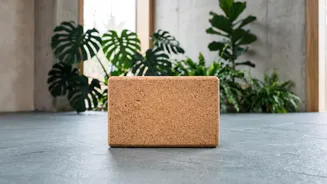
A common error is focusing so much on the depth of the twist that the hips inevitably follow. Remember, the goal is rotation in the upper back, not the furthest possible range of motion. Another mistake is allowing the knees to bend or knock inward, which destabilises the base. If you have tight hips or are new to twists, modifications are your friend. Try placing your hands on your hips to physically monitor their position. You can also perform the twist with a slightly shorter stance, which can offer more stability. For poses like Revolved Triangle, using a yoga block under your hand can prevent you from collapsing and help maintain hip alignment. If you find it challenging, focus first on grounding your feet and legs before deepening the rotation.