

Finding cardio that's both effective and enjoyable can feel like a chore. But what if exercise felt like a celebration or a moment of peace? Dance and swimming offer two powerful, adaptable paths to better heart health for every single body.
More Than Just Movement
Cardiovascular
exercise is essential for a healthy heart, but the thought of monotonous treadmills or high-impact routines can be discouraging. The best exercise is the one you will do consistently, and the key to consistency is enjoyment. This is where activities like dance and swimming shine. They offer more than just a workout; they provide a full-body experience that engages the mind, improves coordination and balance, and can be easily modified to suit your individual needs and fitness level. Whether you're a complete beginner, managing joint pain, or an experienced athlete, there's a rhythm or a stroke that's right for you.
Find Your Rhythm with Dance
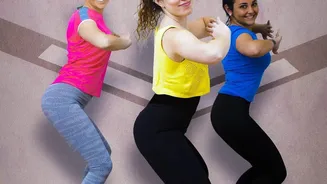
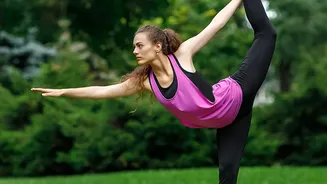
Dance is a powerful and joyful way to boost your cardiovascular health. It gets your heart pumping and improves circulation, which can help lower blood pressure and reduce the risk of heart disease over time. But its benefits go far beyond the heart. Dance is a full-body workout that strengthens muscles in your legs, glutes, and core. It also enhances flexibility, balance, and coordination as you learn to move through different patterns and rhythms. One of the greatest things about dance is the sheer variety. From high-energy Zumba and hip-hop to the graceful flow of ballet or the social fun of salsa, there's a style for every personality. Many forms of dance are also low-impact, making them a joint-friendly alternative to running.
How to Adapt Dance for Your Body
The phrase 'adaptable to ability' is where dance truly becomes accessible for all. If you have mobility challenges or are concerned about balance, chair-based dance classes offer a fantastic seated workout that still builds heart health and expresses rhythm. For those with physical or developmental disabilities, adaptive dance programs modify choreography to be inclusive, focusing on individual expression and building confidence in a supportive environment. Instructors can use verbal cues, partner support, or focus on each dancer's natural range of motion. For beginners, the key is to start slow. You don't need perfect rhythm; the focus is on movement. Choose a beginner-level class, don't be afraid to take breaks, and concentrate on enjoying the music rather than mastering complex choreography.
The Gentle Strength of Swimming
Swimming is often called the perfect exercise for good reason. The buoyancy of water supports your body, taking nearly all the stress off your joints, spine, and hips. This makes it an ideal workout for individuals with arthritis, joint pain, or those recovering from injury. But low-impact doesn't mean low-intensity. Swimming provides a full-body workout, engaging your arms, shoulders, back, core, and legs simultaneously. This resistance-based training strengthens muscles while improving cardiovascular endurance. Regular swimming strengthens the heart muscle, allowing it to pump blood more efficiently, which improves circulation and can lower blood pressure and cholesterol. It also builds lung capacity as you learn to control your breathing.
Making the Pool Your Gym
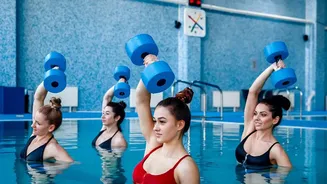
Like dance, swimming can be tailored to any fitness level. If you're new to the pool or getting back into it after a long break, start with short sessions. You don't have to swim laps like an Olympian. Water walking or water aerobics are excellent entry points, offering gentle resistance and a social atmosphere. Using equipment like a kickboard can help you focus on building leg strength and endurance. For older adults or those with mobility concerns, many pools offer accessible entry with stairs and handrails, and some classes are specifically designed with modifications in mind. It's also important to focus on proper technique to avoid strain, especially in the shoulders. A few lessons with an instructor can provide you with the fundamentals of different strokes and breathing techniques to ensure your workout is both safe and effective.