



Why A Protein-Packed Breakfast Matters
Before we dive into the delicious twists, let's talk about the 'why'. A breakfast rich in protein does more than just fill you up. It helps regulate your blood sugar, preventing that dreaded mid-morning energy slump. Protein is essential for muscle repair
and growth, and it boosts your metabolism. Most importantly, it increases satiety—the feeling of fullness—which means you're less likely to reach for unhealthy snacks before lunch. While our classic Indian breakfasts are packed with flavour and comfort, they often lean heavily on carbohydrates. By making a few simple tweaks, you can rebalance your plate without sacrificing the tastes you grew up with.
The Poha Power-Up
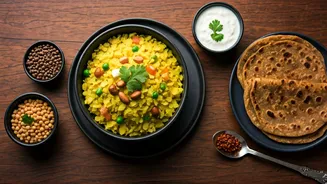
Kanda poha is a breakfast champion across India, loved for its simplicity and comforting taste. The flattened rice, however, is primarily carbohydrates. To give it a serious protein upgrade, the solution is simple and versatile. While cooking, toss in a handful of roasted peanuts or sprouted moong for a crunchy, protein-rich texture. For an even bigger boost, crumble in 50-70 grams of fresh paneer towards the end of the cooking process. The paneer softens and absorbs the flavours of the tempering, adding a creamy texture and a substantial protein kick without overpowering the dish. A sprinkle of toasted sesame seeds on top adds another layer of flavour and healthy fats.
Upgrade Your Upma
Sooji upma is a quick and easy staple, but its nutritional value can be significantly enhanced. The first twist is to change the base. Instead of semolina (sooji), try making your upma with dalia (broken wheat) or even quinoa, both of which offer more protein and fibre. To fortify a traditional sooji upma, get creative with your additions. Adding a mix of dals like chana dal and urad dal to your tempering (tadka) is a classic South Indian technique that adds both crunch and protein. You can also mix in finely chopped vegetables and a handful of green peas. For a non-obvious boost, stir in a tablespoon of roasted besan (gram flour) with the sooji before adding water; it lends a nutty flavour and an extra dose of protein.
Rethink Your Idli and Dosa
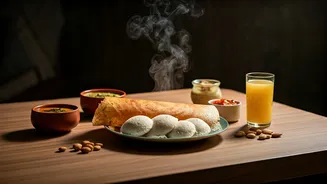
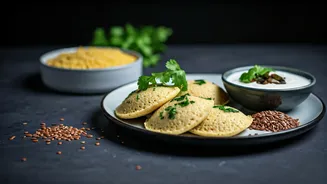
Soft, fluffy idlis and crisp dosas are the ultimate comfort food, but the standard rice-and-dal batter can be improved. One of the best ways to boost protein is to alter the batter itself. Try making a Pesarattu, a dosa made entirely from green moong dal, which is incredibly high in protein. You can also experiment with batters made from oats or ragi. For traditional idlis, consider adding finely grated carrots and crumbled paneer to the batter before steaming. When it comes to accompaniments, level up your sambar. Make it thicker and load it with more toor dal than usual, along with protein-rich vegetables like drumsticks and pumpkin. This turns your side dish into a protein powerhouse.
The Smarter Paratha
The beloved aloo paratha is a weekend treat for many, but the potato filling is mostly starch. It's time to explore other fillings that are just as delicious but far more nutritious. Sattu (roasted gram flour) is a powerhouse of protein and fibre, traditionally used in Bihar. A sattu-stuffed paratha, seasoned with onions, chillies, and ajwain, is a savoury and filling option. Another fantastic alternative is the paneer paratha. Stuffed with crumbled, spiced paneer, it’s a classic for a reason. You can also make parathas with a filling of mixed dals or even mashed chana. These swaps turn a carb-heavy indulgence into a balanced, protein-rich meal that will keep you energised for hours.
Cheela, The Protein Hero
Often overlooked, the humble cheela is perhaps the easiest traditional breakfast to pack with protein. While a simple besan (gram flour) cheela is already a decent source, you can elevate it further. The best version is a moong dal cheela, made from a batter of soaked yellow moong dal. It’s light, delicious, and loaded with plant-based protein. To make any cheela more substantial, add grated paneer, tofu, or even a whisked egg to the batter. You can also sprinkle finely chopped veggies and seeds like chia or flax on top before flipping it, adding fibre, nutrients, and even more protein.