






What Exactly Is Diet Diversity?
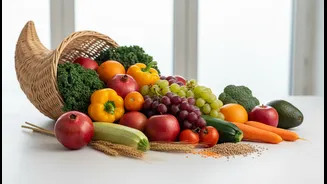
Diet diversity isn't about exotic superfoods or complicated meal plans. Simply put, it’s the practice of eating a wide variety of foods across and within different food groups. Think of it as moving beyond a small, repetitive set of ingredients. For example,
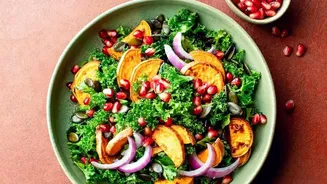
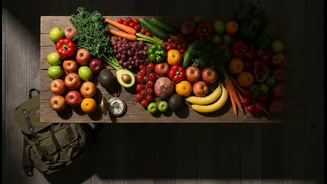
instead of only eating rice and wheat, it means incorporating millets and other grains. Instead of just potatoes and onions, it means adding a spectrum of colourful vegetables like leafy greens, carrots, and bell peppers. Each food provides a unique profile of vitamins, minerals, fibre, and other essential compounds. No single food, no matter how healthy, can supply everything your body needs. A diverse diet helps ensure you’re covering all your nutritional bases, which is crucial for everything from a strong immune system to good gut health.
The High Price of Eating Right
The core of the problem is that healthier, more diverse food options are often more expensive. Studies have shown that nutritious foods like fresh fruits and vegetables can cost significantly more per calorie than less healthy, highly processed alternatives. One analysis found that healthier foods can be more than twice as expensive as unhealthier options. This price gap has real consequences. When budgets are tight, households are often forced to choose cheaper, energy-dense foods that are high in refined starches, sugar, and fats but poor in essential micronutrients. This is not a matter of poor choices, but of economic necessity. Rising food prices disproportionately affect low-income families, who spend a larger portion of their income on food. As costs rise, nutritious items like fruits, vegetables, and pulses are often the first to be cut from the grocery list.
The Indian Household Reality
In India, this challenge is particularly pronounced. A significant portion of household income, especially in rural areas, is spent on food. While the Public Distribution System (PDS) provides a safety net for staples like rice and wheat, access to a diverse range of other nutritious foods like pulses, vegetables, fruits, and dairy often depends on what a family can afford from the open market. Research consistently links lower socioeconomic status with lower dietary diversity. A study in rural Pune found that women from families with lower incomes were at a significantly higher risk of having poor diet diversity. This creates a cycle where financial constraints lead to monotonous, nutrient-poor diets, which in turn can contribute to health issues like micronutrient deficiencies and anemia. The rising cost of food, especially protein-rich items, has been linked to worse health outcomes.
Strategies for a Diverse Plate on a Budget
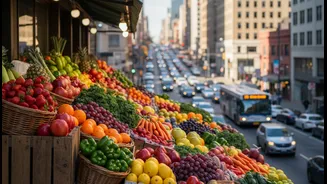
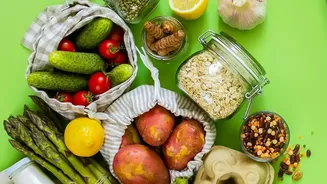
While systemic issues require policy solutions, families can adopt several strategies to improve diet diversity without breaking the bank. One of the most effective approaches is focusing on local and seasonal produce, which is typically fresher, more nutritious, and more affordable. Planning meals for the week can also drastically reduce food waste and prevent impulsive, expensive purchases. Smart shopping techniques, like buying grains and pulses in bulk and comparing prices, can also lead to significant savings. Another key is to leverage affordable, nutrient-dense staples. Lentils, beans, chickpeas, and eggs are excellent sources of protein that are often more budget-friendly than meat or fish. Using dried or canned alternatives, like chickpeas or sardines, can also be a cost-effective way to add variety when fresh options are unavailable or too expensive. Cooking at home and preparing meals in larger batches helps stretch pricier ingredients and ensures you have healthy options ready to eat.