





More Than Just a Condiment
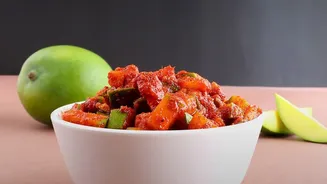
Long before pickles became a business, they were a necessity. Across India, women developed unique methods of preserving seasonal fruits and vegetables to last through the year. From the fiery 'avakkai' of Andhra Pradesh to the sweet and sour 'chundo'
of Gujarat and the unique bamboo shoot pickles of the Northeast, each region has its own signature flavour profile. These recipes, shaped by local climate and produce, were traditionally passed down from mothers and grandmothers, becoming a form of closely guarded family heritage. For centuries, this was unpaid domestic labour, a vital but unrecognised contribution. Today, that is changing, as women harness this inherited knowledge to create economic value and build their own identities outside the home.
From Kitchens to Markets
The shift from household consumption to commercial enterprise often starts small. Take the story of Krishna Yadav, who once sold vegetables by the roadside. After taking a course on pickle-making, she started her own venture with a few jars, which quickly gained local popularity. Her business, Shri Krishna Pickles, has since grown into a major enterprise with an impressive annual turnover, employing over 1,000 women and producing more than 150 different products. Similarly, in Morigaon, Assam, Ilamoni Bora began her pickle business, RUCHI+, with an initial investment of just Rs 700. Despite a lack of initial support, her persistence paid off. Her business now earns a significant annual income, provides employment to other local women, and her products are sold on e-commerce platforms.
The Recipe for Success
Several factors are fuelling this grassroots movement. Firstly, the initial investment is relatively low, relying on existing culinary skills and locally sourced ingredients. Secondly, there is a growing consumer demand for authentic, homemade, and preservative-free foods, a market that large commercial brands often struggle to serve. Women entrepreneurs are leveraging digital tools like WhatsApp and Instagram to market their products directly to customers, bypassing the need for expensive retail space. Furthermore, Self-Help Groups (SHGs) and community collectives play a crucial role. These groups provide women with training, access to credit, and a platform for collective bargaining. For instance, SHGs in Chandigarh recently showcased their pickles at a national food exhibition, gaining FSSAI licenses and wider visibility.
A Taste of Empowerment in Every Jar
The impact of these businesses extends far beyond financial statements. For many women, it is their first taste of economic independence. In Jharkhand, the brand Prakritik Swad was founded as a movement for women's empowerment, providing rural artisans with a platform to lead and thrive using traditional recipes. In Bihar, the JhaJi Store, founded by two women, sources ingredients from local farmers in Mithilanchal to create authentic pickles, generating employment for the local community. This economic agency often translates into greater decision-making power within their families and communities. It's a powerful transformation, turning what was once a domestic chore into a source of pride, identity, and influence. Platforms like Shero Home Food and FarmDidi are also creating a structured ecosystem to connect home chefs with customers, providing training and logistical support.
The Challenges on the Path
The journey is not without its hurdles. Scaling up from a home kitchen to a larger production unit presents significant challenges in logistics and maintaining consistent quality. Competition from established industrial brands is fierce. Navigating the complexities of food safety regulations, such as obtaining an FSSAI license, can be a daunting process for micro-entrepreneurs. Access to formal credit and developing a robust supply chain are other common obstacles that can limit growth. Despite these difficulties, the resilience of these women is remarkable. They are driven by a passion for their craft and the satisfaction that comes from positive customer feedback and the ability to build something of their own.