






What is Mission Aagaman?
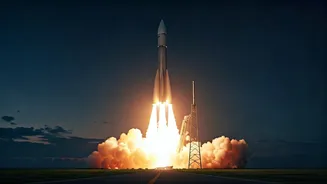
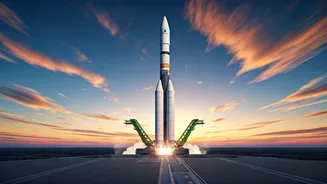
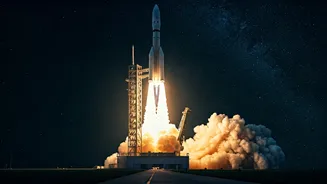
Mission Aagaman, which translates to 'arrival' in Sanskrit, is the name given to the maiden orbital test flight of the Vikram-1 rocket. Developed by Hyderabad-based startup Skyroot Aerospace, this mission represents a pivotal moment for India's space ambitions.
The launch window is set between July 12 and August 4, 2026, from the Satish Dhawan Space Centre in Sriharikota. Unlike previous private ventures, such as Skyroot's own suborbital Vikram-S launch in 2022, Aagaman is designed to achieve orbit. The primary goal is to test the rocket's systems in a real-world flight, gathering crucial data on everything from propulsion to stage separation. If successful, it will be the first time a privately built Indian rocket places payloads into orbit, a significant technical and commercial milestone.
The Vikram-1 Rocket
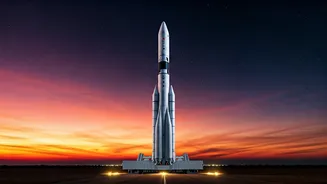
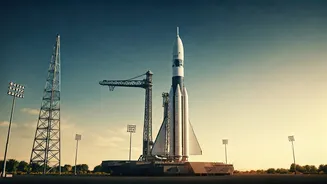
The star of Mission Aagaman is the Vikram-1, a seven-storey tall, multi-stage launch vehicle named after Dr. Vikram Sarabhai, the father of India's space program. It's an engineering feat, constructed with an all-carbon composite structure to keep it lightweight yet strong. Its propulsion system is a hybrid, using powerful solid-fuel motors and advanced 3D-printed liquid engines. The rocket is specifically designed to cater to the booming small satellite market, capable of carrying payloads up to 350 kg into Low Earth Orbit (LEO). For its first mission, it will target an orbit of 450 km. This focus on rapid, cost-effective launches for smaller satellites is what positions Skyroot to compete in the bustling global space economy.
India's Growing Private Space Ecosystem
For decades, space was the exclusive domain of the government-run Indian Space Research Organisation (ISRO). However, landmark policy reforms starting in 2020 opened the sector to private enterprise, fostering a vibrant startup ecosystem. Agencies like the Indian National Space Promotion and Authorisation Centre (IN-SPACe) were created to facilitate and regulate private participation. Today, India has nearly 400 space startups working on everything from launch vehicles to satellite data analytics. This shift allows ISRO to focus on large-scale scientific and exploration missions, while private companies like Skyroot Aerospace, Agnikul Cosmos, and Pixxel drive innovation in the commercial market. The success of Mission Aagaman would be the most powerful validation yet of this new, collaborative model.
The Soaring Space Economy
The 'space economy' refers to the vast network of commercial activities related to creating and using space-based products and services. In 2023, India's share of this global market was about $8.4 billion, or 2%. However, with the surge in private investment and government support, this is projected to grow dramatically. Estimates suggest India's space economy could reach $44 billion by 2033 and even $100 billion by 2040. A successful orbital launch by a private company is a critical enabler of this growth. It proves that India can offer reliable, end-to-end launch services to a global clientele, moving beyond being just a component supplier to a full-service space-faring nation.
Why Aagaman Matters for India
Mission Aagaman is more than a technical demonstration; it's a statement of intent. A successful orbital launch by Skyroot would place India in a select group of nations with private launch capabilities, enhancing its global standing. It signals that India is not just a participant but a serious competitor in the commercial space sector. For Skyroot, which recently became India's first space-tech unicorn with a valuation over $1.1 billion, this mission is the culmination of years of work and a gateway to full commercial operations. As CEO Pawan Kumar Chandana stated, the moment Vikram-1 lifts off, "India's private space industry will cross a threshold it has never crossed before." It marks the true 'arrival' of Indian private enterprise on the cosmic stage.