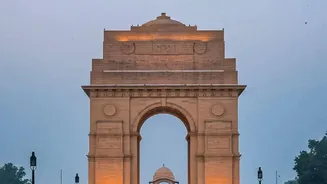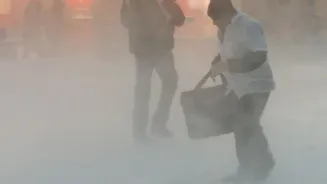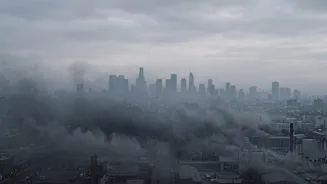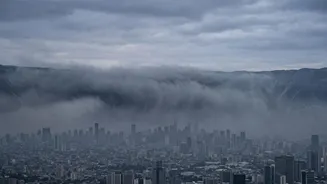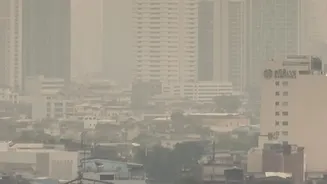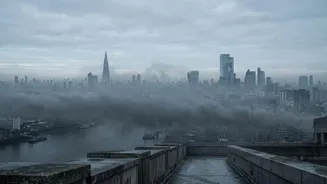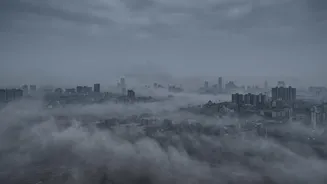







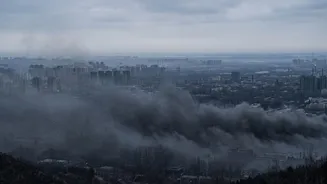
As November arrives, a familiar grey haze descends upon the National Capital Region. The air grows thick, visibility drops, and health warnings flash. This isn't just pollution; it's a crisis amplified by a predictable set of weather conditions.
The Perfect Storm of Pollution
Every
year, Delhi and its surrounding areas brace for a dramatic plunge in air quality as winter approaches. This phenomenon is not accidental. It is the result of a 'perfect storm' where a consistent baseline of urban pollution is suddenly trapped and concentrated by a unique set of meteorological factors that take hold in October and November. While sources like vehicle emissions, industrial output, and construction dust contribute to poor air quality year-round, the onset of winter weather turns a chronic problem into an acute emergency, transforming the regional atmosphere into what is often called a 'gas chamber'. This annual event is so predictable that authorities have a specific set of emergency protocols ready to be deployed.
The Science of the Winter Lid
The primary culprit behind the November smog is a weather phenomenon called temperature inversion. Normally, air is warmer near the ground and gets cooler with altitude, allowing pollutants to rise and disperse. In winter, this pattern flips. The ground cools rapidly, creating a layer of cold, dense air near the surface. A layer of warmer air then slides over it, acting like an atmospheric lid. This inversion traps everything—smoke, dust, and exhaust fumes—in the cold air below. Compounding this issue are calm, slow-moving winds characteristic of the season. With no strong winds to blow the polluted air away, the toxic cocktail remains stagnant over the region for days on end, steadily accumulating.
Adding Fuel to the Fire
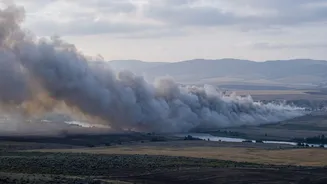
While weather creates the trap, human activities provide the pollutants. The period from October to November coincides with the paddy harvesting season in the neighbouring states of Punjab and Haryana. Farmers often burn the leftover crop stubble to quickly and cheaply clear their fields for the next sowing. Driven by north-westerly winds, huge plumes of smoke containing fine particulate matter (PM2.5) drift directly towards Delhi, significantly increasing the pollution load. On some days, stubble burning can account for over a third of the capital's particulate pollution. This seasonal influx is layered on top of other sources, including emissions from the festive season like Diwali firecrackers, which can cause sharp, albeit shorter-lived, spikes in pollutants.
The Emergency Response Plan
When the combination of trapped pollutants pushes the Air Quality Index (AQI) into 'Severe' or 'Severe+' categories, authorities are forced to implement emergency measures. This is managed through the Graded Response Action Plan (GRAP), a set of anti-pollution steps that escalate with the worsening air quality. Approved by the Supreme Court in 2016, GRAP is now overseen by the Commission for Air Quality Management (CAQM). The plan operates in four stages, triggered by specific AQI thresholds. Initial stages may involve measures like enforcing pollution norms at construction sites and brick kilns. As the air quality deteriorates to 'Severe' (Stage III) or 'Severe+' (Stage IV), stricter actions are enforced. These can include a complete ban on construction and demolition activities, restrictions on the entry of diesel trucks, and potentially invoking the 'odd-even' scheme for private vehicles to curb traffic emissions.