

The Undeniable Appeal of Desk Plants
Before diving into our top picks, it’s worth noting why a desk plant is such a good idea. Beyond simple decoration, studies have shown that having plants in your workspace can help reduce stress, improve focus, and boost your mood. They bring a living,
breathing element to a space often dominated by screens and static objects, creating a calmer, more pleasant atmosphere. Even a single plant can make a noticeable difference in how your workspace feels, making it a more inviting place to spend your time.
The Snake Plant: An Upright, Modern Hero
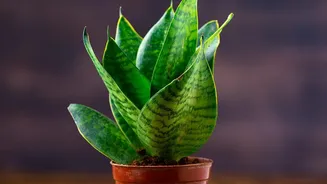
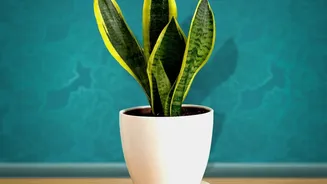
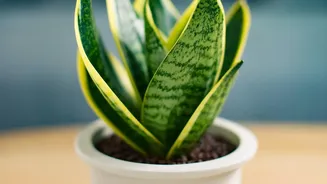
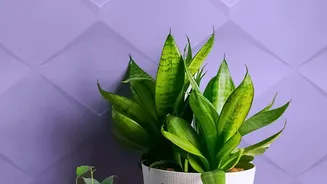
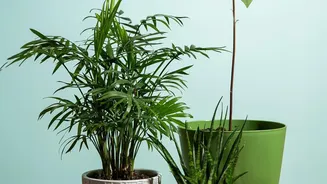
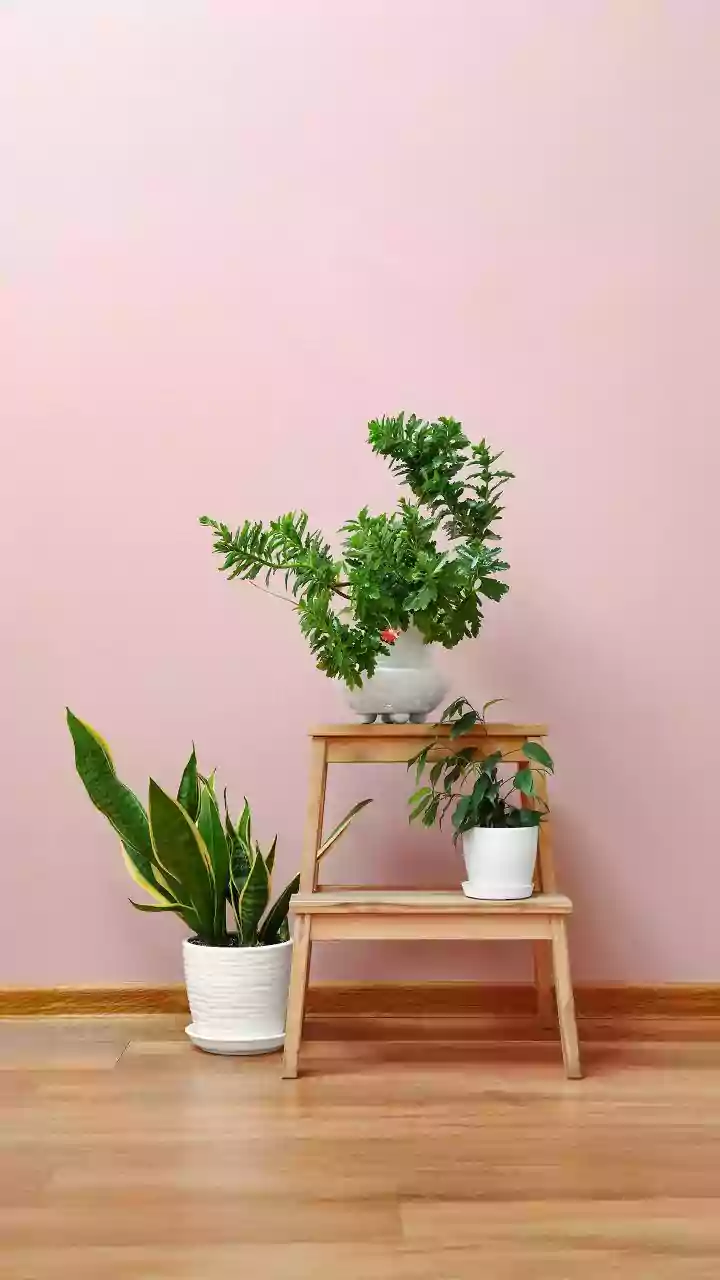
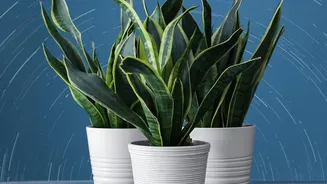
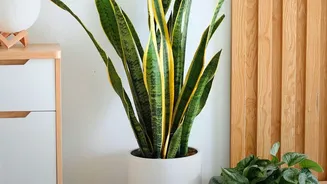
The Snake Plant, or Sansevieria trifasciata, is famous for being nearly impossible to kill, making it perfect for beginners and busy individuals alike. Its stiff, vertical leaves provide a strong architectural element, adding height and structure to your desk without taking up too much horizontal space. Snake plants are incredibly adaptable, tolerating both low light and bright, indirect light. Their biggest selling point for a bedroom office is a unique process called CAM photosynthesis, which allows them to release oxygen at night, a reverse of what most plants do. This makes them an excellent companion for the room you both work and sleep in.
The Pothos: A Forgiving, Trailing Vine
Often called Devil's Ivy, the Pothos (Epipremnum aureum) is the poster child for forgiving houseplants. Its heart-shaped leaves grow on trailing vines that can be styled in numerous ways—let them cascade gracefully off the side of your desk, train them to climb a small trellis, or place them on a shelf above your workspace. Pothos is highly communicative; its leaves will visibly droop when it needs water, taking the guesswork out of your care routine. It's also adaptable to various light conditions, thriving in the bright, indirect light of a windowsill or surviving just fine in lower-light office environments.
Clearing the Air on 'Purification'
The term 'air-purifying' is often linked to these plants, largely thanks to a 1989 NASA study which found they could remove toxins like formaldehyde and benzene from sealed chambers. While both Snake Plants and Pothos do have these capabilities, it's important to have realistic expectations. In a typical, ventilated room, you would need a very large number of plants to significantly alter the air quality. Think of the air-cleaning properties as a small, welcome bonus rather than the primary benefit. The most immediate and noticeable impact will be the aesthetic beauty and the proven psychological boost you get from being around greenery.
A Foolproof Care Routine
The beauty of this duo is their minimal demand for your attention. For the Snake Plant, the biggest mistake is overwatering. Allow the soil to dry out completely between waterings, which could mean watering as little as every 2-6 weeks depending on light and humidity. For the Pothos, a good rule of thumb is to water it when the top inch or two of soil is dry, or when you notice the leaves starting to wilt. Both plants are happy in a standard, well-draining potting mix and do not require frequent fertilizing—a light feed once or twice during the spring and summer growing season is plenty.