

The ‘Blank Canvas’ Philosophy
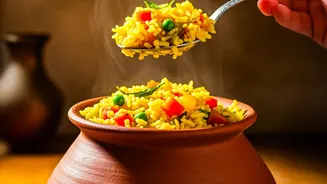
The secret to pleasing every palate is to stop thinking about a dish as having one final flavour profile. Instead, approach your meal like a 'blank canvas'. The goal is to create a base that is deeply flavourful and aromatic on its own, without relying
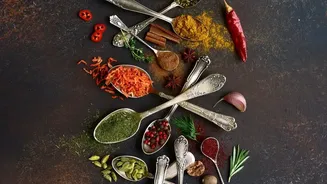
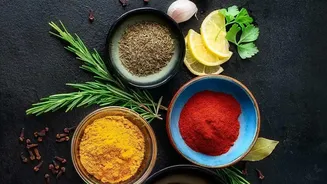
on chilli for its character. This means building layers of savouriness with ingredients that everyone can enjoy. Think garlic, ginger, onions, herbs, and warm spices like cumin, coriander, and turmeric. These elements create a rich, satisfying foundation. The base should be delicious enough for the most spice-averse person to eat as is, while also being robust enough to act as the perfect vehicle for heat, which can be added later by those who want it.
Perfect Bases for Customisation
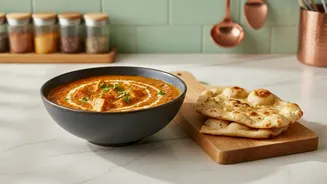
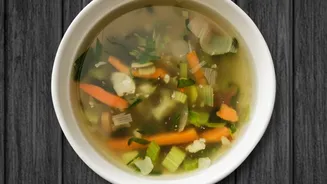
Not all dishes are created equal when it comes to customisation. The best candidates are often those with a sauce, broth, or components that mix easily. A coconut milk-based curry, for example, is an ideal starting point. Its natural sweetness and creamy texture beautifully balance added heat. Similarly, a tomato-based stew or chili can be made with plenty of savoury spices like smoked paprika and oregano, holding the cayenne pepper until the end. Even simple noodle soups with a well-seasoned chicken or vegetable broth offer a perfect opportunity for customisation. Build-your-own taco or wrap nights are another fantastic application of this principle; cook the protein with a mild seasoning blend, and let everyone assemble their own creation with various toppings.
Assemble Your 'Heat Toolkit'
This is where the magic happens. Having a well-stocked 'heat toolkit' allows each diner to become the master of their own plate. The key is variety, offering different types of heat and flavour. Freshly sliced chillies, like jalapeños or bird's eye, provide a sharp, clean kick. For a smoky depth, a dab of chipotles in adobo sauce is unbeatable. A collection of hot sauces is a must; a vinegary Tabasco-style sauce, a garlicky Sriracha, and a funky, fermented Korean gochujang can cover a wide range of preferences. Don't forget about spice-infused oils, like chilli crisp, which add both heat and a delightful texture. Finally, simple dried red pepper flakes and ground cayenne powder are easy to sprinkle on for a direct and measurable dose of spice.
The Art of Adding Spice
With your base cooked and your toolkit ready, the final step is application. For dishes like soups and curries, the best method is to add spice to individual bowls. This prevents the entire pot from becoming spicy and allows for precise control. Remind your fellow diners that spice often builds, so it's wise to start with a small amount, stir, taste, and then add more if desired. Pastes and sauces integrate best when stirred into the hot liquid. Fresh chillies, chilli oil, and flakes, on the other hand, work wonderfully as a finishing garnish, adding a visual pop and allowing the diner to mix them in as they eat. By putting the power of heat into each person's hands, you transform the meal from a potential conflict into a fun, interactive, and personalised dining experience.