


A New Benchmark for Urban Mobility
On November 2, during the pre-Diwali travel rush, the Delhi Metro’s driverless trains carried a remarkable 1.6 million passengers in a single day. This figure accounted for roughly one in every five people who used the network that day, a testament to
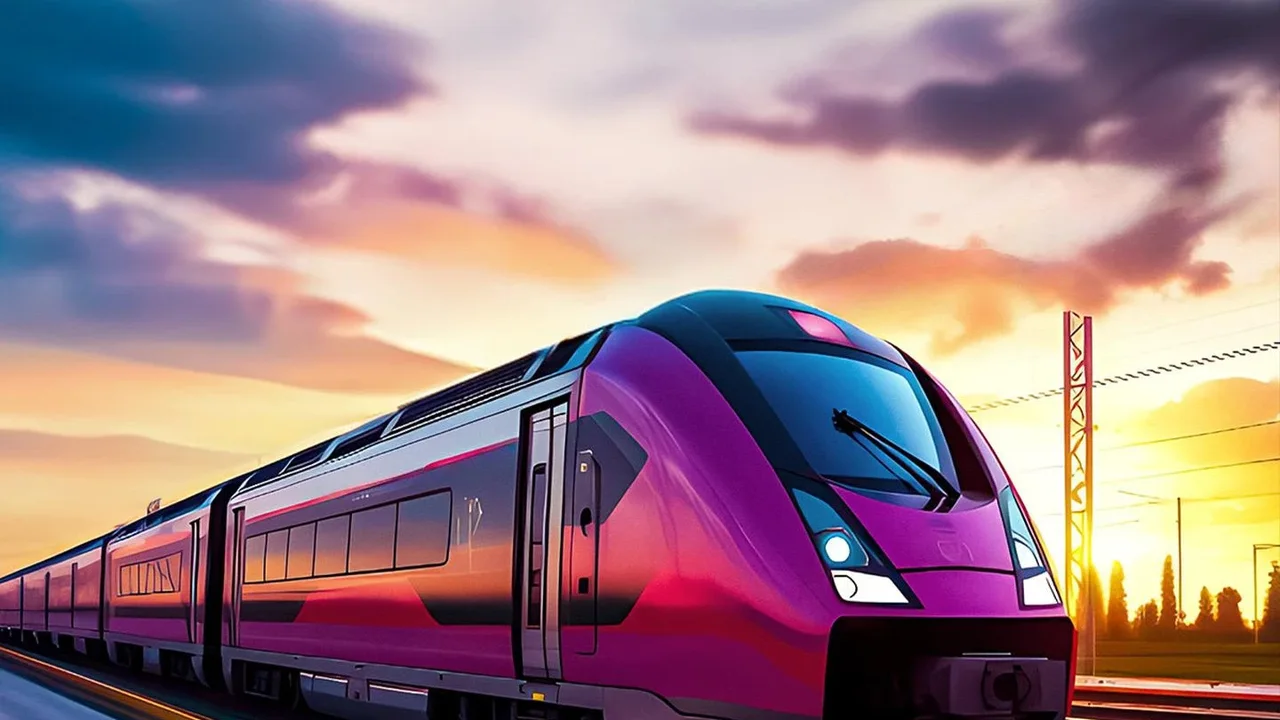
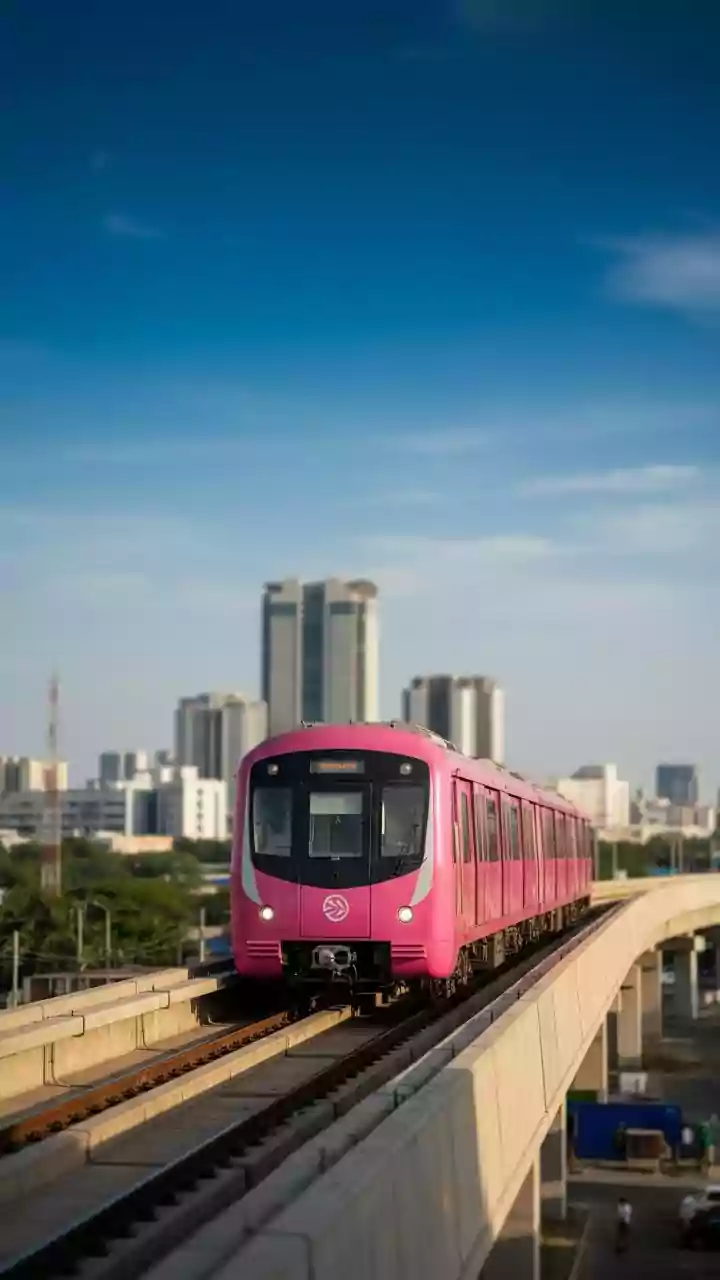
the growing public trust in automated transit. This wasn't just a number; it was a powerful demonstration of the technology's capability to handle immense pressure with efficiency. The record was set on the Magenta and Pink lines, which together form the backbone of the driverless network. This achievement has put a fresh spotlight on the technology that made it possible, turning a local success story into a potential national template.
The Technology Behind the Record
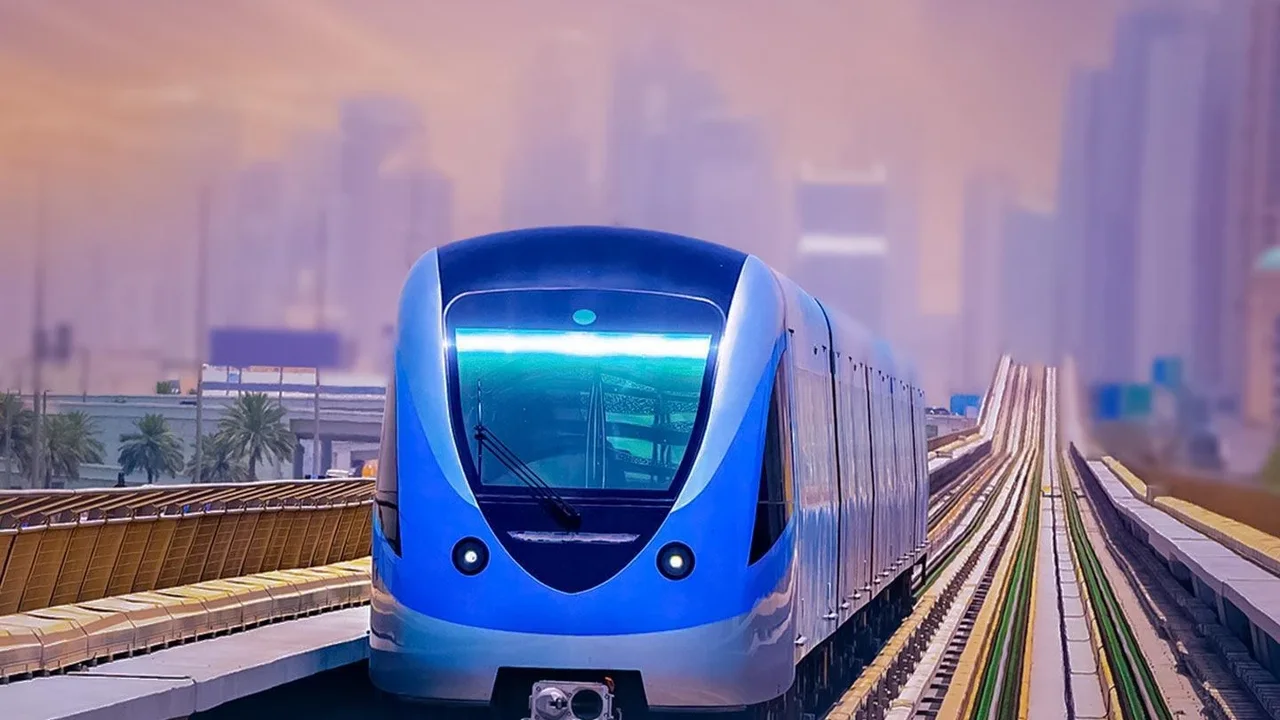
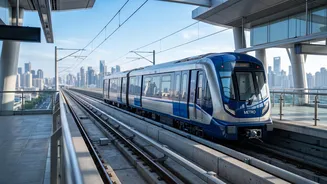
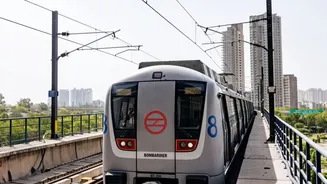
The system behind this success is officially known as Unattended Train Operation (UTO). First introduced on the Magenta Line in 2020, it marked India’s entry into the elite global club of automated metro systems. Today, the Delhi Metro Rail Corporation (DMRC) operates 100 driverless trains across 120 kilometres of its network. These trains run without a driver on board, guided by advanced Communication-Based Train Control (CBTC) systems that ensure high precision in scheduling, speed, and safety. According to DMRC's Managing Director, Vikas Kumar, this technology offers greater operational flexibility, reduces the chance of human error, and improves the availability of coaches for passenger service. Furthermore, each train performs exhaustive self-tests before entering service, significantly boosting the fleet's reliability.
From Delhi's Success to a National Model
The impressive performance of the UTO system is driving conversations about its wider adoption across India. With metro services now operational in 26 cities and a network length that ranks third globally, the country has a massive and growing urban transport ecosystem. DMRC officials are now advocating for other metro projects to consider the driverless model from the planning stage. The 'Delhi Model' isn't just about technology; it's a comprehensive package of operational efficiency, punctuality (running at 99.95% in 2026), and technical expertise that DMRC has honed over two decades. The corporation already serves as a consultant for numerous metro projects across India and even internationally, making it the natural leader for this technological push.
What DMRC Offers the Nation
DMRC’s role has evolved far beyond just running trains in the capital. It now acts as a comprehensive consultancy, preparing detailed project reports and offering technical guidance for metro systems in cities like Mumbai, Chennai, and Patna. Earlier this year, DMRC established a subsidiary, Delhi Metro International Limited (DMIL), to streamline its consultancy for both domestic and international projects, with active interests in places like Dhaka, Tel Aviv, and Alexandria. This deep well of experience in planning, construction, and operations is what DMRC proposes to share on a larger scale. The idea is to leverage its expertise in areas like driverless operations and multimodal integration to help other Indian cities build world-class transit systems from the ground up.
The Road Ahead: Challenges and Considerations
While the benefits are clear, a nationwide rollout of driverless technology is not without challenges. One of the primary concerns raised by officials is the high upfront capital cost associated with these advanced systems. There are also concerns about employment. However, DMRC has stated that since introducing UTO in 2020, no train operators have been laid off. Instead, its approximately 3,000 operators have been redeployed to crucial roles in station management and crowd control. Experts also caution against a one-size-fits-all approach, suggesting each city must assess its unique needs rather than blindly following trends. The debate will require balancing the clear operational gains against financial and social considerations as India charts the future of its urban mobility.