


The Undeniable Pull of Chatpata
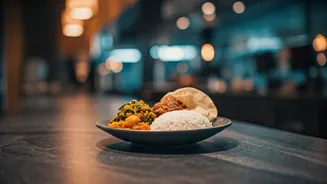
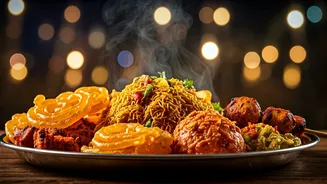
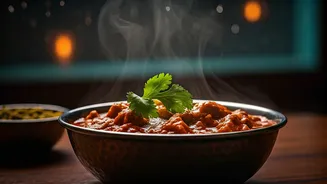
There's a flavour profile that unites India, from the pani puri stalls of Mumbai to the chaat corners of Delhi. It’s 'chatpata'—a complex, layered taste that isn't just sour, but a delightful explosion of tangy, spicy, sweet, and salty. This craving is coded
into our culinary DNA. We chase it with imli (tamarind) in our chutneys, nimbu (lime) over our dals, and amchur (dried mango powder) in our sabzis. This love for acidity and complexity is precisely why vinegar, an ingredient often siloed into 'Chinese' food or salad dressings, deserves a prime spot in the modern Indian pantry. It’s not about replacing our traditional souring agents, but about recognising vinegar as a powerful member of the same family, ready to elevate the food we already adore.
Beyond the Anglo-Indian Roast
For many, vinegar in Indian cooking conjures images of Anglo-Indian kitchen traditions or the fiery Goan Vindaloo. And while those are stellar examples, they only scratch the surface. The world of vinegar is vast and incredibly suited to our diverse regional tastes. Think of the dark, malty sugarcane vinegar (sirka) used in North Indian pickles and marinades, lending a deep, caramelised sourness. Consider the delicate, slightly sweet coconut or toddy vinegar that is the soul of many Goan and Mangalorean Catholic dishes, adding a fermented tang that tamarind or kokum can’t replicate. Then there are fruit-based vinegars like apple cider or the jamun vinegar from Maharashtra, each bringing its own unique aromatic notes. To think of vinegar as a monolithic ingredient is to miss its incredible potential to add nuance and depth.
A Quiet History in Our Kitchens
Vinegar isn’t a recent foreign import; it has a quiet but firm history in the subcontinent. The Portuguese are famously credited with introducing their 'vinho de alho' (wine and garlic) marinade to Goa, which evolved into the iconic Vindaloo. Here, vinegar wasn't just for sourness; it was a preservative, allowing meat to be stored for long sea voyages. Similarly, Parsi cuisine, with its beautiful blend of Persian and Gujarati influences, uses sugarcane vinegar to create its signature 'khatta-meetha' (sweet and sour) balance in dishes like Sali Boti and Patra Ni Macchi. The ingredient has been flowing through the veins of these regional cuisines for centuries, proving its compatibility with Indian spices and cooking methods. It’s a historical testament to its rightful place on our shelves.
The Simple Science of Tang
What makes vinegar such a magical partner for our food? The answer lies in its acidity. Acetic acid is a powerhouse in the kitchen. It works as a brilliant flavour enhancer, brightening and sharpening the other tastes in a dish. A splash of vinegar can cut through the richness of a fatty curry, making it feel lighter and more balanced on the palate. It tenderises meat by breaking down tough muscle fibres in a marinade. Most importantly for the 'chatpata' lover, it provides a clean, sharp sourness that can be layered with other flavours. Unlike lime, which has a floral citrus note, or tamarind, which has a fruity depth, vinegar provides a direct, pungent acidity that can stand up to bold spices, rounding out the final flavour profile into something truly multidimensional.
Bringing Vinegar Home
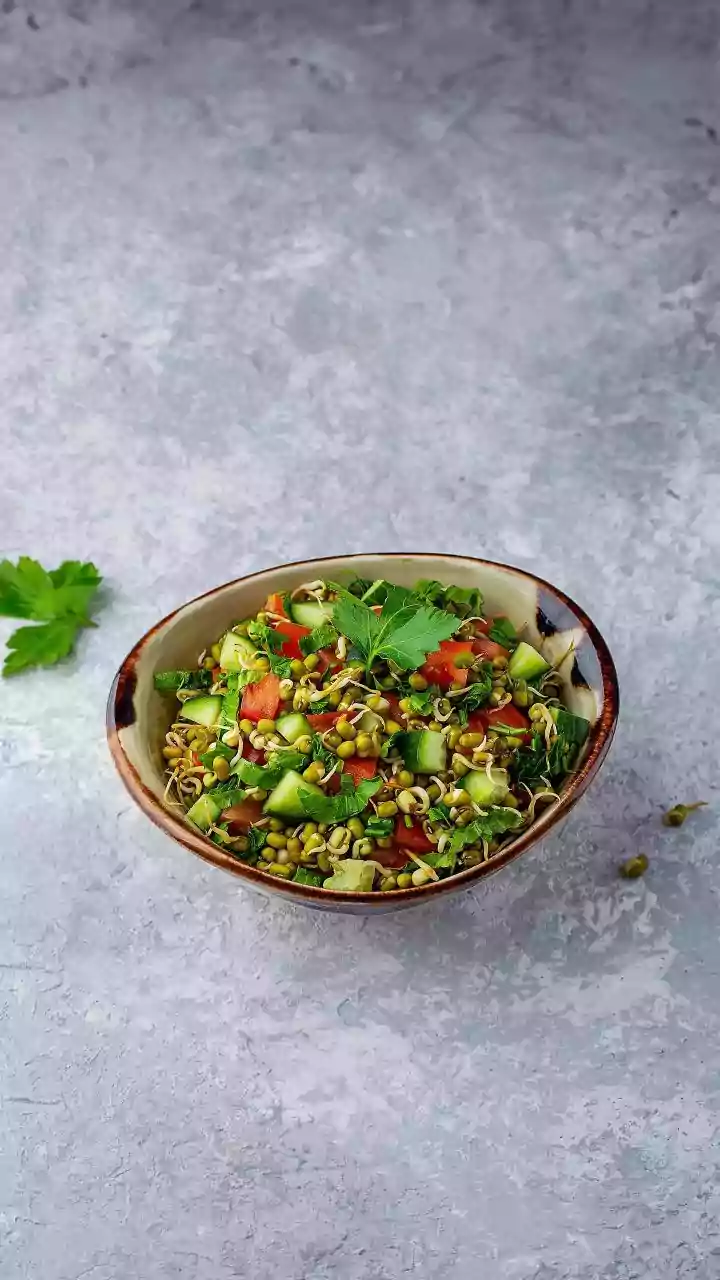
Integrating vinegar into your daily cooking is easier than you think. Start small. The next time you make a fresh kachumber salad, swap the lemon juice for a splash of white vinegar for a sharper bite. Create a quick pickle of onions (sirke wale pyaaz) with sugarcane or apple cider vinegar to serve alongside rich dals and curries. Add a tablespoon of vinegar to your chicken or mutton marinade to tenderise the meat and add a subtle tang. You can even finish a simple stir-fried vegetable dish with a dash of rice vinegar to brighten it up just before serving. The goal is to experiment, to see vinegar not as a main ingredient but as a finishing touch, a balancing act, a secret weapon to unlock that perfect 'chatpata' note you’re always chasing.