
Planetary Parade in the Evening and Morning
September is a fantastic month for planet-watching. The undeniable star of the evening is Venus, which reaches its peak brightness for the year on September 22. Look for this brilliant beacon in the southwestern sky just after sunset; its dazzling light
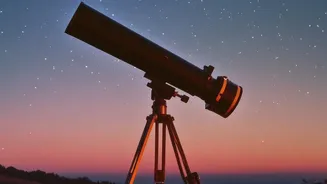
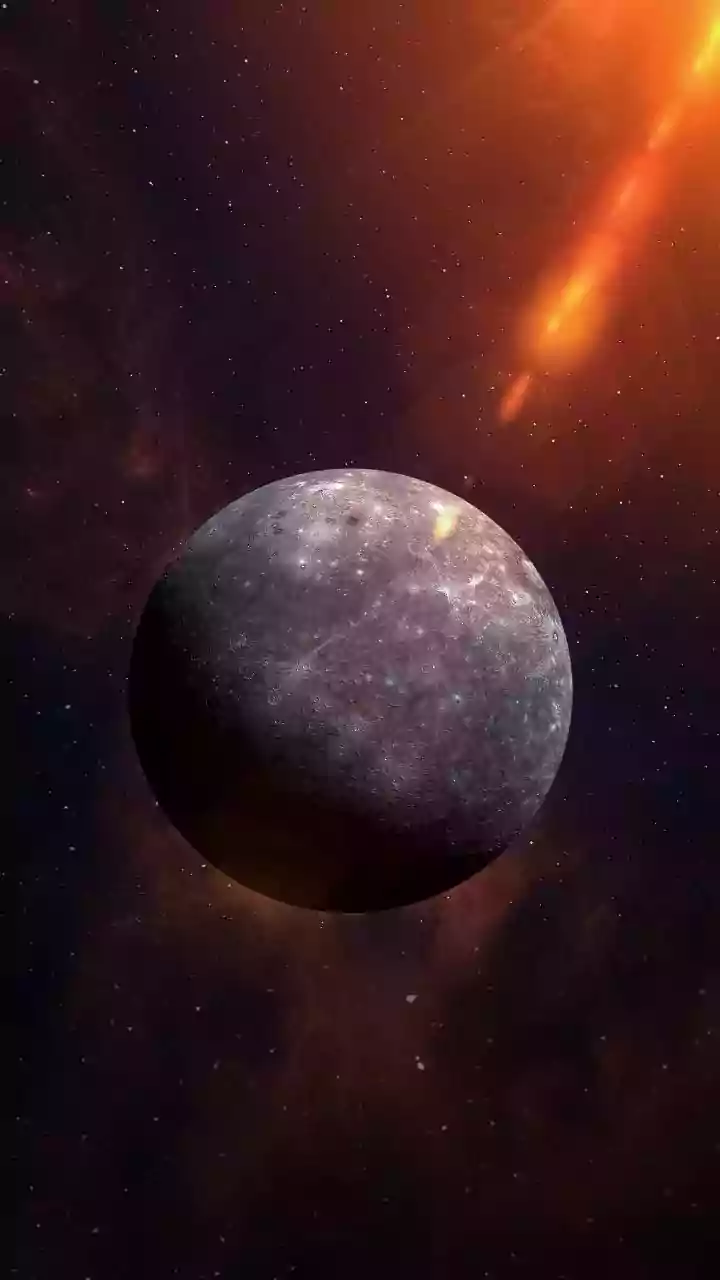
will be impossible to miss. Early in the month, on September 1, Venus has a close encounter with Spica, the brightest star in the constellation Virgo, creating a beautiful pairing of a bright planet and a blue-white star. For those willing to stay up late or wake up early, Mars makes an appearance in the predawn sky, rising in the east. The waning crescent Moon will serve as a handy guide, passing close to the red planet on September 6 and 7. While Mercury remains hidden in the Sun's glare, Saturn is visible for most of the night, putting on a great show for anyone with a telescope as it heads towards its opposition in early October.
Mark Your Calendar: The Harvest Moon
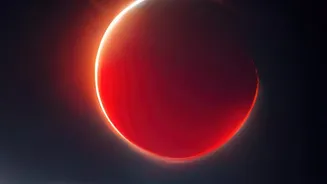
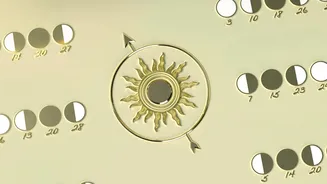
A major highlight this month is the full Harvest Moon, which will grace the sky on September 26. This is the full moon that falls closest to the autumnal equinox. It earns its name from the bright moonlight it provides for several evenings in a row around its peak, historically helping farmers gather their crops late into the night. On the same night, the distant planet Neptune reaches opposition, meaning it is directly opposite the Sun from our viewpoint on Earth. This makes it one of the best times of the year to try and spot the faint, blue-green planet, though you will need a good telescope and a very dark sky to succeed. The combination of the brilliant Harvest Moon and Neptune's opposition makes the night of the 26th a double feature for dedicated sky-watchers.
A Farewell to the Summer Milky Way
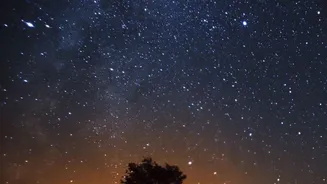
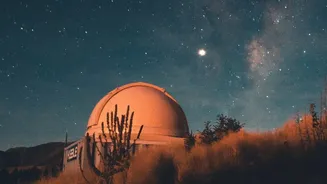
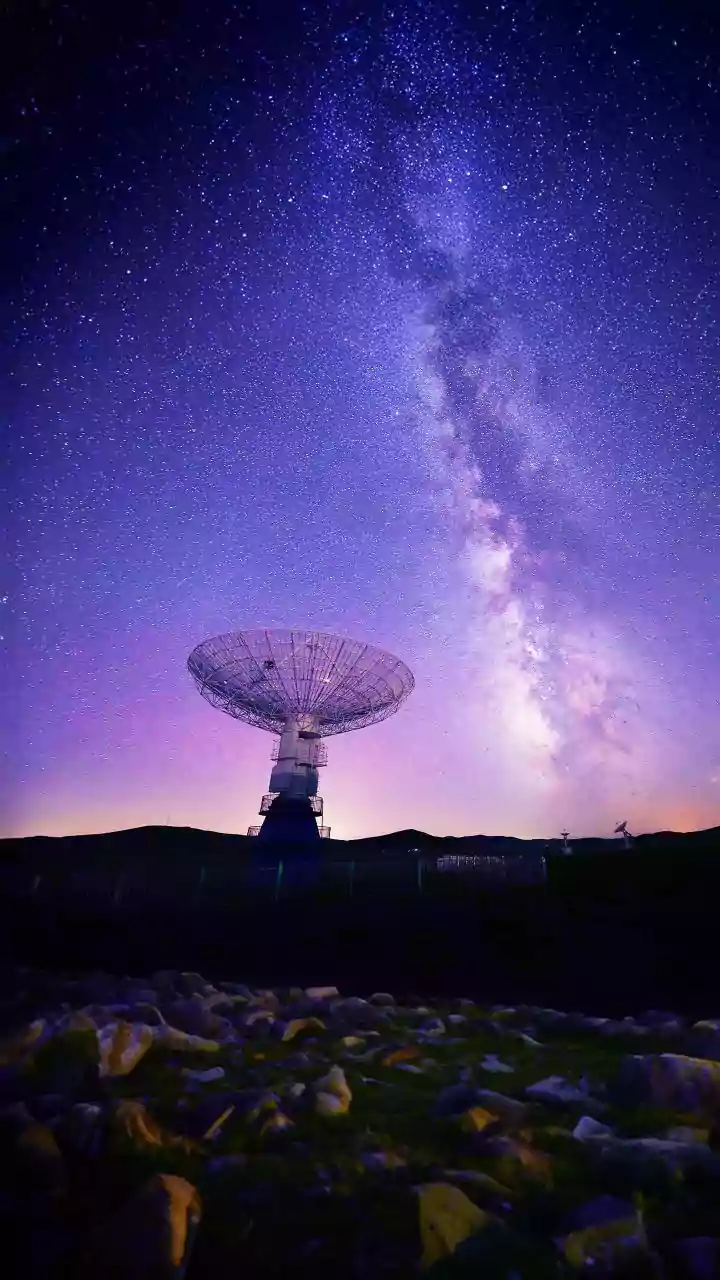
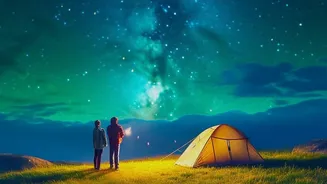
For those in areas with low light pollution, September offers one of the last best chances of the year to see the glorious core of our own galaxy, the Milky Way. The bright, dense star clouds in the constellations of Sagittarius and Scorpius are still visible in the southern sky after sunset. As the month progresses, they will sink lower towards the horizon each night, eventually disappearing from the evening sky until next year. The period just after the monsoon can provide exceptionally clear, dust-free skies, making the faint glow of the galaxy stand out in dramatic fashion. This is a fleeting opportunity to witness one of the grandest sights the night sky has to offer before the winter constellations begin to dominate.
The Autumnal Equinox and Longer Nights
While not a visual spectacle you can watch, the Autumnal Equinox is a significant astronomical milestone. On September 23, the Sun will shine directly over the Earth's equator. This event marks the official start of autumn in the Northern Hemisphere and results in a day and night of nearly equal length across the globe. For stargazers, this is welcome news. Following the equinox, the nights will grow progressively longer than the days, offering more dark hours to explore the cosmos. This celestial turning point signals a shift in the seasons and paves the way for the excellent stargazing opportunities of the post-monsoon and winter months.
Finding the 'Right Conditions' for Viewing
The headline's promise of spectacular views comes with a crucial caveat: "under the right conditions." In September, the primary challenge remains the weather. The monsoon may be retreating, but lingering clouds can still spoil a planned stargazing session. Always check local weather forecasts for clear sky predictions. The second, more persistent challenge is light pollution. To truly appreciate the stars, planets, and the Milky Way, you must get away from bright city lights. Even a short drive to a rural area, a park, or a hilltop can make a dramatic difference. Places like Hanle in Ladakh, the Spiti Valley, or even Malshej Ghat near Mumbai and Pune are known for their dark skies, especially on nights after a rainfall has washed the air clean. Once you've found your spot, give your eyes at least 15-20 minutes to fully adapt to the darkness to see the faintest stars. Using a stargazing app on your phone with a red-light mode can help you identify objects without ruining your night vision.