







NASA's Artemis Base Camp
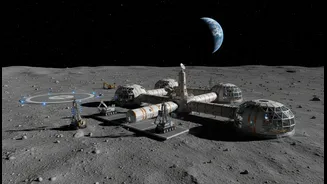
At the heart of America's renewed lunar ambition is the Artemis program, which aims not just to return humans to the Moon, but to establish a long-term, sustainable presence there. The vision is for an 'Artemis Base Camp' at the lunar south pole, a region
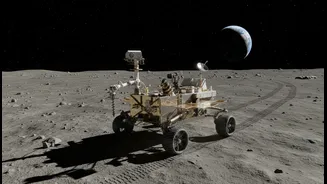
believed to be rich in water ice. This outpost would include a surface habitat, a rover for long-range exploration, and power systems capable of sustaining crews for extended stays of up to two months. This is a fundamental shift from the short visits of the Apollo era to creating a permanent stepping stone for science and future missions to Mars. The science goals are ambitious: to study lunar geology, understand the history of water in the solar system, and test technologies in the harsh lunar environment.
India Joins the Lunar Pact
This is where the story pivots to India. In June 2023, India became a signatory to the Artemis Accords, a U.S.-led set of principles for cooperation in the civil exploration of space. This was a strategic decision, moving India from a path of primarily independent space exploration to one of collaborative global engagement. By signing, India aligned itself with a framework promoting peaceful exploration, transparency, and interoperability—ensuring that its technology and protocols are compatible with those of other major spacefaring nations. The move prevents technological isolation and paves the way for deeper collaboration with NASA and other signatories, which now number over 60 countries.
Aligning Ambitions: Artemis and Chandrayaan
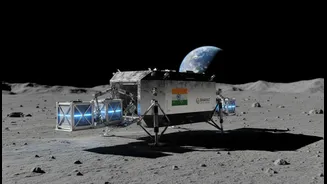
The relevance of NASA's push is amplified by how well it aligns with the Indian Space Research Organisation's (ISRO) own goals. Following the historic success of Chandrayaan-3, which made India the first nation to soft-land near the lunar south pole, ISRO has ambitious plans. The upcoming Chandrayaan-4 mission aims to perform a sample return, bringing lunar soil and rocks back to Earth for analysis. Furthermore, a joint Indo-Japanese mission, LUPEX, is planned to explore the polar regions for water ice—a resource critical to NASA’s base camp concept. This synergy is not accidental; India's participation in the Artemis framework improves prospects for joint missions and knowledge sharing that directly support its own lunar objectives.
The Tangible Benefits for India
Collaboration under the Artemis Accords offers more than just prestige; it provides concrete advantages. It opens avenues for technology exchange and access to scientific data from NASA's missions, which can provide invaluable insights for India's own Gaganyaan human spaceflight program. The experience gained from Artemis missions on long-duration spaceflight and astronaut safety is directly applicable to ISRO's goal of sending an Indian to the Moon by 2040. Furthermore, it stimulates economic growth. As NASA partners with private companies for lunar logistics, Indian space startups, which now number over 400, have an opportunity to integrate into the growing global lunar economy, projected to be worth billions.
A New Era of Space Diplomacy
India's involvement in the Artemis program is also a significant geopolitical move. By joining the U.S.-led pact, India solidifies its position as a key and responsible player in the emerging international norms for space exploration. This partnership strengthens the India-U.S. strategic relationship and provides a counter-balance to the parallel Chinese-Russian plan for a lunar research station. It signals that the future of space is not a race between two superpowers, but a collaborative effort among a diverse group of nations, with India poised to play a leading role in shaping the rules and reaping the rewards.