






The Night Shift and the Body Clock
Working through the night and sleeping during the day puts your schedule in direct conflict with your body's natural 24-hour cycle, known as the circadian rhythm. This internal clock is primarily regulated by light. When sunlight, particularly its blue
wavelengths, hits our eyes, it signals our brain that it's daytime, promoting alertness and suppressing the production of melatonin, the hormone that makes us feel sleepy. For night shift workers, this creates a significant problem. Their bodies are programmed to be awake when they need to sleep and sleepy when they need to be alert at work, leading to chronic fatigue, poor sleep quality, and increased health risks over time.
Why Post-Sunset Lighting Matters
The core idea is to create an 'artificial sunset' inside your home after your shift ends. Just as the natural sunset signals to day-active people that it's time to wind down, you can use indoor lighting to send the same message to your brain. Exposure to bright, cool-toned electric light—the kind found in many homes and especially from electronic screens—can trick your brain into thinking it's still daytime. Studies have shown that even normal room light in the hours before bed can significantly delay and shorten the duration of melatonin release, making it much harder to fall asleep and stay asleep.
Creating Your Own Artificial Sunset
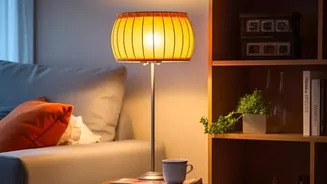
Implementing a post-sunset lighting shift doesn't have to be complicated. The goal is to reduce your exposure to bright, blue-spectrum light in the 1-2 hours before you plan to sleep. Start by swapping out standard bulbs in your bedroom and living areas with 'warm' or 'soft white' options. These bulbs emit more light on the red and amber end of the spectrum, which research shows is far less disruptive to melatonin production. In fact, some studies have found red light exposure can actually improve sleep quality. If you can, installing dimmer switches allows you to gradually lower the intensity of the light, further mimicking a natural sunset.
Smart Tech for Better Sleep
Technology can be a huge asset in managing your light exposure. Smart bulbs are an excellent investment, allowing you to program your lights to automatically shift to warmer tones and lower brightness at a specific time each morning after your shift. It’s also crucial to manage light from screens. Most smartphones, tablets, and computers have a 'night mode' or 'blue light filter' that warms the screen's colour palette. Enable this to turn on automatically in the hours before you head to bed. For an even stronger effect, some research supports wearing blue-light-blocking glasses during your commute home and until you get into bed. These orange-tinted glasses are specifically designed to filter out the disruptive blue wavelengths.
The Science-Backed Payoff
This isn't just theory; it's backed by science. A recent laboratory study found that a 'circadian-informed' lighting strategy, which uses blue-enriched light to boost alertness during the shift and blue-depleted light to prepare for sleep, helped participants get nearly an hour more sleep per day. They also reported feeling less sleepy during their work hours and showed improved vigilance. By consciously managing your light environment, you are giving your body the clear, consistent cues it needs to adjust to a night-work schedule, resulting in longer, more restorative sleep and better alertness when it counts.