





The Core Philosophy: Master the Art of Layering
The secret to multi-climate packing isn't bringing more clothes; it's bringing smarter clothes that work together. The strategy is built on a simple three-part layering system that allows you to adapt to any temperature by adding or removing items. Think
of it as your personal climate control. The first part is the base layer, which sits against your skin. Its main job is to manage moisture, keeping you dry and comfortable. A few simple t-shirts or camisoles made from breathable fabrics like cotton blends or merino wool are perfect. For the cold, add a thermal top. The second part is the mid-layer, which provides insulation. This is your warmth. Instead of a single bulky sweater, opt for a stylish fleece, a lightweight merino wool cardigan, or a thin, packable down vest. These can be worn over your base layer when it gets chilly. The final part is the outer layer or shell, which protects you from wind and rain. A lightweight, water-resistant jacket is a non-negotiable item. It should be roomy enough to fit over your other layers but pack down small. By combining these three pieces, you are ready for a surprisingly wide range of weather conditions.
Your Wardrobe's Most Valuable Players: Versatility is Key
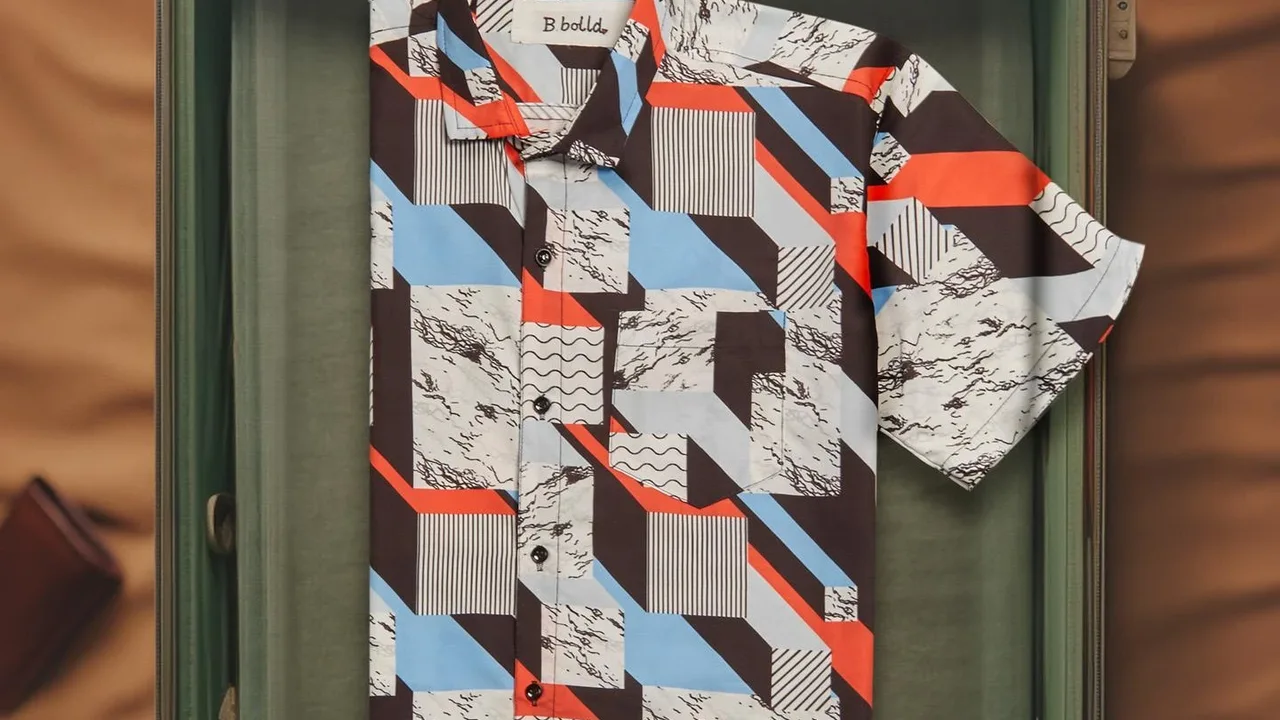
To keep your bag light, every item must earn its place by serving multiple purposes. Forget single-use outfits. Instead, build a capsule wardrobe around a neutral colour palette—like black, grey, khaki, and navy—that allows for easy mixing and matching. A pair of dark, comfortable trousers or jeans can be worn for city exploration and dressed up for a nice dinner. Convertible pants that zip off into shorts are highly functional for treks that start cool and end warm. Similarly, a button-down shirt can be worn on its own in warm weather or open over a t-shirt as a light jacket. Fabrics like merino wool are travel superstars because they are lightweight, regulate temperature, and resist odour, meaning you can wear them multiple times before washing. A large, high-quality scarf or shawl is another MVP; it can be a wrap on a cool evening, a blanket on a plane, or a head covering when needed. Simple dresses in light fabrics can be worn with sandals on the coast or with leggings and a cardigan in the mountains.
The Footwear Dilemma: Two Pairs are All You Need
Shoes are often the heaviest and bulkiest items in a suitcase, so choosing wisely is critical. For most multi-climate trips, you can get by with just two, or at most three, pairs. Your first pair should be your workhorse: comfortable, all-day walking shoes. This could be a pair of stylish sneakers or durable walking shoes that can handle city streets and light trails. Choose a neutral colour that works with all your outfits. Your second pair should address the climate extremes. For coastal or warm destinations, this might be a pair of sandals or simple flats. For colder, wetter destinations, a pair of lightweight, waterproof boots is essential. These can be worn with warm socks for extra insulation. The key is to wear your bulkiest pair of shoes—likely your boots—on the plane to save precious space and weight in your luggage. Packaway flats are also a great, space-saving option for an extra pair that can be dressed up.
Mastering the Pack: Cubes, Rolling, and Organisation
How you pack is almost as important as what you pack. Packing cubes are a traveller's best friend, transforming a chaotic suitcase into a tidy, organised space. These zippered fabric containers allow you to compartmentalise your clothing by type—one for tops, one for bottoms, one for underwear—or by climate. This not only keeps things neat but also makes it easy to find what you need without unpacking everything. For even greater efficiency, use compression cubes, which have an extra zipper to squeeze out excess air and reduce the volume of bulky items like fleece jackets. When filling your cubes, rolling your clothes instead of folding them is a proven space-saving technique that also helps minimise wrinkles. You can even use a water-resistant cube to quarantine wet swimwear or dirty laundry from your clean clothes, a simple trick that makes life on the road much easier.